

Can Roblox Age Verification become a long-term moat for investors, or will legal pressure and user friction keep weighing on the story?

What triggered Roblox Corporation’s $6.7B market cap loss?
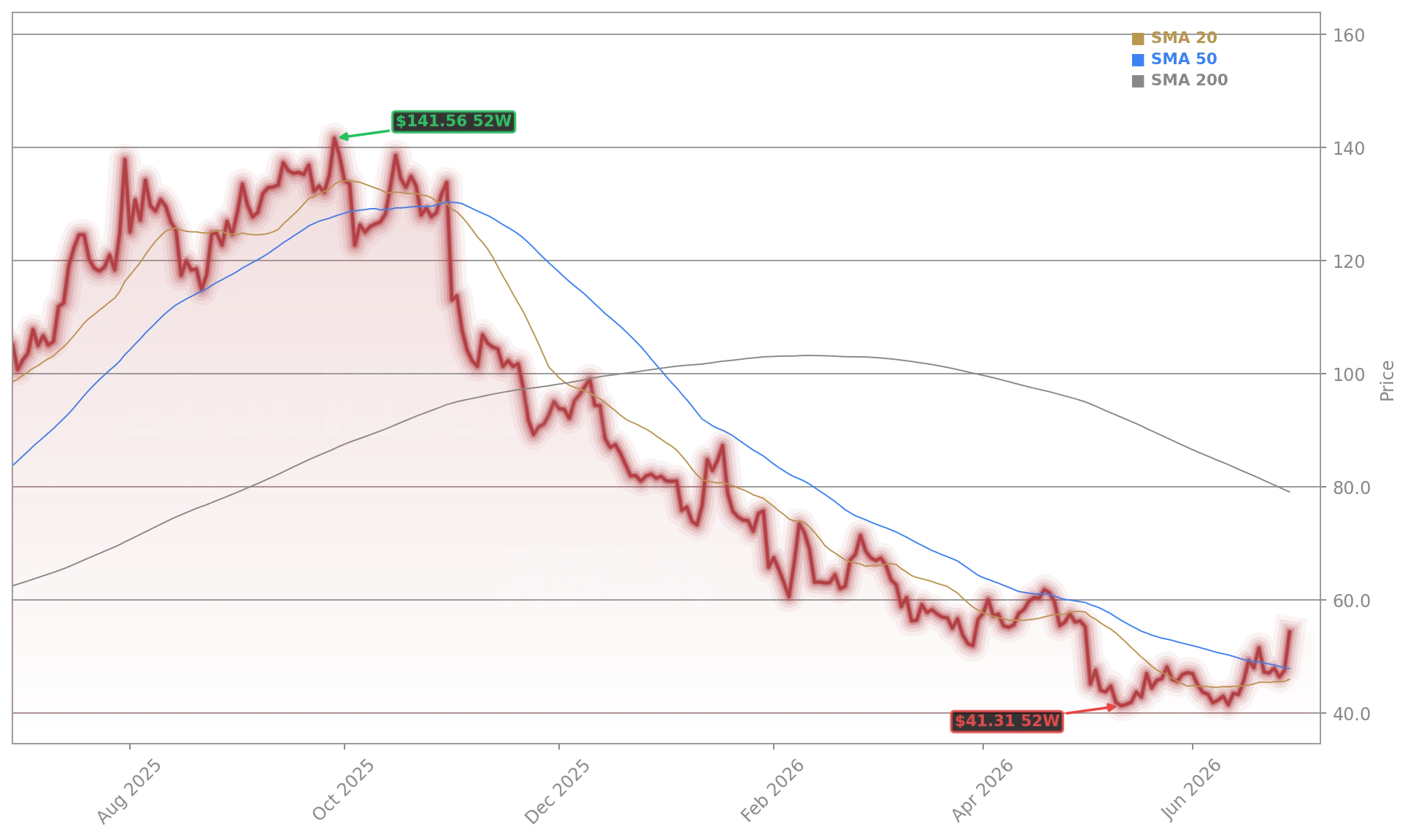
On April 30, 2026, Roblox Corporation reported Q1 2026 results that stunned Wall Street: daily active users (DAUs) decelerated sharply, bookings growth guidance was slashed from a 24% midpoint to just 10%, and the company explicitly tied the deterioration to its global Roblox Age Verification rollout. Only 51% of global DAUs had completed age checks by quarter-end, and Roblox acknowledged that “continued friction” from the system contributed to lower app store ratings and a steep drop in organic sign-ups. The next trading day, shares plunged $10.13 — an 18% collapse — erasing $6.7 billion in market value. That event triggered immediate investor backlash and launched at least six simultaneous class actions — including from Hagens Berman, Robbins Geller, and The Rosen Law Firm — all citing the same core allegation: that Roblox executives misrepresented the rollout as “gold standard” and “no friction” while knowing internally that engagement metrics were collapsing.
How are analysts reconciling the legal risk with the Buy rating?
Arete Research Services LLP upgraded Roblox Corporation to Buy from Neutral on June 29, 2026, lifting its price target from $75 to $95 — implying 75% upside from current levels. The firm argues the market overreacted to near-term friction and underestimates Roblox’s ability to refine its Roblox Age Verification infrastructure while monetizing its safety-compliant user base. This view contrasts sharply with broader Wall Street sentiment: Morgan Stanley maintains an Underweight rating, citing “unquantifiable retention risk” from ongoing verification friction, while Citigroup holds at Neutral with a $62 target, flagging “execution uncertainty” around platform trust metrics. The divergence highlights a critical split: one camp betting on long-term platform integrity, the other pricing in near-term user attrition and regulatory exposure.
Why are six law firms filing overlapping lawsuits?
Multiple firms — including Bronstein Gewirtz & Grossman, The Schall Law Firm, and Faruqi & Faruqi — have filed or announced class actions covering the identical class period: October 30, 2025, through April 30, 2026. All allege Roblox Corporation violated federal securities laws by downplaying the negative impact of Roblox Age Verification on organic growth, app store ratings, and DAU expansion. Lead plaintiff deadlines converge on August 7, 2026 — a hard deadline that could accelerate consolidation among filings. For U.S. investors holding RBLX in S&P 500 or NASDAQ Composite index funds, the litigation adds a layer of governance risk rarely priced into growth-tech names at this scale.
How does Roblox Age Verification compare to Meta and Apple’s approaches?
Unlike Meta’s opt-in parental supervision tools or Apple’s device-level age-gating, Roblox Corporation’s system requires real-time identity verification before access to certain social features — a higher-friction model that’s drawn both praise from child safety advocates and criticism from developers. While NVIDIA and Tesla face regulatory scrutiny in AI and autonomous driving, Roblox Corporation is navigating a unique convergence of privacy law, platform governance, and youth engagement economics. Its Roblox Age Verification rollout has become a de facto benchmark for how public tech firms balance safety mandates with growth imperatives — a tension now being litigated in federal court.
What’s next for Roblox Corporation on Wall Street?
We’re focused on when Roblox and its management knew of the adverse consequences of the age-check rollout and whether they intentionally misled investors.— Reed Kathrein, Hagens Berman
With Q2 2026 earnings due in late July, investors will scrutinize DAU recovery, age-check completion rates, and booking trends — especially in the U.S. and EU, where regulatory pressure is most acute. The $95 price target from Arete Research assumes Roblox Age Verification friction subsides by Q3 and monetization improves among verified users. But with six active lawsuits and no public roadmap for friction reduction, the path remains high-risk. For portfolio managers benchmarked to the NASDAQ Composite, RBLX’s volatility now reflects not just growth uncertainty but legal and regulatory optionality — a dynamic increasingly relevant across the tech sector.