
Can Super Micro contain the fallout from Taiwan’s raids, or is this the moment regulatory risk starts to overwhelm its AI growth story?

What triggered the Taiwan raids on Super Micro Computer?
Taiwanese prosecutors executed simultaneous searches at Super Micro Computer, Inc.’s Taipei office and the premises of three affiliated entities on Monday, June 29, 2026. The operation targeted alleged misuse of Super Micro’s server platforms to route U.S.-originated AI chips—including high-end NVIDIA Blackwell Ultra GPUs—into China in violation of U.S. export controls. According to Bloomberg and Yahoo Finance, investigators seized documents and hardware, including servers previously flagged in a March 2026 U.S. indictment that charged three individuals, including Liang, with smuggling $2.5 billion in restricted hardware. While Taiwan currently lacks domestic laws banning such exports, authorities confirmed the raids align with a pending legislative amendment to criminalize AI chip diversion—a direct signal of strategic alignment with Washington.
How does the Super Micro Computer Smuggling Probe impact Wall Street?
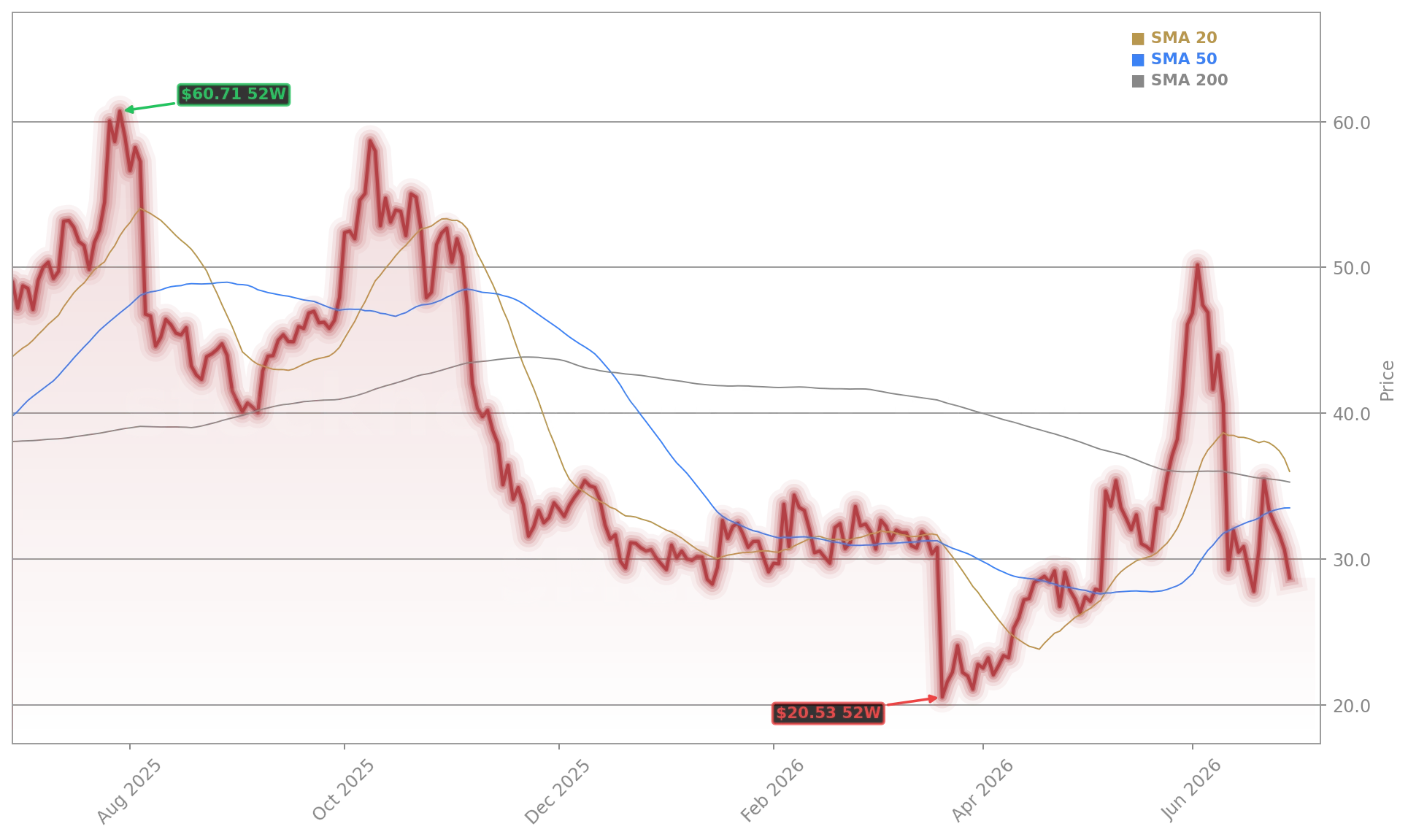
The Super Micro Computer Smuggling Probe hit Wall Street with immediate force: SMCI underperformed the S&P 500 by over 7.9 percentage points on Monday, while the index rose 1.18%. This divergence reflects deepening investor concern about regulatory risk overshadowing fundamentals—especially as Dell (NYSE: DELL) surged 242% year-to-date and Hewlett Packard Enterprise (NYSE: HPE) gained 103%, per Foreign Policy Journal. Unlike those peers, Super Micro Computer, Inc. has no direct U.S. manufacturing footprint and relies heavily on Taiwan-based assembly and logistics, making it uniquely exposed to cross-jurisdictional enforcement. With over $8.8 billion in debt and a 2026 forward P/E of just 11.8, the stock’s valuation no longer discounts growth—it discounts survivability.
What’s at stake for AI infrastructure partnerships?
Super Micro Computer, Inc. has built its AI server dominance on deep integration with NVIDIA hardware, including its recently launched NVIDIA-validated AI Factory solutions deployed with Odine in Türkiye. But the Super Micro Computer Smuggling Probe now jeopardizes that trust. If regulators determine SMCI’s servers were knowingly used as ‘conduits’ for sanctioned hardware, NVIDIA could face secondary liability—prompting a swift reevaluation of its OEM partnerships. Morgan Stanley analysts noted in a June 28 internal memo that ‘any material disruption in SMCI’s supply chain or certification status would force rapid reallocation of AI server volume to Dell and HPE.’ That shift would accelerate an existing trend: Dell crushed AI server rivals in 2026, while Super Micro Computer, Inc. posted just a 9% YTD gain despite triple-digit revenue growth.
Is the damage contained—or is this a structural inflection point?
Technical indicators confirm deteriorating investor confidence: SMCI broke decisively below its 50-day moving average on Monday and now trades $12.40 below its 52-week high of $40.97. MarketWatch reports this marks the fifth consecutive day of losses, with cumulative declines exceeding 32% over the past 12 months. While 24/7 Wall St. maintains a ‘buy’ rating citing $13 billion in Blackwell Ultra orders, it explicitly conditions that view on ‘successful resolution of the export-control review.’ With no timeline for conclusion and Taiwan’s new criminal legislation expected to pass by Q3 2026, the Super Micro Computer Smuggling Probe has shifted from a reputational overhang to a material operational and financial risk. Citigroup downgraded SMCI to ‘Neutral’ on June 29, citing ‘unquantifiable regulatory overhang’ and ‘deteriorating margin visibility.’
Related Coverage: Super Micro Computer’s recent product launch momentum was derailed by a sharp 6% sell-off—raising questions about whether Wall Street still believes in the AI infrastructure narrative, as explored in Super Micro Computer Product Launch: Why SMCI Fell 6%. Meanwhile, TSMC’s AI strategy continues gaining ground, with record margins fueling expansion and widening its competitive edge against foundry rivals, detailed in TSMC AI Strategy +1.9% as Record Margins Fuel Expansion.
Any material disruption in SMCI’s supply chain or certification status would force rapid reallocation of AI server volume to Dell and HPE.— Morgan Stanley analyst, internal memo, June 28, 2026
Super Micro Computer, Inc. faces a defining moment for its credibility and commercial viability. For U.S. investors, the Super Micro Computer Smuggling Probe is no longer a peripheral risk—it’s the dominant catalyst shaping near-term portfolio exposure to AI infrastructure. The next development will be Taiwan’s formal criminalization of AI chip exports, expected in early July. Until then, caution remains the only actionable stance.