Can UBS turn its U.S. bank charter into a real profit engine before tougher capital rules make expansion more expensive?

What’s Driving UBS US Expansion?
UBS has begun an internal pilot of full-service U.S. banking offerings for select employees—marking the first concrete step in its long-telegraphed UBS US Expansion. According to the Financial Times, the trial includes checking accounts, credit cards, and personal loans, with the goal of stress-testing pricing, technology infrastructure, and product-market fit. The bank secured its U.S. bank charter earlier this year, unlocking the ability to offer deposit and lending services beyond its traditional wealth management stronghold. Unlike legacy U.S. private banks that rely on third-party banking partners, UBS now aims to deliver an integrated financial platform—potentially boosting client stickiness, cross-sell ratios, and fee diversification. This move directly challenges Morgan Stanley’s integrated model, which posted a 29% operating margin last year versus UBS’s sub-13% U.S. margin.
How Does UBS US Expansion Impact Wall Street?
For U.S. investors, UBS US Expansion represents more than geographic growth—it’s a structural bet on convergence between wealth management and retail banking. While Goldman Sachs and JPMorgan Chase have pursued similar strategies, UBS enters with a $12.2 billion U.S. revenue base and a client base already accustomed to high-touch advisory services. Analysts at Morgan Stanley note that UBS’s ability to monetize mass-affluent clients could lift its U.S. operating margin toward 18–20% by 2028—if adoption and unit economics meet internal targets. Crucially, the expansion coincides with regulatory tailwinds: the Swiss National Bank confirmed on July 2 that UBS holds sufficient capital to satisfy new, tougher CET1 requirements—even with an estimated $20 billion incremental need—over a seven-year transition period. That capital confidence supports dividend stability and may enable strategic M&A in U.S. fintech or regional banking infrastructure.
Can UBS Compete With Morgan Stanley and Goldman?
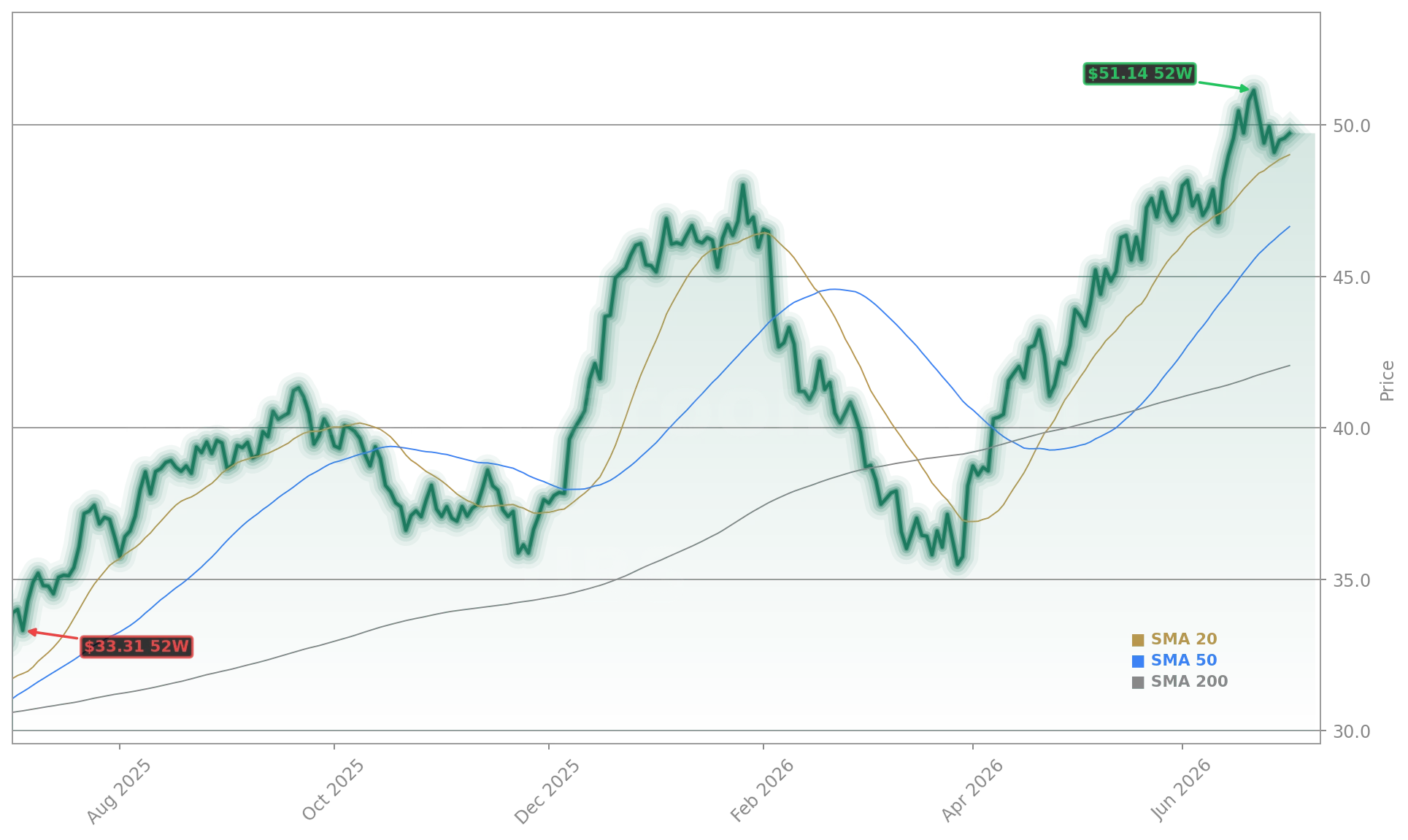
Yes—but differentiation will be decisive. Morgan Stanley dominates with scale and integrated capital markets execution; Goldman Sachs leads in digital wealth and asset management innovation. UBS’s advantage lies in its seamless cross-border wealth architecture and deep institutional client relationships—particularly among U.S.-based global families and executives. The new U.S. banking services will initially target existing wealth clients starting mid-2027, with a phased rollout that prioritizes high-margin, low-churn products like mortgages and secured lending. Citigroup analysts recently raised UBS’s price target to $32.50, citing a 25% upside from improved U.S. operating leverage and “first-mover advantage in embedded banking for wealth clients.” Notably, UBS is not targeting mainstream retail banking like Bank of America or Chase—avoiding capital-intensive branch networks and FDIC insurance costs.
What’s the Capital and Regulatory Outlook?
The Swiss National Bank’s statement removes a key overhang: UBS is not just compliant—it’s overcapitalized relative to near-term requirements. That financial flexibility allows UBS to fund UBS US Expansion organically, without dilutive equity raises or dividend cuts. Swiss Finance Minister Karin Keller-Sutter has warned that tighter Swiss capital rules could raise the cost of U.S. growth—but UBS CEO Sergio Ermotti reaffirmed that “shrinking is not an option.” With UBS’s U.S. business now representing nearly 40% of group revenue, this UBS US Expansion is no longer peripheral—it’s central to earnings trajectory. The bank’s recent issuance of Nasdaq-100 and S&P 500-linked autocallable notes (via AMUB) also signals continued appetite for structured product innovation tailored to U.S. wealth clients—further deepening its domestic footprint.
Shrinking is not an option.— Sergio Ermotti, CEO of UBS
UBS remains a pivotal player in the global wealth management consolidation story. Its U.S. banking trial is the opening act—not the finale—of a multiyear transformation. For U.S. portfolios, UBS offers exposure to both financial innovation and regulatory resilience. The next quarterly earnings will show early traction in U.S. client engagement metrics and cross-sell penetration. For long-term investors, UBS US Expansion is a catalyst worth watching—and acting on.