
If Ulta Beauty Earnings beat expectations so clearly, why did investors still send the stock sharply lower?

Did Ulta Beauty Earnings Beat Justify the Rally?
Yes — by any fundamental measure. Ulta Beauty, Inc. reported Q1 2026 net sales of $3.16 billion, up 11.1% year-over-year and $49 million above analyst estimates. Diluted EPS of $7.74 surged 15.5% and topped expectations by $0.87. Comparable sales rose 5.3%, driven by a 3.7% increase in average ticket and 1.6% higher transaction volume — evidence of broad-based strength across makeup, prestige fragrance (now 12% of revenue), and haircare. Gross margin expanded 100 basis points to 40.1%, aided by lower inventory shrink and a favorable product mix shift. The e-commerce channel posted mid-teen growth, accelerated by the launch of its first TikTok Shop livestream — a strategic win in digital engagement. Loyalty program membership reached 47 million, up 4% year-over-year, with AI-powered personalization deepening first-party data utility.
Why Did ULTA Shares Drop Despite Strong Ulta Beauty Earnings?
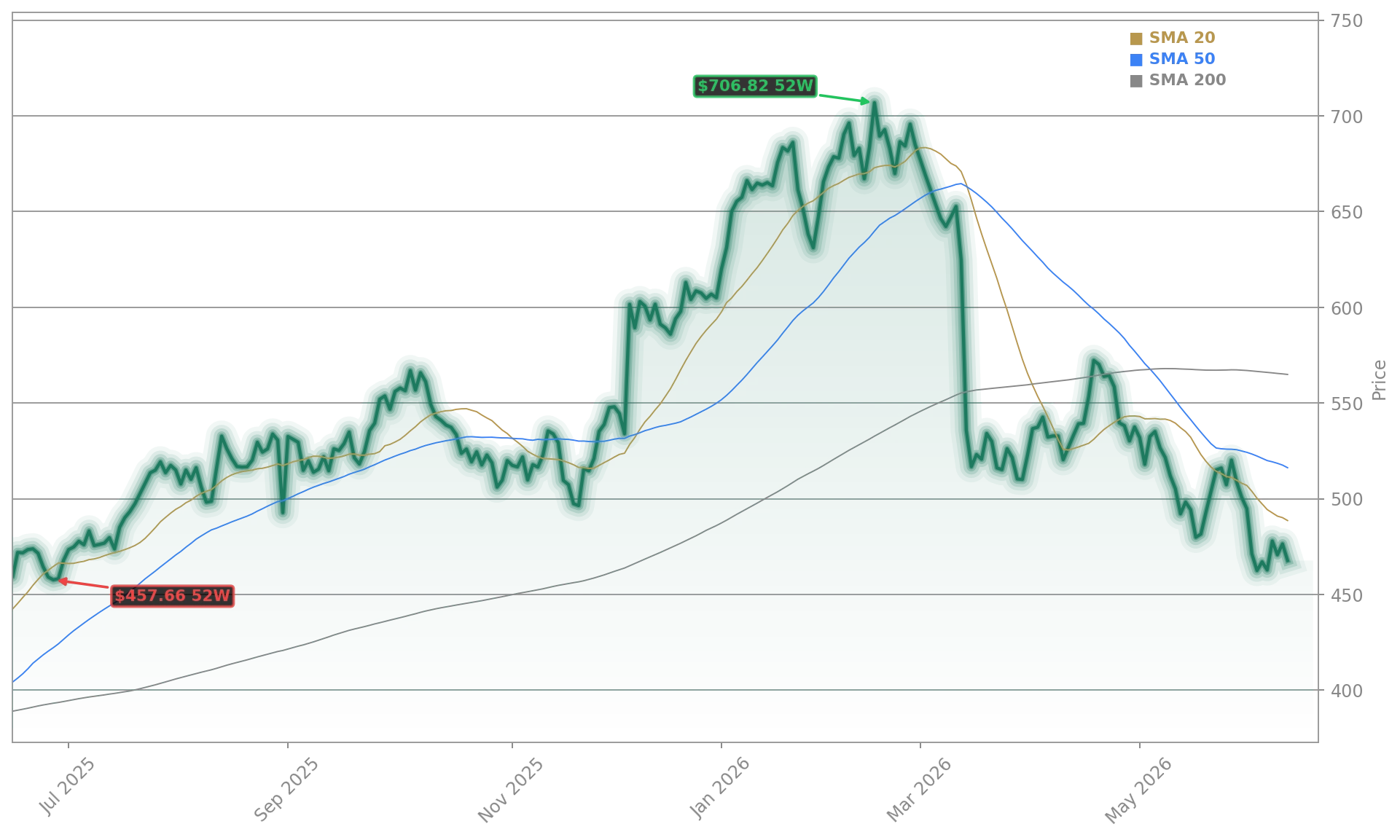
Because Wall Street is pricing in the second half — not the first quarter. Investors reacted negatively to management’s decision to raise full-year EPS guidance only modestly: from $28.05–$28.55 to $28.36–$28.80. The midpoint — $28.58 — implies just 0.9% incremental lift versus prior guidance and aligns closely with consensus. Meanwhile, sales guidance remained unchanged at 6%–7% growth, and comparable sales outlook held at 2.5%–3.5%. CFO Scott DelOrefice explicitly cited “our toughest comp comparison” entering Q2 due to outsized 2025 results and warned that “elevated fuel prices resulted in higher-than-planned transportation costs.” CEO Kecia Steelman emphasized that “consumers continue to face macroeconomic uncertainty and inflationary pressures,” making value perception — not just product appeal — central to retention. That caution resonated amid the Conference Board’s latest U.S. Consumer Confidence Index hitting an all-time low.
How Are Analysts Adjusting Their Ulta Beauty Earnings Outlook?
Downward revisions followed swiftly. Barclays lowered its price target to $647 from $712, citing “modest guidance lifts” as evidence of near-term deceleration. Morgan Stanley cut its target to $630, noting “increasing margin headwinds from freight and labor.” Goldman Sachs maintained its $652 target but revised its 2026 operating margin forecast downward, flagging fuel cost volatility as a key risk. Notably, none upgraded the rating — all reaffirmed ‘Overweight’ or ‘Neutral’ stances, underscoring consensus caution. The sell-side is now focused less on Q1’s strength and more on whether Ulta Beauty, Inc. can maintain mid-teen EPS growth while navigating a 2026 environment where discretionary spending is increasingly bifurcated: prestige fragrance thrives, but mass-market categories face pressure.
What Does This Mean for S&P 500 and NASDAQ Investors?
Ulta Beauty, Inc. is a bellwether for the consumer discretionary sector — and its Q1 performance highlights a growing divergence within the S&P 500. While tech-heavy NASDAQ stocks benefit from AI tailwinds and strong balance sheets, consumer names face rising scrutiny over pricing power and margin durability. Ulta Beauty’s 100-basis-point gross margin expansion is impressive, but SG&A rose 14.6% — reflecting investments in Space NK integration, supply chain automation, and Times Square flagship development. That capital intensity, combined with fuel-driven logistics inflation, makes Ulta Beauty Earnings a litmus test for how much investors are willing to pay for quality in a high-cost, low-confidence environment. For portfolios overweight mega-caps like Apple or NVIDIA, Ulta Beauty’s underperformance signals that consumer exposure requires selective, not broad-based, allocation.
Ulta Beauty Earnings: What’s Next for Shareholders?
Two catalysts loom: the Q2 earnings report in early September — where the company faces its toughest year-over-year comparison — and the late-2027 opening of its Times Square flagship, designed to drive brand halo and experiential engagement. Capital deployment remains aggressive: Ulta Beauty, Inc. deployed $555 million in share repurchases in Q1 and raised its full-year buyback target to $1.5 billion. With $2.4 billion in inventory — up 12.5% — and 16 new stores opened, growth infrastructure is in place. But execution must now contend with macro headwinds no amount of TikTok Shop buzz can fully offset. The next quarterly earnings will test whether Ulta Beauty’s value proposition can hold amid persistent inflation and softening demand elasticity.
Consumers continue to face macroeconomic uncertainty and inflationary measures and pressures from rising fuel prices, making value increasingly important as a consideration.— Kecia Steelman, CEO of Ulta Beauty, Inc.
Ulta Beauty Earnings confirmed operational excellence — but revealed growing investor sensitivity to external risk. For U.S. portfolios, this reinforces the need to balance consumer exposure with defensive and tech-led growth. The next quarterly earnings will show whether the trend continues. For investors seeking consistent margin expansion and shareholder returns, Ulta Beauty, Inc. remains compelling — if priced for realism, not optimism.