
Can Microsoft India Expansion turn massive AI spending into real Azure and Copilot demand before capex worries grow louder?

Why does Microsoft India Expansion matter now?
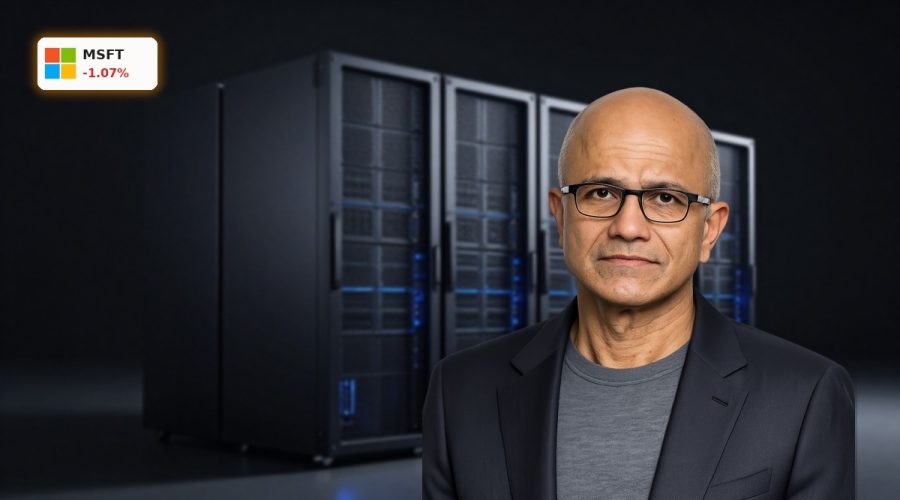
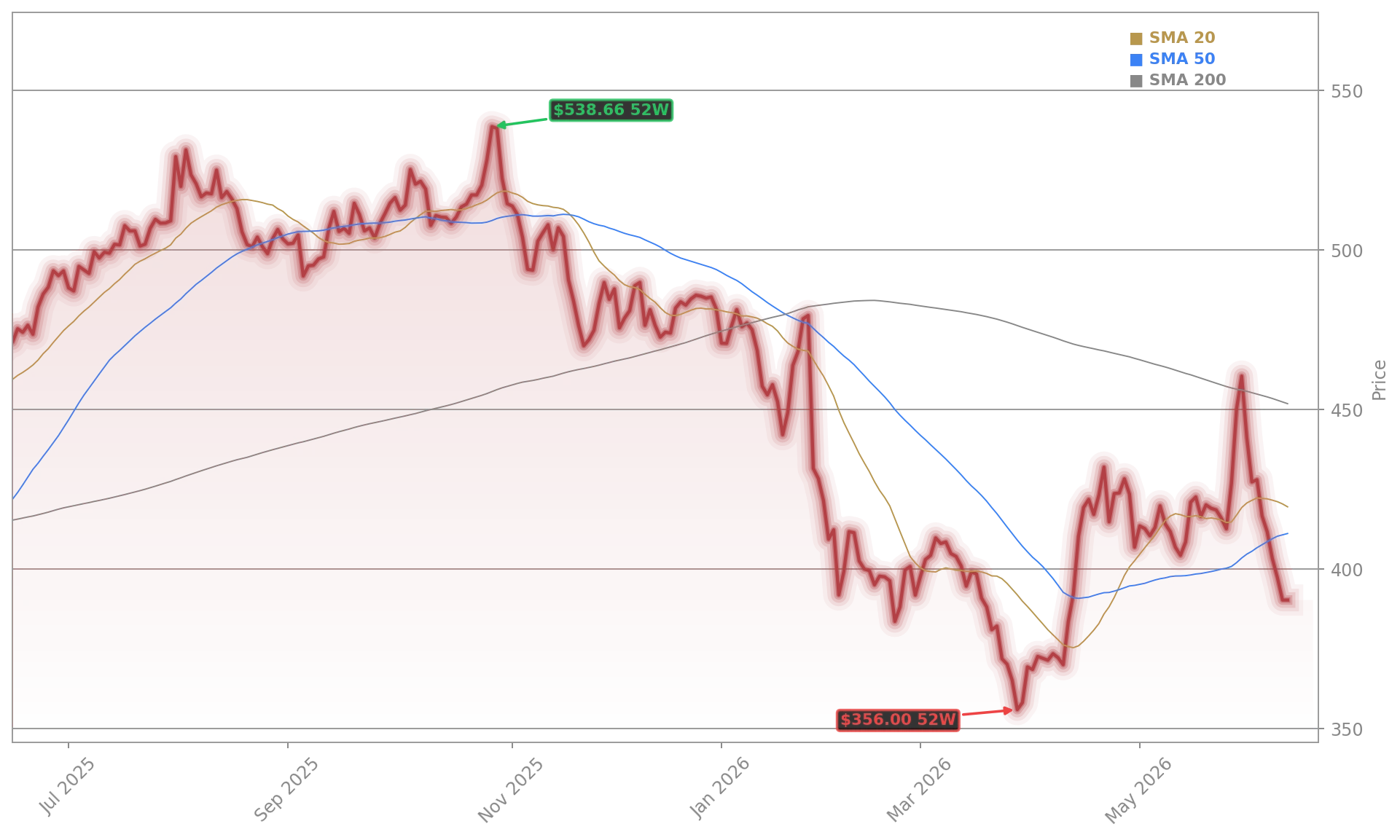
Microsoft Corporation is trading intraday at $419.04, down 1.07% from the previous close of $423.15, even as investors weigh a strategically important growth signal from India. Reuters reported that Microsoft’s largest Indian data center, located in Hyderabad, is expected to open by mid-2026. The project is part of a much broader capital push after Microsoft outlined a $17.5 billion investment plan for India late last year, on top of a separate $3 billion commitment announced earlier in 2025.
The Microsoft India Expansion story is about more than geography. It is a real-time test of whether the company’s AI infrastructure spending can turn into durable enterprise demand in a market with more than 1 billion internet users and deep engineering talent. Microsoft India and South Asia president Puneet Chandok described demand for Azure cloud services and the $30-per-month Microsoft 365 Copilot offering as “massive,” with large customers including Infosys, Cognizant, and Tata Consultancy Services each holding about 50,000 licenses.
How is Microsoft stacking up against rivals?
That demand backdrop strengthens Microsoft’s position against Alphabet and Amazon, which are also racing to expand AI infrastructure globally. India is becoming a critical proving ground because hyperscalers need both capacity and local relevance to capture enterprise AI budgets. Several AI features Microsoft is launching are being developed in India, where the company employs more than 22,000 people, underscoring that this is not just a server buildout but also a product-development hub.
The competitive angle matters for US investors because Microsoft’s cloud growth remains one of the market’s key AI benchmarks. In its latest fiscal third quarter, revenue rose 18.3% year over year to $82.89 billion, EPS reached $4.27, Azure grew 40%, and the company’s AI business passed a $37 billion annual revenue run rate, up 123%. Those results have helped keep Microsoft in the center of the enterprise AI trade alongside NVIDIA, even though its share price remains well below the reported 52-week high of $552.24.
Can Microsoft India Expansion justify capex fears?
That remains the central investor debate. Microsoft’s capital expenditures reached $30.88 billion in the latest quarter, up 84% from a year earlier, and some investors worry spending is outrunning monetization. Seeking Alpha framed the company as a dual-engine story: a highly profitable enterprise software franchise paired with a capital-intensive AI and cloud buildout that still needs to prove margin durability.
Still, Wall Street sentiment remains constructive. MarketBeat noted Microsoft continues to carry a “Moderate Buy” consensus, with an average target near $560.88. While those reports did not attribute the target to firms such as Citigroup or RBC Capital Markets specifically, the broad analyst view remains that Azure, Copilot, and contracted backlog support upside if execution holds. Yahoo Finance also highlighted Microsoft among software leaders seen as better positioned to absorb AI disruption thanks to data depth, compliance strength, and embedded enterprise workflows.
What should investors watch next for Microsoft?
The next catalyst is whether Microsoft India Expansion begins translating into visible customer wins, cloud usage growth, and eventually operating leverage. Talent competition is intense in India, and management acknowledged a war for skilled AI workers, but that challenge also reflects how quickly demand is forming. If Microsoft can pair local product development with data center capacity, it could deepen its moat versus Apple and other big-tech peers that are less exposed to enterprise cloud infrastructure.
Related Coverage: Investors following the capex debate should also read Microsoft Earnings Record: Is the AI Capex Boom a Warning Sign?. That analysis looks closely at whether Microsoft’s powerful earnings momentum is enough to offset concern about the scale of AI spending, a question that now ties directly into the Microsoft India Expansion narrative.
Microsoft India Expansion gives investors a concrete sign that the company is turning AI capex into global operating capacity, not just promises. If Azure demand in India keeps scaling and Copilot adoption broadens, Microsoft may strengthen its case as one of Wall Street’s most durable AI platforms. The next few quarters should show whether this buildout becomes a major growth engine for long-term shareholders.
We are the ones who are bringing this to life quickly, the fastest out of the gates.— Puneet Chandok
Fazit folgt.