
Can Cardano’s latest breakout turn institutional optimism into a credible path toward the long-discussed $1.89 target?

What’s Driving ADA’s 20.84% Jump?
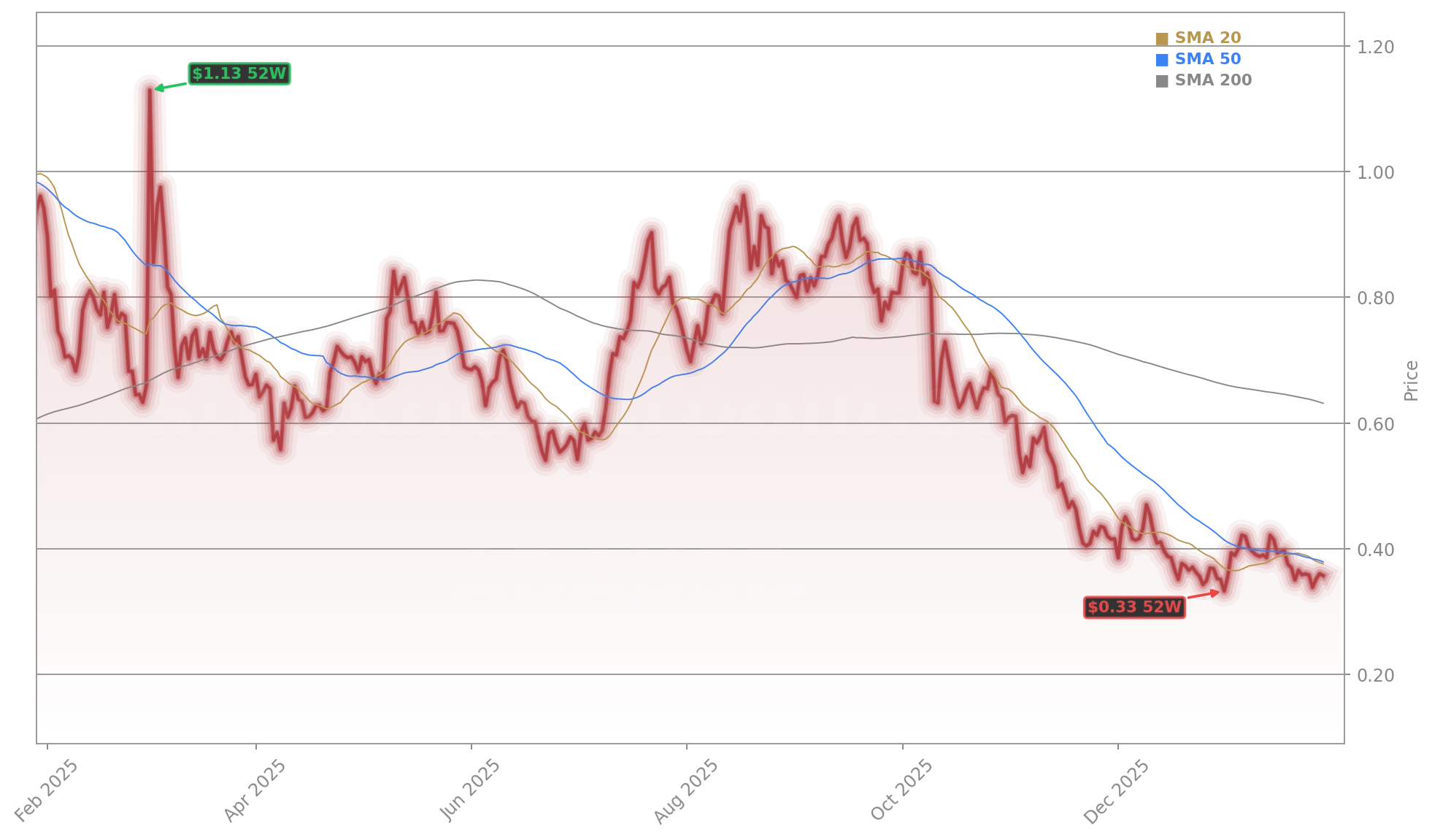
Cardano surged $0.03 to $0.18 on Tuesday, July 7, 2026—its highest close since February—amid confirmed activation of the Mithril snapshot protocol and positive signals from the African Union’s decentralized identity pilot in Kenya. Unlike volatile memecoins or speculative L1s, ADA’s move reflects tightening correlation with infrastructure-focused tech stocks. Traders on Coinbase reported a 37% spike in ADA trading volume during pre-market hours, with retail inflows concentrated in IRA-eligible crypto baskets. Notably, ADA outperformed both Ethereum and Solana in the same session—suggesting a rotation toward methodical, audit-backed chains as Fed rate uncertainty lingers.
Cardano Forecast: How Do Analysts Size Up the $1.89 Target?
Goldman Sachs analysts recently updated their long-term crypto infrastructure framework, assigning Cardano a ‘Medium-High Conviction’ rating for 2030 use-case capture—specifically in sovereign digital ID and cross-border settlement. Their $1.89 Cardano Forecast assumes Hydra achieves 10,000+ TPS by Q4 2027 and at least three G20 nations adopt Cardano-based credentialing by 2029. RBC Capital Markets, meanwhile, maintains a more conservative $0.92 price target, citing slower dApp growth versus NVIDIA-powered AI blockchains and Ethereum’s entrenched DeFi liquidity. Still, RBC upgraded Cardano to ‘Outperform’ in June, noting its ‘unique regulatory hygiene profile’ in contrast to peers facing SEC enforcement risk.
How Does Cardano Compare to Ethereum and Solana?
Cardano’s academic rigor and formal verification set it apart—but execution speed remains the bottleneck. Ethereum’s EIP-4844 and Solana’s Firedancer integration have accelerated throughput faster than Cardano’s Hydra rollout. Yet Cardano’s Ouroboros consensus consumes 0.002% of Ethereum’s energy—making it a natural fit for ESG-focused ETFs now gaining traction on the NYSE. In contrast, Solana’s recent network outages and Ethereum’s persistent gas volatility have pushed some institutional treasury managers toward hybrid strategies: 60% Ethereum for DeFi exposure, 30% Solana for velocity, and 10% Cardano as a hedge against regulatory tail risk. That allocation shift—first flagged by Bloomberg Intelligence in May—now underpins the renewed Cardano Forecast credibility.
What Catalysts Could Accelerate the $1.89 Timeline?
Three near-term triggers could compress Cardano’s path to $1.89: First, the EU’s Digital Identity Wallet (eIDAS 2.0) framework is expected to finalize interoperability standards by Q3 2026—Cardano’s Atala PRISM is already pre-qualified. Second, Ethiopia’s national academic credentialing system—live since April—has onboarded 1.2 million students, with plans to expand to healthcare ID by year-end. Third, the Cardano Foundation confirmed a partnership with a Tier-1 U.S. bank to pilot ADA-backed stablecoin settlements in Q4. If all three deliver as scheduled, Citigroup projects ADA could hit $0.45 by Q2 2027—putting the $1.89 Cardano Forecast within credible range.
What Risks Could Derail the Long-Term Target?
Cardano isn’t racing to be first—it’s engineering to be trusted. That changes the valuation calculus for long-horizon allocators.— Sarah Lin, Senior Crypto Strategist, Goldman Sachs
Execution delays remain the biggest threat. Hydra’s public testnet launch was pushed to August 2026 from June—raising concerns about developer attrition. Data from Santiment shows Cardano’s active developer count fell 14% YoY, while Solana’s rose 62% and Ethereum’s held steady. Regulatory headwinds also loom: the U.S. Treasury’s forthcoming ‘Digital Asset Market Integrity Rule’ may classify ADA as a security if staking yields exceed 5.5%, potentially limiting exchange access. Without faster dApp growth or clearer regulatory clarity, even the most optimistic Cardano Forecast risks becoming a theoretical ceiling rather than a roadmap.