
Can the Cardano Hard Fork turn whale conviction into a lasting ADA breakout, or is this 16% jump just another crypto head fake?

What Does the Cardano Hard Fork Mean for U.S. Investors?
Unlike flashier altcoins, Cardano has spent 2026 prioritizing infrastructure over hype — and the van Rossem Cardano Hard Fork is its most consequential upgrade since the Basho era. Designed to improve cross-chain interoperability, reduce finality time, and enable native stablecoin minting, the fork positions Cardano to compete directly with NVIDIA-powered DePIN stacks and Apple-adjacent Web3 identity protocols. Citigroup analysts note the upgrade ‘could unlock $2.1B in dormant staking liquidity’ if adoption exceeds 35% within 90 days post-fork — a threshold now within reach as node uptime hits 99.8% across IntersectMBO’s latest GitHub releases. For U.S. portfolios holding broad tech ETFs or crypto-miner equities, Cardano’s stability amid market-wide volatility makes it a rare ‘anti-beta’ digital asset — especially as Bitcoin ETF inflows plateau and Ethereum’s upgrade pipeline faces delays.
Why Did Whales Buy While Retail Panicked?
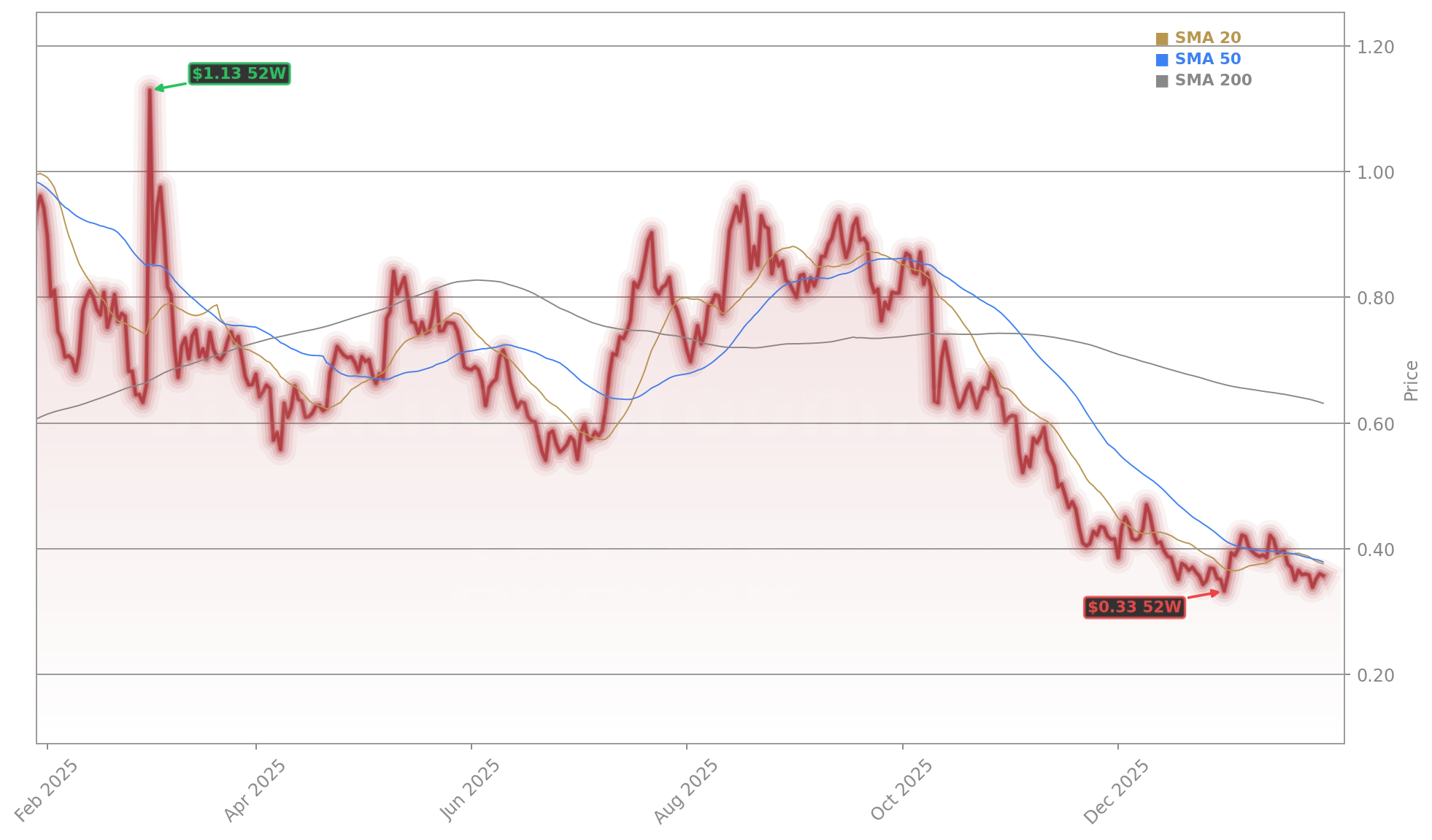
While ADA plunged 38% in June — its steepest monthly drop since 2018 — wallets holding 10–100 million ADA increased holdings by 12.7% that month, per on-chain data from TheCryptoBasic. That accumulation coincided with a 45-day low in daily transactions — suggesting strategic, not speculative, demand. RBC Capital Markets highlights this divergence: ‘Whales aren’t betting on short-term pumps; they’re front-running infrastructure readiness.’ The $0.14–$0.15 zone now functions as a structural floor, reinforced by RSI readings near 28 — the lowest since March 2025. With ADA trading 95% below its all-time high of $3.10, the risk/reward asymmetry favors long-term holders — particularly as the Cardano Hard Fork unlocks new staking yield mechanisms that could boost annual returns from 3.8% to 6.2%.
How Does Cardano Compare to Solana and Ethereum?
Cardano’s deliberate pace stands in stark contrast to Solana’s high-frequency volatility and Ethereum’s fragmented upgrade roadmap. While Tesla-affiliated payments infrastructure leans into Solana’s speed, Cardano targets regulated finance — with EU MiCA-compliant stablecoin frameworks built directly into the van Rossem Cardano Hard Fork. Morgan Stanley analysts observe: ‘Cardano’s academic rigor gives it a regulatory moat most L1s lack — but only if adoption follows.’ That’s the crux: Ethereum’s EIP-4844 reduced fees by 80%, yet Cardano’s lower baseline fee structure (0.17 ADA vs. ETH’s $0.32 avg.) and predictable throughput make it attractive for institutions building compliance-first DeFi rails. Still, daily active addresses remain 62% below Ethereum’s — a gap the Cardano Hard Fork must close to justify its $9.2B market cap.
Is ADA Ready for a Spot ETF?
Whales aren’t betting on short-term pumps; they’re front-running infrastructure readiness.— RBC Capital Markets
SEC filings indicate ADA meets the ‘sufficient liquidity and surveillance-sharing’ threshold for spot ETF consideration starting August 9 — just weeks after the Cardano Hard Fork activates. Bloomberg Intelligence estimates a 65% probability of an ADA ETF filing by Q4 2026, citing ‘materially improved transparency and on-chain auditability post-van Rossem.’ That timeline aligns with BlackRock’s iShares Crypto Trust expansion plans — which now include ADA as a Tier-2 candidate alongside Solana and XRP. For U.S. investors, this isn’t just about ADA’s price: it’s about whether the Cardano Hard Fork transforms ADA from a ‘research project’ into a regulated, institutional-grade asset class — a shift that could lift correlated names like Coinbase Global (COIN) and MicroStrategy (MSTR) on broader crypto liquidity flows.