
Can the Cardano Hard Fork turn whale accumulation into a real ADA comeback, or is this just another crypto head fake?

Why Are Whales Buying ADA Amid Collapse?
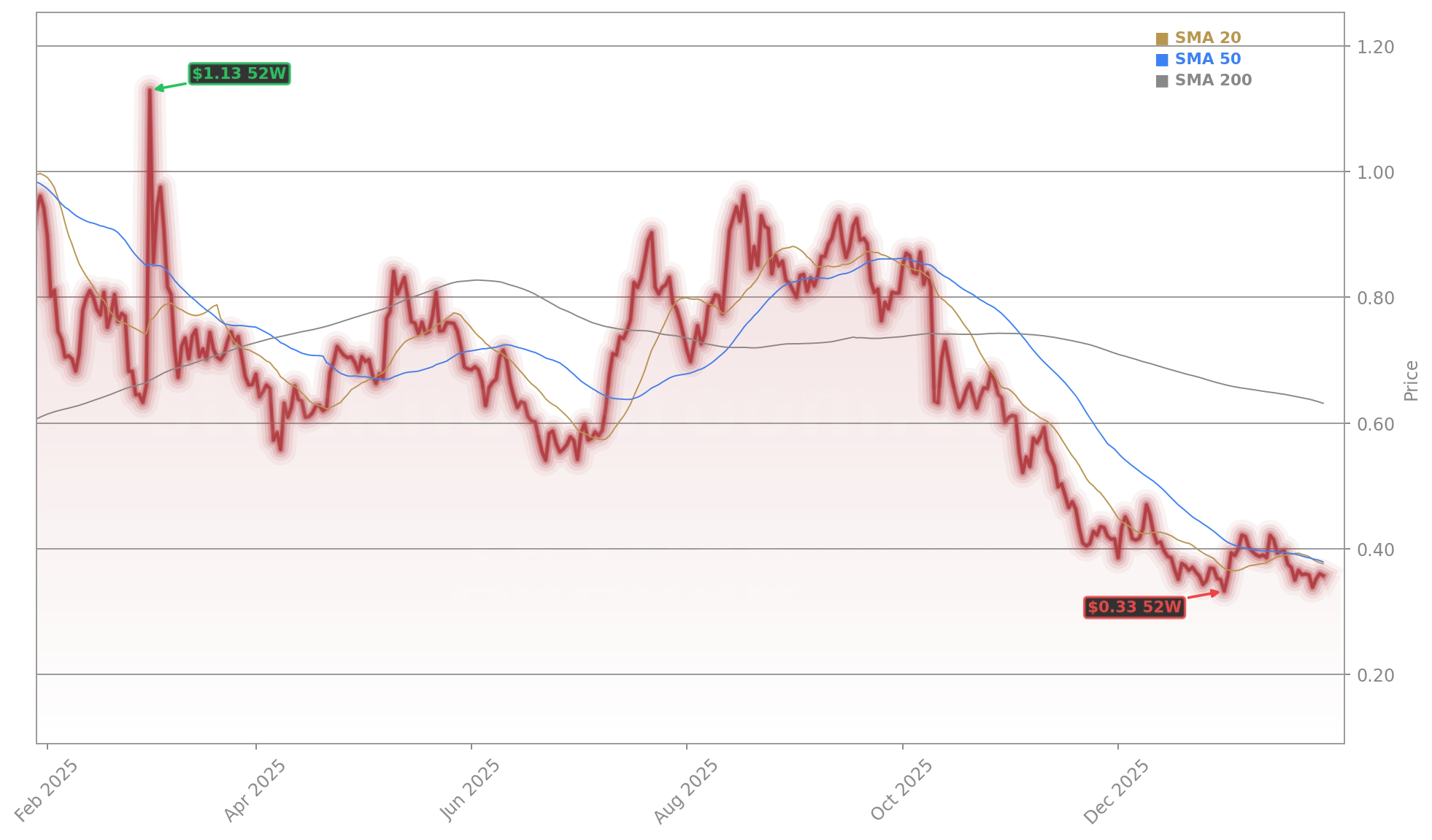
Cardano (ADA) plunged 38% in June — its worst monthly performance since 2018 — yet wallets holding 10–100 million ADA increased holdings significantly, according to on-chain analytics cited by TheCryptoBasic. This accumulation occurred while daily transactions fell to their lowest level in 45 days, signaling selective, institutional-grade buying rather than broad-based participation. The $0.17 price reflects a 95% discount to ADA’s all-time high of $3.10, yet the RSI remains deeply oversold — near 32 — reinforcing potential bottoming behavior. Analysts at Citigroup note that such concentrated buying during capitulation phases has historically preceded 30–50% rallies within 60 days when paired with a major protocol catalyst — precisely what the Cardano Hard Fork represents.
What Does the Cardano Hard Fork Actually Change?
The van Rossem Hard Fork — scheduled for mid-July across multiple possible activation windows — introduces parallel transaction processing, enhanced smart contract validation, and tighter interoperability hooks for cross-chain bridges. Unlike earlier upgrades, this iteration prioritizes execution speed over theoretical architecture, directly addressing long-standing criticisms about ADA’s sluggish throughput. IntersectMBO’s GitHub repository shows 12 node releases in Q2 2026 alone — all contributing to the fork’s stability. RBC Capital Markets emphasizes that successful execution could lift ADA’s average transaction throughput from 25 to over 120 TPS, narrowing the gap with Solana and Ethereum L2s. That matters for Wall Street investors watching how blockchain infrastructure plays into broader tech exposure — especially as NVIDIA’s AI chip dominance intersects with decentralized compute demand.
How Does ADA Compare to Broader Market Catalysts?
While ADA trades quietly, the S&P 500 and NASDAQ have surged on AI optimism — a sector where Cardano’s academic rigor and formal verification stand apart from hype-driven narratives. Yet ADA’s market cap remains stuck below $6 billion, ranking it outside the top 15 cryptocurrencies by valuation. That’s a stark contrast to peers: Solana (SOL) trades above $150 billion, Ethereum (ETH) near $450 billion. Goldman Sachs analysts recently downgraded ADA’s near-term price target to $0.24 from $0.32, citing “low liquidity velocity and weak fee accrual relative to peers.” Still, they affirm its “unique position in verifiable DeFi infrastructure” — a niche increasingly relevant as regulators scrutinize smart contract risk across crypto platforms.
Is ADA Positioning for a Spot ETF?
Yes — but not yet. Starting August 9, ADA becomes eligible for spot ETF application under new SEC guidance, provided the van Rossem Hard Fork completes successfully and network stability metrics hold for 30 consecutive days. Bloomberg Intelligence estimates a 40% probability of an ADA ETF filing by Q4 2026 — contingent on post-fork on-chain activity rebounding above 200,000 daily transactions. That’s double the current level. For U.S. investors, ADA’s ETF path remains narrower than Bitcoin or Ethereum — but the Cardano Hard Fork is the essential gatekeeper. Without it, ADA stays sidelined in institutional portfolios. With it, ADA could become the first academic-first blockchain to achieve regulated U.S. equity-like access.
What’s Next for ADA After the Fork?
The van Rossem Hard Fork isn’t just another upgrade — it’s ADA’s first real test of whether academic rigor can translate into measurable network demand.— Samuel Rae, News Desk Editor
Post-fork, all eyes turn to adoption velocity — not just developer commits. Key metrics include smart contract deployments, stablecoin volume on Cardano-native chains, and cross-chain bridge inflows. Analysts at Morgan Stanley warn that “code upgrades don’t move markets — usage does.” Their base case projects ADA stabilizing between $0.24 and $0.30 in July, assuming no fork delays or critical bugs. A clean rollout, however, could trigger a re-rating — especially if early DeFi protocols like SundaeSwap or Minswap report >30% transaction growth within two weeks. That would position ADA as a genuine infrastructure play in the AI-compute stack — not just a speculative token.