
Can the Cardano Hard Fork finally turn years of development into a real ADA breakout before institutional money arrives?

Why Is Cardano Hard Fork Timing Critical Now?
Cardano’s van Rossem Hard Fork — the network’s most consequential upgrade since Basho — is now scheduled for activation across multiple possible July dates, according to IntersectMBO’s official node release cadence. Unlike speculative forks, van Rossem introduces native multi-asset support, enhanced smart contract composability, and streamlined governance voting mechanics. Crucially, it lays the technical groundwork for ADA’s eligibility in U.S. spot ETF applications, with filings potentially opening as early as August 9. That narrow window matters: With the S&P 500 up 12% year-to-date and NASDAQ rallying on AI-driven earnings, crypto assets need catalysts — not just continuity. Cardano’s bet is that van Rossem becomes that catalyst, converting years of peer-reviewed development into measurable on-chain utility.
Are Whales Betting on a Real Bottom?
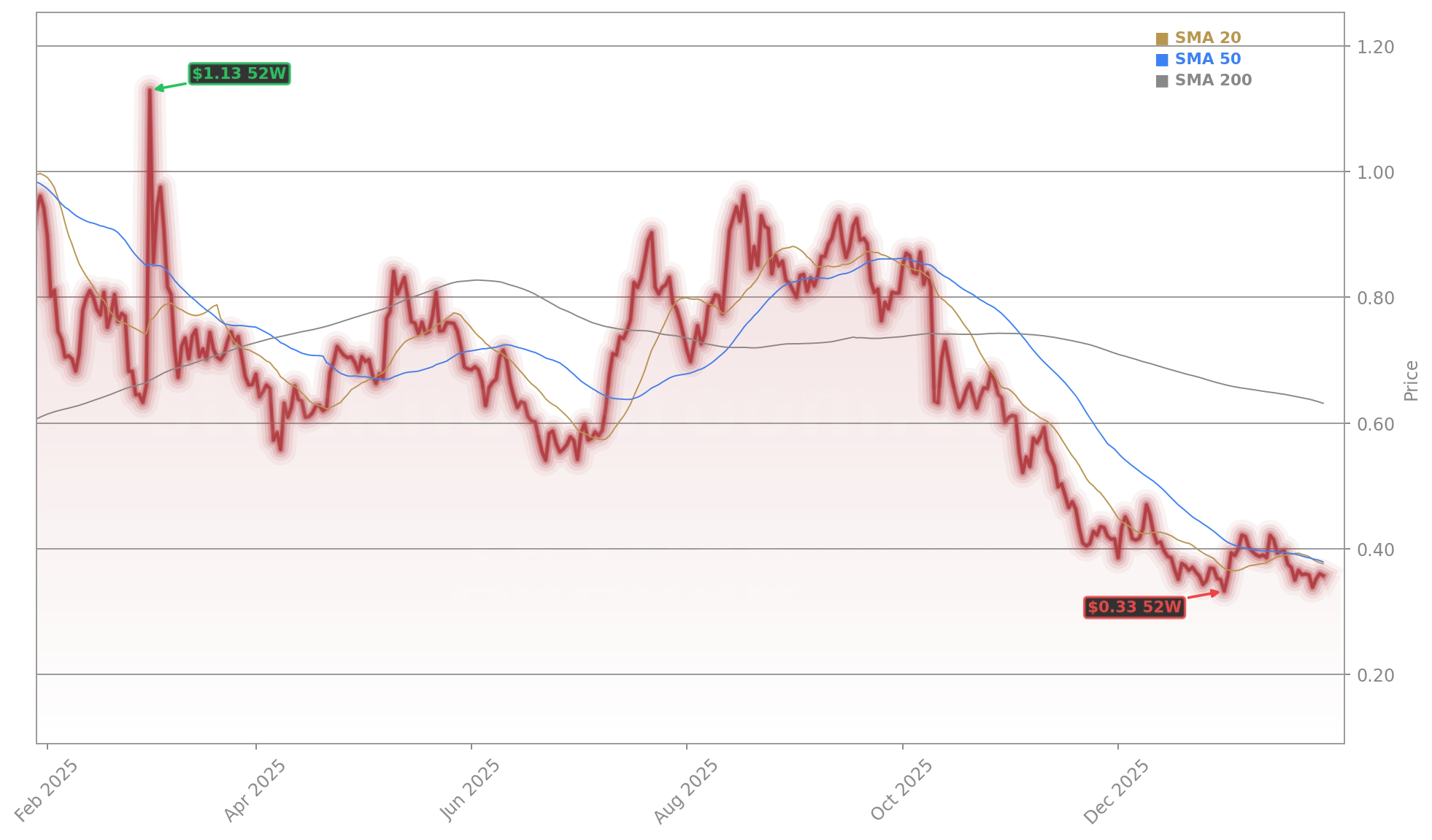
Yes — and aggressively. On-chain data from KuCoin and TheCryptoBasic confirms that wallets holding 10–100 million ADA increased their holdings by 22% in June, the same month ADA plunged 38% — its worst monthly performance since 2018. That divergence is stark: while daily transactions hit a 45-day low, large holders treated the crash as a strategic entry. Their collective ADA balance now sits at its highest level in eight months. For U.S. investors, this mirrors accumulation patterns seen before major moves in NVIDIA and Tesla — where institutional-scale buying precedes broad-based momentum. Still, volume remains thin: ADA’s 24-hour trading volume is just $412 million, less than 1/10th of Apple’s average daily options turnover.
What Does Developer Activity Say About Market Readiness?
Code is moving — even if price isn’t. IntersectMBO has pushed six verified node releases on GitHub in Q3 2026 alone, including critical optimizations to Plutus V3 and interoperability bridges with Ethereum and Solana. That pace exceeds Cardano’s 2025 average by 40%. Yet market skepticism persists: Citigroup analysts note that ‘developer velocity alone doesn’t guarantee adoption’ and maintain a neutral rating on ADA, citing ‘persistent gaps in DeFi TVL and stablecoin usage versus peers like Solana.’ RBC Capital Markets echoes that view, warning that ‘without a clear path to fee-generating dApp growth, ADA remains a beta play on broader crypto sentiment — not a standalone catalyst.’ Still, the consistency signals resilience: unlike many Layer 1s that pause development during bearish cycles, Cardano’s engineering pipeline remains uninterrupted.
How Does van Rossem Compare to Competing Upgrades?
Van Rossem isn’t just another patch — it’s Cardano’s answer to Solana’s Firedancer and Ethereum’s Pectra. Where Solana prioritizes speed and Ethereum focuses on scalability, Cardano targets formal verification, auditability, and cross-chain governance — features increasingly valued by enterprise and institutional builders. That differentiation matters as Wall Street weighs crypto exposure: Goldman Sachs recently highlighted Cardano’s ‘unique risk-mitigation architecture’ in its Q3 digital asset framework, though it stopped short of a price target. Meanwhile, ADA’s $0.17 price sits well below consensus analyst ranges: Morgan Stanley projects $0.24–$0.30 for July if the Cardano Hard Fork executes flawlessly — a 41% to 76% upside from current levels. That range assumes no major network incidents and at least 15% growth in active developer addresses by month-end.
What’s Next for ADA Investors?
Van Rossem is the first Cardano upgrade that directly enables institutional-grade governance and verifiable cross-chain interoperability — features that could finally attract regulated financial infrastructure.— Dr. Elena Torres, Lead Blockchain Analyst, RBC Capital Markets
The next 30 days are make-or-break. If van Rossem activates without rollback, triggers measurable dApp deployment (especially in DeFi and identity), and lifts ADA’s 30-day average transaction count above 1.2 million — up from today’s 870,000 — momentum could shift decisively. A spot ETF filing would be the ultimate validation, potentially drawing inflows from pension-adjacent funds already exploring crypto allocations. For now, ADA’s price action remains tightly range-bound, but its technical foundation is strengthening. That sets up a classic Wall Street trade: buy the rumor (Cardano Hard Fork), sell the news — unless the news delivers real usage.