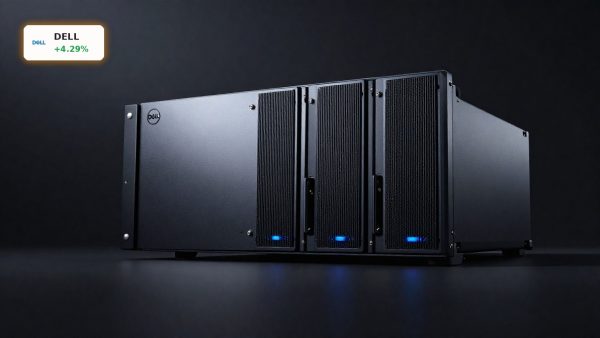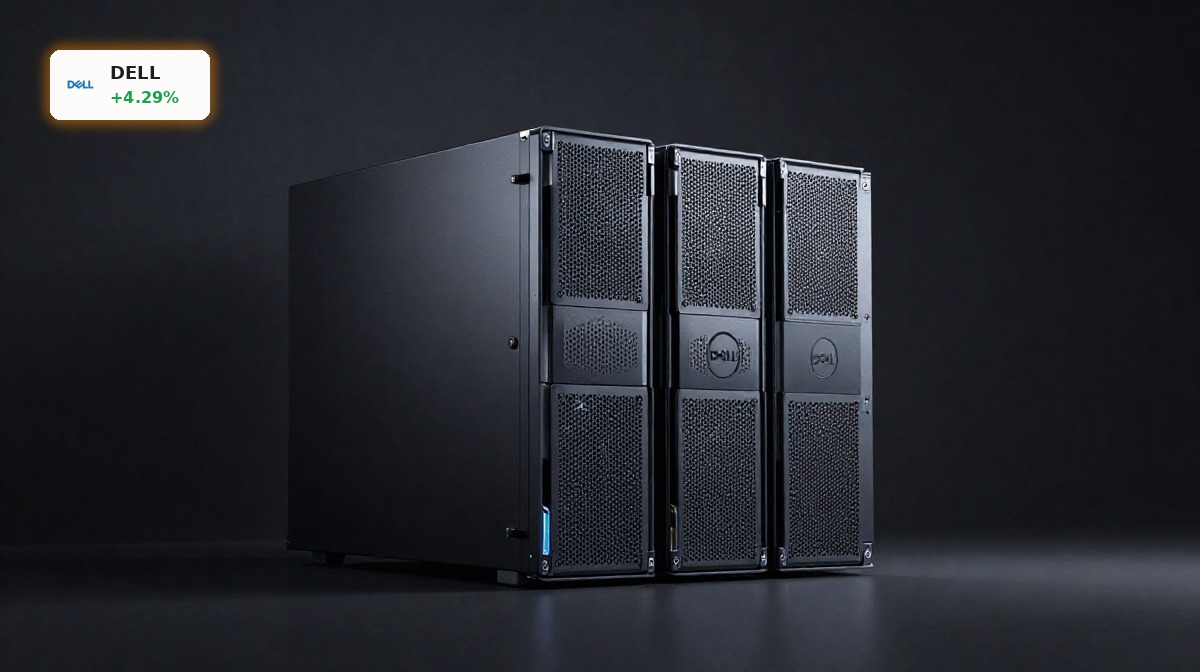

Can Dell Trump Accounts turn political spotlight into a lasting shareholder growth story for Dell Technologies?

What Do Dell Trump Accounts Mean for Investors?
Dell Technologies Inc. isn’t just riding political optics — it’s at the epicenter of a structural shift in retail and institutional capital flows. The Trump Accounts program, seeded with $1,000 per child born 2025–2028 and boosted by the Dells’ $6.1 billion pledge for younger beneficiaries, creates a multi-year inflow vector into U.S. equities. Crucially, Dell is one of only three companies explicitly named in the White House’s official launch materials — alongside Tesla and JPMorgan Chase — signaling preferential alignment. Barron’s reported Trump purchased $5.1 million in Dell stock in Q1 2026, reinforcing his personal stake in the Dell Trump Accounts narrative. That alignment matters: with over two million children expected to receive stock contributions via SpaceX and corporate partners like Goldman Sachs and Robinhood, Dell’s brand visibility and long-term shareholder base expansion are accelerating.
How Does Dell Compare to AI Infrastructure Peers?
While NVIDIA dominates AI chip headlines, Dell Technologies Inc. is delivering the hardware stack — servers, networking, and AI-optimized workstations — that powers enterprise adoption. In fiscal Q4 2026, Dell reported record full-year revenue of $113.5 billion (+19% YoY), record diluted EPS of $8.68 (+36%), and $11.2 billion in operating cash flow. Raymond James clarified that recent concerns over Dell’s termination of its Arrow Electronics distribution agreement — mischaracterized as a $1.4 billion revenue loss — actually involved gross billings, not revenue, and called the earnings impact on Arrow ‘likely immaterial.’ That reassurance helped stabilize sentiment as Dell outperformed Hewlett Packard Enterprise (HPE) and Super Micro Computer (SMCI) on Monday, rising 4.3% versus HPE’s +1.8% and SMCI’s +2.6%. Sahm Capital notes Dell now trades at a 15% discount to one intrinsic value estimate, despite AI server revenue growth exceeding 40% YoY.
Why Did Dell File Two 8-Ks on July 6?
Dell Technologies Inc. filed two SEC Form 8-Ks on July 6 — one amending its bylaws and another modifying shareholder rights — both effective July 2. The bylaw changes implement Section 21.373 of the Texas Business Organizations Code, raising the threshold for shareholder proposals to $1 million in market value or 3% of outstanding voting shares, with a six-month holding requirement. While some investors interpret this as entrenchment, Morgan Stanley analysts view it as a signal of board confidence in long-term strategy — particularly amid rising AI infrastructure demand and Dell’s growing role in sovereign cloud deployments with DXC Technology and federal agencies. The timing is no coincidence: the filings preceded the official market debut of Trump Accounts and align with Dell’s Q3 2026 guidance update, which raised AI server delivery targets by 12%.
Is Dell’s Technical Setup Sustainable?
Go out and buy a Dell computer.— Donald Trump
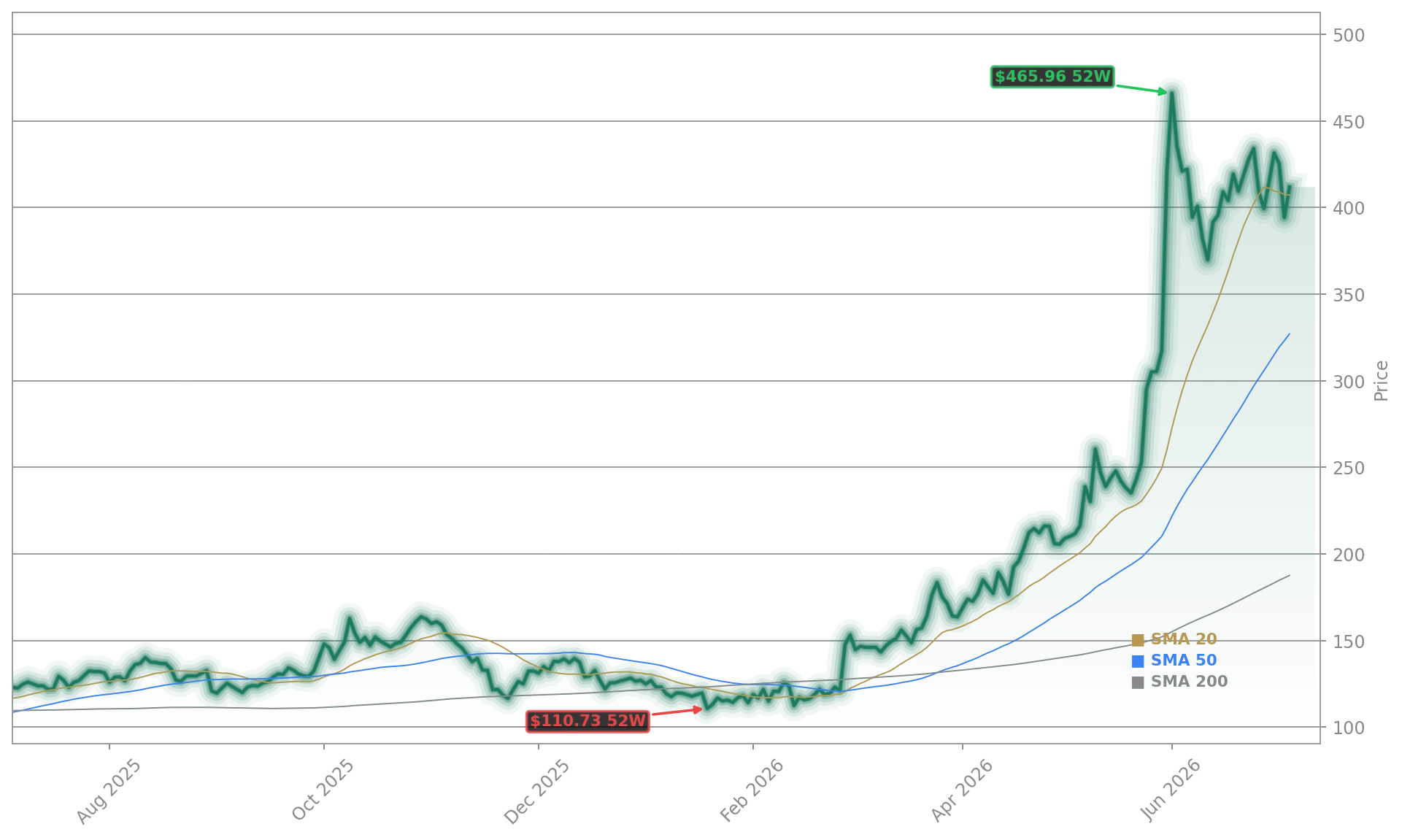
Yes — with caveats. Dell closed Monday at $411.24, 0.8% above its 20-day simple moving average ($407.12) and well above all major longer-term averages — including the 200-day at $188.20. The golden cross confirmed in March remains intact. However, near-term momentum has cooled: the MACD histogram is negative, and implied volatility sits at 80%, making long calls expensive. Options traders are favoring put spreads as hedges — not bearish bets — anticipating consolidation near $444.00 resistance before the next leg up. With the S&P 500 trading at 7,537 and the NASDAQ surging on semiconductor strength, Dell’s infrastructure exposure positions it to benefit from both AI capex and retail account inflows tied to Dell Trump Accounts.