Can Eli Lilly’s latest deal prove the company is more than a one-theme GLP-1 growth story?

Why Is Eli Lilly Acquisition Focused on Pain Now?
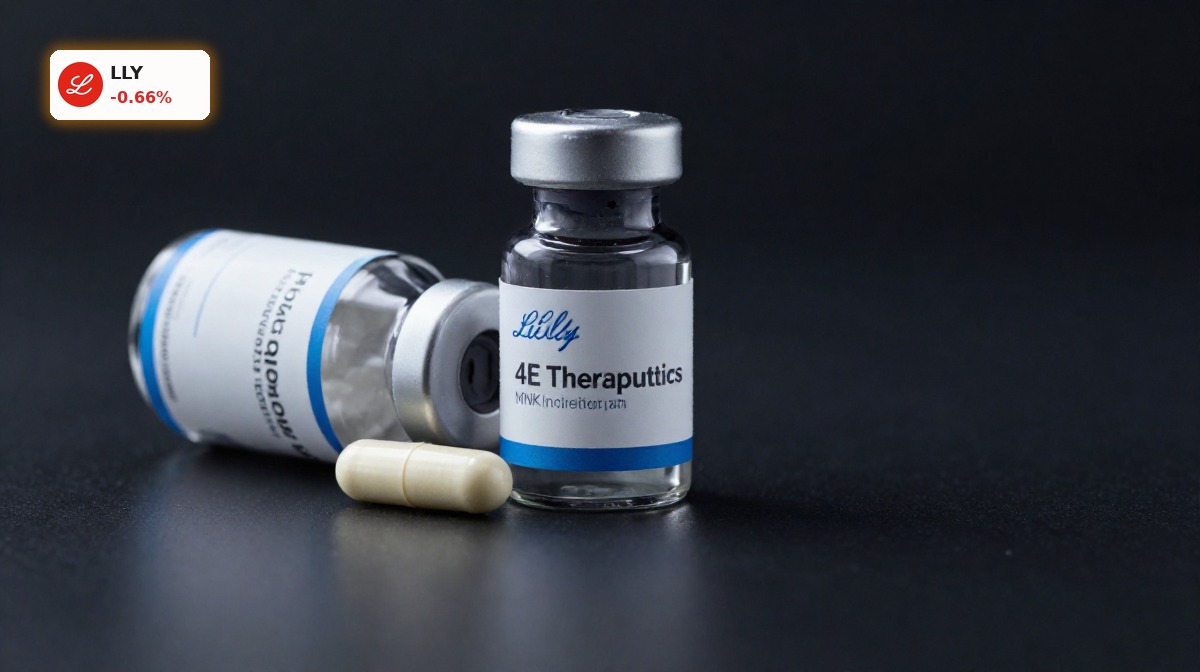
After years of discontinuing pain candidates — including LY3857210 and mazisotine — Eli Lilly’s acquisition of 4E Therapeutics is not a re-entry but a recalibration. The deal secures oral MNK inhibitors that block pain signal generation at the nerve ending, a mechanism distinct from opioids or anti-inflammatories. Unlike its prior $1 billion SiteOne Therapeutics purchase, 4E’s pipeline is earlier-stage but mechanistically novel, offering potential patent life beyond 2038. With Novo Nordisk (NVO) aggressively expanding its Wegovy pill into China and generic semaglutide looming, Eli Lilly’s Eli Lilly Acquisition underscores urgency: diversify before GLP-1 growth decelerates. Barclays maintains a Buy rating on Eli Lilly and Company with a $1,400 price target — citing this very strategic breadth.
How Does This Compare to Eli Lilly’s Weight-Loss Dominance?
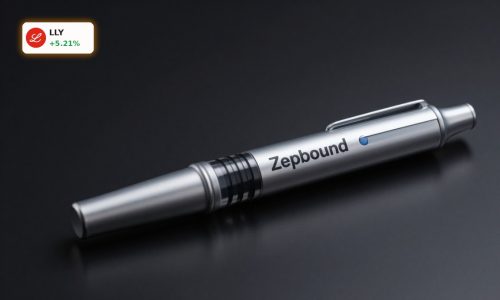
Eli Lilly and Company’s Zepbound remains the best-selling weight-loss drug globally, while Foundayo — its newly approved oral GLP-1 — is accelerating adoption among injection-averse patients. Retatrutide, its triple-hormone agonist, posted >24% average weight loss in Phase 3 — outpacing Zepbound and positioning Lilly ahead of Novo Nordisk in next-gen efficacy. Yet investors are increasingly pricing in saturation: the S&P 500 Healthcare sector trades at 17.4x forward P/E, while Eli Lilly and Company trades at 31.3x. That premium demands proof of durable growth beyond obesity — making the Eli Lilly Acquisition critical for long-term multiple support. The company’s oncology and immunology franchises, including its collaboration with Aktis Oncology, provide runway — but pain is the largest untapped adjacent market.
What Does This Mean for the NASDAQ and S&P 500?
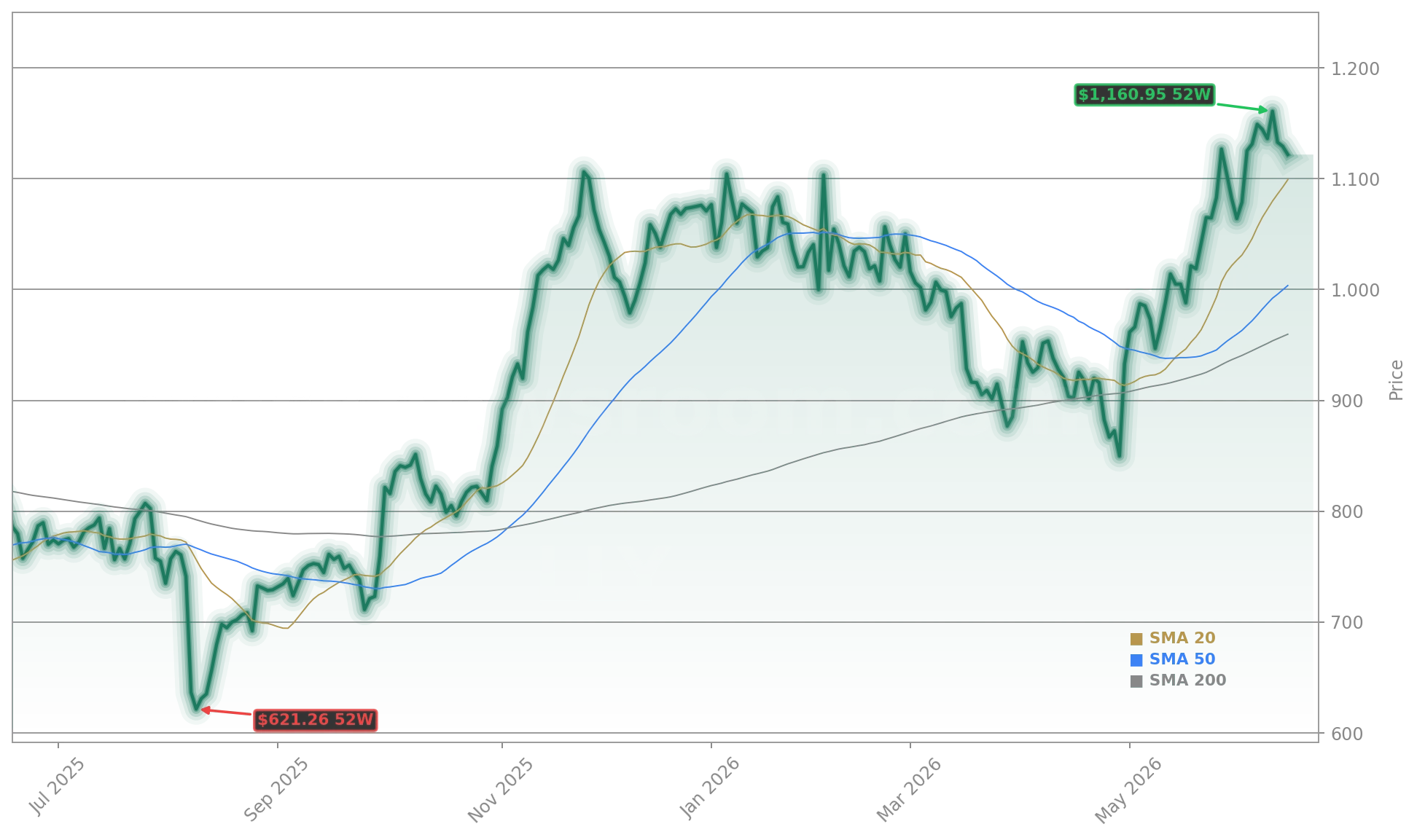
Eli Lilly and Company is now the third-largest component of the NASDAQ-100 by weight — behind only Apple and NVIDIA. Its 40% 12-month gain contrasts sharply with Novo Nordisk’s 42% decline, reflecting divergent investor sentiment on sustainability. The Eli Lilly Acquisition adds near-term R&D expense but strengthens long-term optionality — a key driver for index funds facing rebalancing pressure in Q3. With over $12 billion in cash and only 0.3x net debt-to-EBITDA, the deal poses no balance sheet risk. RBC Capital Markets recently affirmed its Outperform rating, noting that neuroscience assets like 4E’s could contribute $2–3 billion in annual revenue by 2032 if clinical validation holds.
Is This Eli Lilly Acquisition a Bet Against GLP-1 Fatigue?
Absolutely. While Zepbound and Foundayo drive record earnings, Eli Lilly and Company’s Q1 2026 results also revealed softening sequential growth in new prescriptions — a trend mirrored across the GLP-1 class. The Eli Lilly Acquisition targets a structural market gap: chronic pain affects over 50 million U.S. adults, yet fewer than 20% receive guideline-concordant non-opioid therapy. 4E’s lead candidate avoids the cardiovascular and addiction risks that derailed Eli Lilly’s historic Darvon franchise. Unlike legacy pain assets, this Eli Lilly Acquisition aligns with FDA’s 2025 Non-Opioid Innovation Incentive Program — potentially accelerating review timelines. Goldman Sachs analysts highlight that successful commercialization here could lift Eli Lilly and Company’s 2027 revenue growth forecast from 18% to 22%.
Related Coverage: Eli Lilly’s Orforglipron momentum is under fresh scrutiny as pricing pressure mounts — Eli Lilly Orforglipron Powers $19.8B Surge as Risks Rise. Meanwhile, the broader biotech sector is gaining regulatory tailwinds, with Moderna Restructuring +6.3% as FDA Momentum Builds signaling a favorable environment for pipeline-driven catalysts like 4E’s MNK inhibitors.
The company was focused on four main growth areas: oncology, immunology, neuroscience, and a final category encompassing cardiometabolic health and diabetes.— Lucas Montarce, CFO of Eli Lilly and Company
Eli Lilly Acquisition confirms the company’s transition from a GLP-1 pure play to a diversified neuroscience and metabolic leader. For U.S. investors, this strengthens portfolio resilience amid rising interest rates and sector rotation pressures. The next major catalyst arrives in Q3 with Phase 2 data readouts for 4E’s lead MNK inhibitor — a make-or-break moment for Wall Street’s confidence in Lilly’s post-weight-loss strategy.