
Can IBM Product Launch momentum turn legacy infrastructure into one of the market’s most credible AI trades?

Why is IBM Product Launch timing critical for NASDAQ investors?
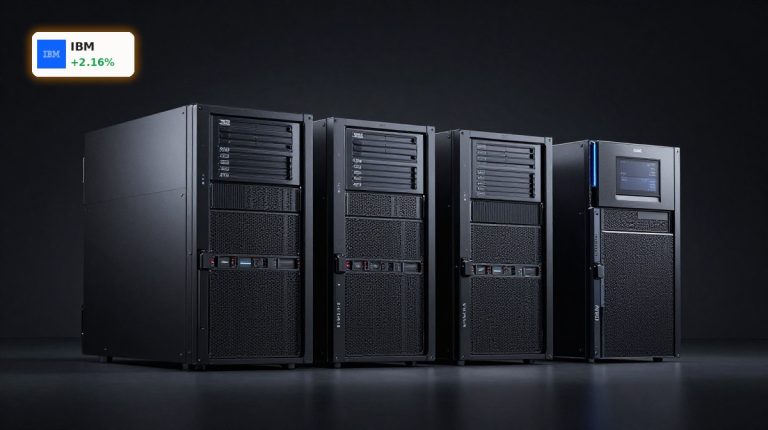
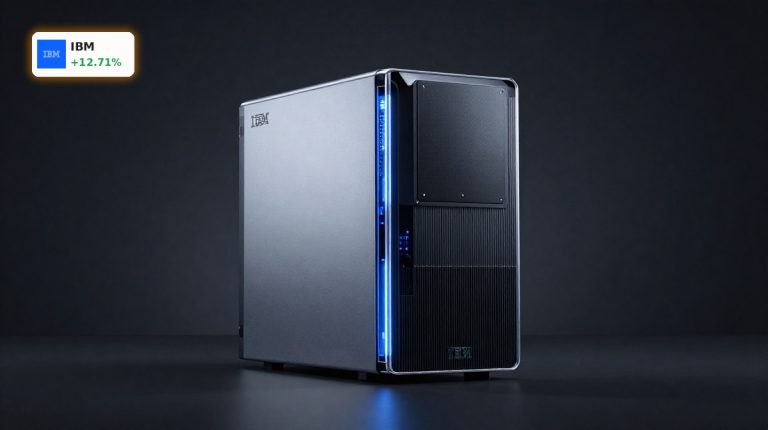
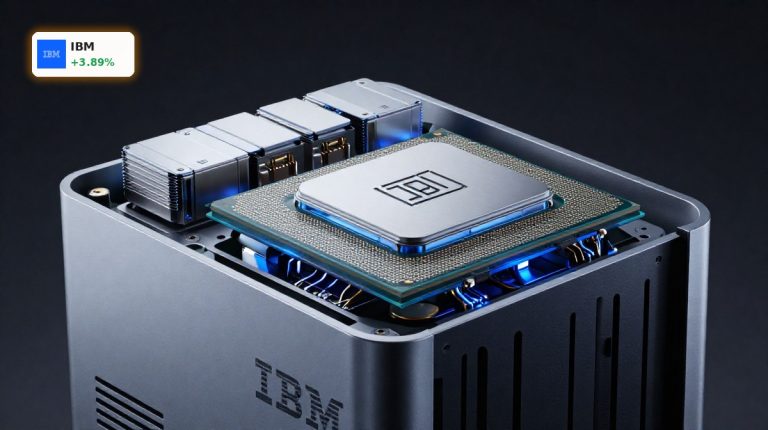
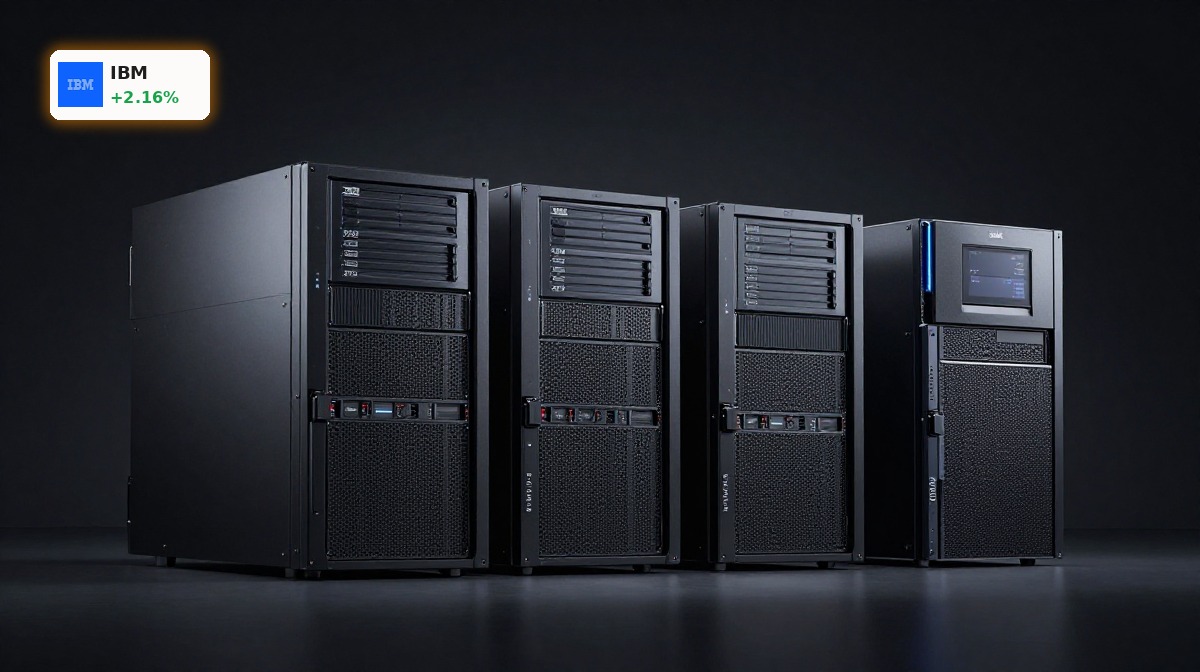
With NASDAQ futures down 1.05% and S&P 500 futures slipping premarket on July 7, IBM’s strength stands out — not as an anomaly, but as a signal. While hyperscalers like Meta and NVIDIA dominate AI capex headlines, IBM’s new z17 and LinuxONE 5 configurations offer a differentiated, low-latency, high-security path for mission-critical AI workloads. Unlike GPU-heavy stacks, these systems support up to 82 cores and 18 TB of memory in compact rack-mount form — a direct response to data center space constraints facing Fortune 500 IT leaders. Bank of America Securities recently raised its price target to $330, citing software momentum and Confluent integration, reinforcing IBM’s shift beyond hardware into AI-powered infrastructure services.
How do z17 and LinuxONE 5 compare to cloud-native AI infrastructure?
The z17 ME2 delivers up to 10% greater throughput per core than the z16 A02 — a meaningful gain for banking transactional AI, real-time fraud detection, and regulatory compliance automation. That’s not just incremental: it positions IBM to compete with hybrid cloud AI offerings from Apple-adjacent infrastructure partners and enterprise-focused cloud providers. IBM’s new Infrastructure Management software, launching August 14, adds AI-driven automation for z/OS and Linux environments — a capability increasingly demanded by firms seeking to modernize COBOL workloads without full rewrites. Meanwhile, IBM COBOL Elevate for z/OS (launching September 18) directly addresses the $12.5 billion generative AI book of business — 80% of which resides in Consulting, signaling strong services leverage ahead of earnings.
What do Wall Street upgrades reveal about IBM’s AI credibility?
Three major upgrades in less than two weeks underscore growing conviction: Bank of America raised its target to $330 on July 6; JPMorgan upgraded IBM to Overweight with a $291 target on June 23; and Morgan Stanley lifted its forecast to $267 while maintaining Equal-Weight. These aren’t isolated opinions — they reflect a broader reassessment of IBM’s AI monetization path. Jim Cramer echoed this on July 6, calling IBM the ‘boring AI stock’ trading at just 22x forward earnings — a stark contrast to peers trading above 40x. With IBM’s Benzinga Edge quality score at 85.77 (top quartile) and momentum at 46.06 (neutral), the market is pricing in durability, not disruption. That’s critical for S&P 500 investors seeking AI exposure with dividend stability — IBM yields 3.4% and has raised its payout for 30 consecutive years.
How will ETF flows respond to the IBM Product Launch?
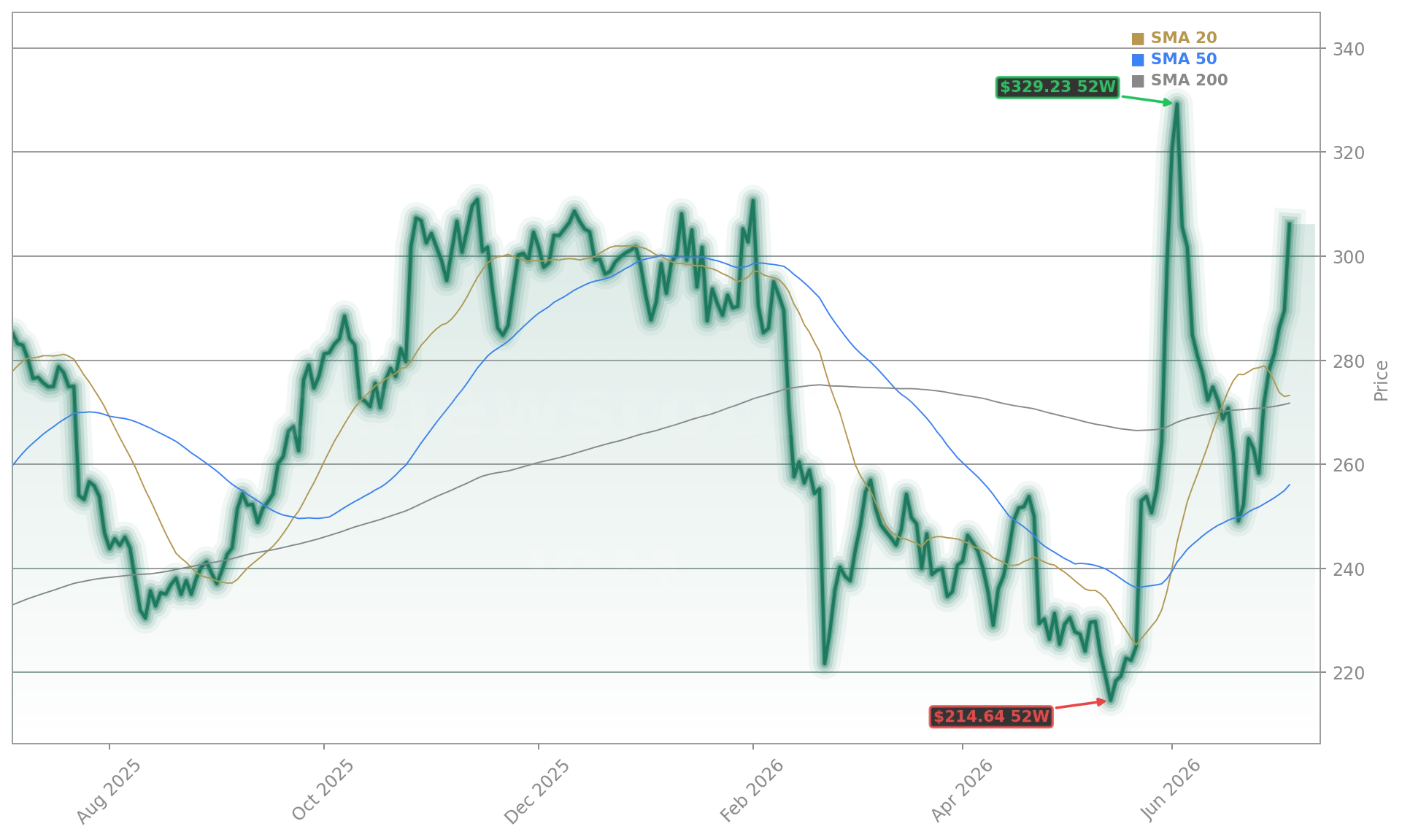
IBM is a top-3 holding in two major tech dividend ETFs: the First Trust NASDAQ Technology Dividend Index Fund (TDIV) and FT Vest Technology Dividend Target Income ETF (TDVI), each with 6.97% weightings. It also comprises 4.57% of the Invesco Dow Jones Industrial Average Dividend ETF (DJD). Given that ETF inflows often precede earnings catalysts, the IBM Product Launch could trigger rebalancing demand — especially as TDIV and TDVI attract yield-seeking investors amid rising Treasury yields. With IBM trading 20.4% above its 100-day SMA and 11.2% above its 20-day SMA, technical indicators remain strongly bullish, though the March death cross (50-day below 200-day SMA) serves as a reminder that trend reversals remain possible if Q2 earnings disappoint. Analysts expect $3.02 EPS on $17.86 billion revenue — up 7.9% year-over-year.
What’s next for IBM’s AI infrastructure leadership?
With z17 and LinuxONE 5 systems going GA on August 12, IBM’s next inflection point arrives July 22: its Q2 2026 earnings report. That release will test whether the IBM Product Launch narrative aligns with financial execution — particularly in software revenue growth and consulting margin expansion. The company’s AI book of business has accelerated from $7.5 billion in Q2 2025 to $12.5 billion at year-end, and momentum appears intact. For investors, the key question isn’t whether IBM can build AI systems — it’s whether enterprises will choose secure, scalable, sovereign infrastructure over public cloud alternatives. The answer may determine IBM’s role in the next phase of the AI infrastructure cycle.
The number of mission-critical workloads is rising at an incredible pace. With these new IBM Z and IBM LinuxONE systems, we’re making it easier to run workloads where they make the most sense.— Tom McPherson, general manager of IBM Z and LinuxONE
Related coverage: IBM’s recent security-focused AI strategy has drawn skepticism despite strong execution — IBM AI Strategy -7% as Security Push Meets Sell-Off. Meanwhile, broader macro pressures are emerging: Walmart Forecast -4.3%: Q3 Sales Warning Hits Sentiment highlights how margin sensitivity is spreading across sectors, making IBM’s stable cash flow and pricing power even more valuable.