Can Rigetti Quantum Strategy survive a brutal reality check as investors demand proof that quantum ambition can finally become revenue?

What’s Driving Rigetti’s Downward Momentum?
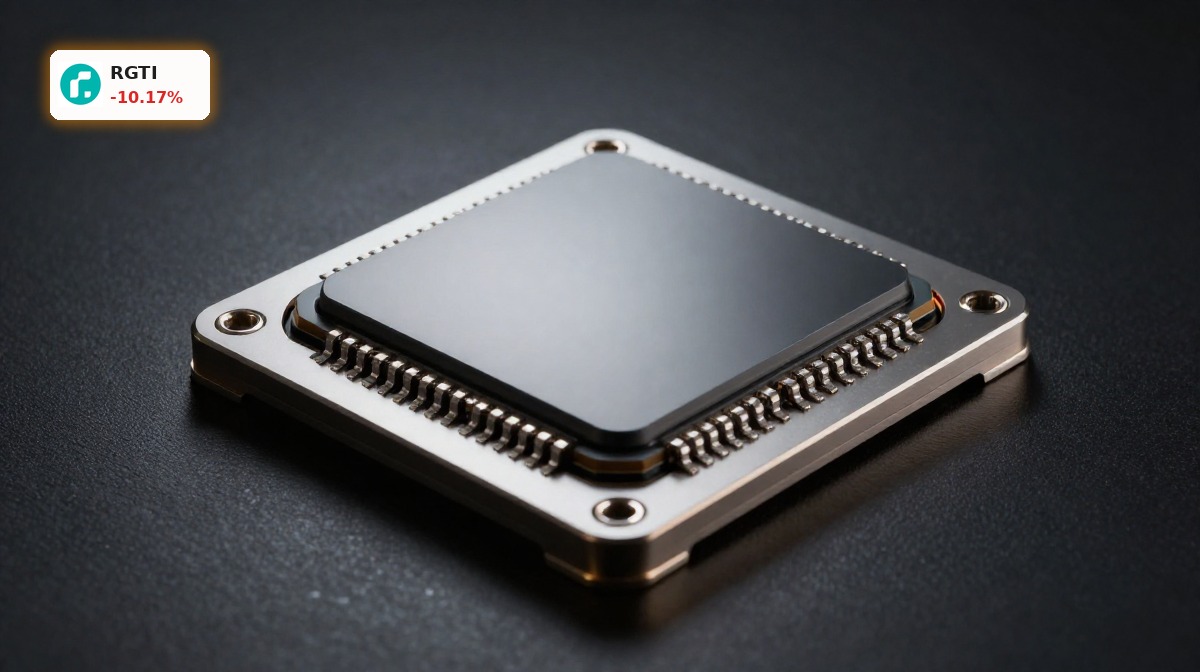
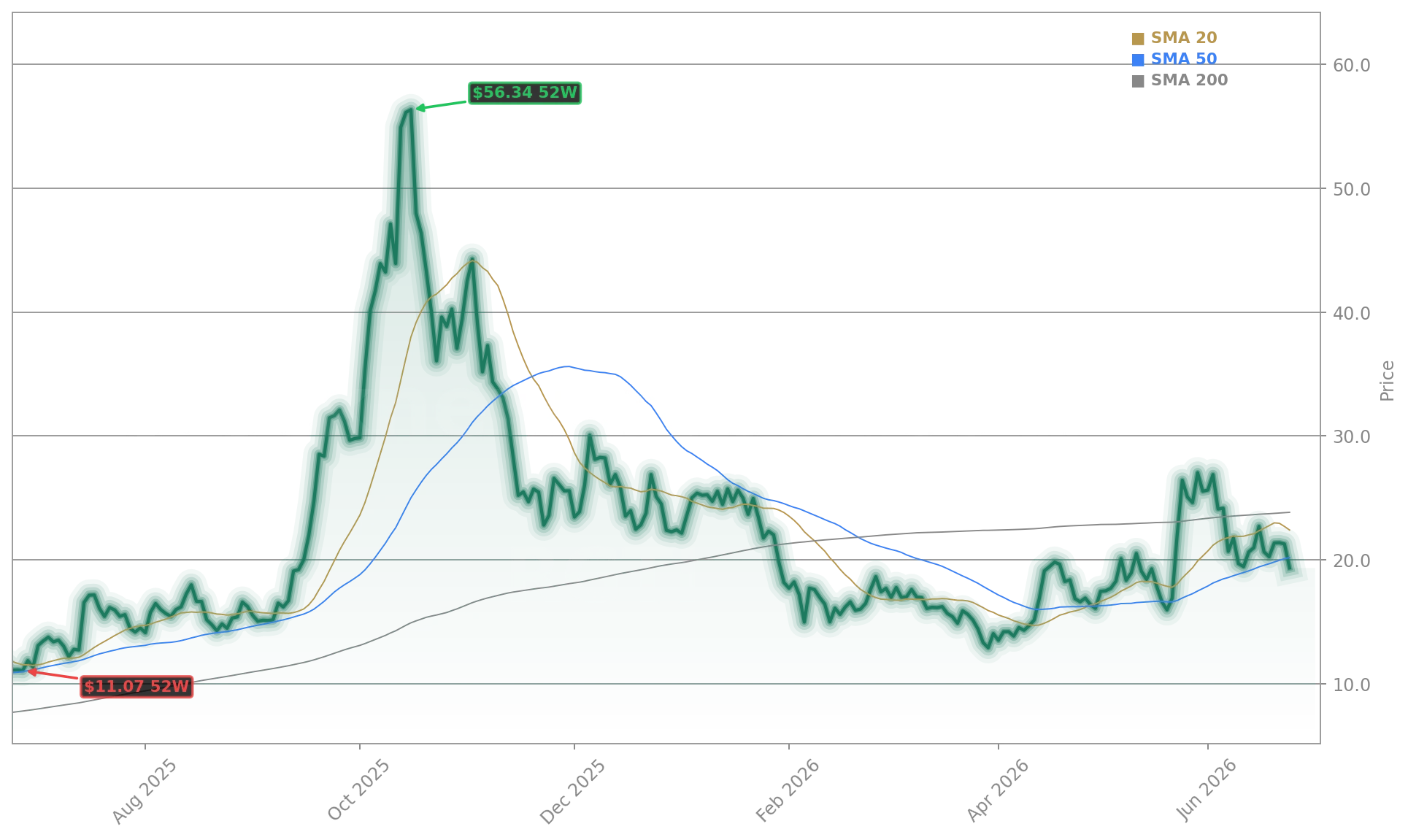
Rigetti Computing, Inc. dropped over 10% in after-hours trading on June 24, 2026, closing at $19.11 — a level well below its 52-week high of $48.00 and just above its 50-day moving average. The selloff occurred even as the Biden administration signed two executive orders on June 23 to accelerate quantum infrastructure development, pledging $1.2 billion in new federal funding and targeting an operational quantum computer by 2028. While the policy tailwind is real, investors are increasingly distinguishing between political ambition and execution — and Rigetti’s Rigetti Quantum Strategy is no longer assumed to be the default path to near-term revenue.
How Does Rigetti Quantum Strategy Compare to Rivals?
Unlike IonQ, which has prioritized cloud-accessible, NISQ-era systems with clear enterprise partnerships in finance and pharma, Rigetti Computing, Inc. remains anchored to a vertically integrated superconducting hardware model — one that competes directly with NVIDIA’s CUDA Quantum ecosystem and IBM’s Quantum System Two. D-Wave Quantum and Quantum Computing Inc. have pivoted toward niche applications or hybrid software stacks, but Rigetti’s Rigetti Quantum Strategy emphasizes full-stack control and quantum-classical integration. That differentiation is now a liability: Citigroup analysts recently downgraded Rigetti to ‘Neutral’ citing ‘unclear path to $50M+ annual recurring revenue before 2029’ — a timeline that lags behind IonQ’s 2027 commercialization target.
Why Is Error Correction Dominating the Narrative?
The market pivot toward quantum error correction (QEC) is reshaping valuations. Rigetti Computing, Inc. has yet to demonstrate a logical qubit — a threshold now seen as essential for enterprise contracts. By contrast, Apple and Google are investing heavily in topological qubits and surface-code validation, while startups like Quantinuum report QEC milestones on trapped-ion platforms. This technical shift has eroded confidence in Rigetti’s near-term roadmap. RBC Capital Markets notes that ‘superconducting timelines have slipped across the board — and Rigetti’s Rigetti Quantum Strategy lacks the capital or IP moat to absorb further delays.’
Are Insider Sales a Red Flag?
On June 24, Rigetti Computing, Inc. disclosed that Director Ray O. Johnson sold 84,944 shares under a pre-arranged 10b5-1 plan — a move not inherently negative, but notable amid heightened volatility. The stock’s annualized volatility remains north of 150%, and its current price sits 60% below its 52-week peak. Institutional ownership has declined by 12% over the past quarter, per Bloomberg data. Meanwhile, Morgan Stanley maintains a ‘Moderate Buy’ rating but slashed its 12-month price target from $28 to $22, citing ‘slower-than-expected DoE and NASA procurement velocity’ — a direct challenge to the Rigetti Quantum Strategy’s government-reliance thesis.
What’s Next for Rigetti Quantum Strategy?
With Q2 2026 earnings due July 31, Rigetti Computing, Inc. faces its most consequential quarter yet. Revenue remains below $5 million — versus IonQ’s $17.2 million in Q1 — and cash reserves stand at $142 million, enough for roughly 14 months of current burn. The company’s Rigetti Quantum Strategy hinges on three near-term catalysts: a multi-year contract with the U.S. Department of Energy (expected Q3), validation of its Ankaa-2 processor with a Fortune 100 partner, and integration into a major cloud provider’s quantum-as-a-service stack. None are guaranteed — and none are priced in.
Superconducting timelines have slipped across the board — and Rigetti’s Rigetti Quantum Strategy lacks the capital or IP moat to absorb further delays.— RBC Capital Markets
Related Coverage: Rigetti’s competitive disadvantage is intensifying — read how a new quantum rival slashed Rigetti’s valuation premium in Rigetti Competition -14% as Quantum Rivalry Hits Valuation. Meanwhile, IonQ’s commercialization struggles underscore sector-wide pressure — see IonQ Commercialization -8%: Quantum Revenue Warning, published today.