
Could an unprecedented short squeeze trigger a massive rally for Lucid Group, or is the luxury EV maker headed for a deeper crash?

What Drives the Current Lucid Group Speculation?
The primary catalyst behind the latest **Lucid Group Speculation** is the company’s highly unusual short-selling metrics. Financial data indicates that short interest in the luxury EV maker has climbed to an astronomical 40% of its float. Even more striking for market observers is the revelation that there are currently zero shares available to borrow for short sellers. When borrow utilization reaches 100% and available shares drop to zero, it typically indicates that bearish traders have maxed out their positions, setting the stage for extreme price volatility.
For retail investors and institutional trading desks alike, these metrics raise the possibility of a classic short squeeze. If **Lucid Group** delivers any unexpectedly positive operational news, short sellers could be forced to rapidly buy back shares to cover their positions, potentially triggering a sharp upward move. Investment banks have also kept a close eye on these dynamics. While some analysts maintain a cautious stance due to macroeconomic headwinds, the sheer volume of short positions has made the stock a highly watched candidate for sudden rallies. However, short sellers remain aggressive, betting that the company’s ongoing capital requirements and production bottlenecks will continue to weigh on the stock price. This high-stakes tug-of-war has turned the stock into a battleground, amplifying the **Lucid Group Speculation** across online forums and trading desks.
How Does Lucid Group Compare to Tesla?
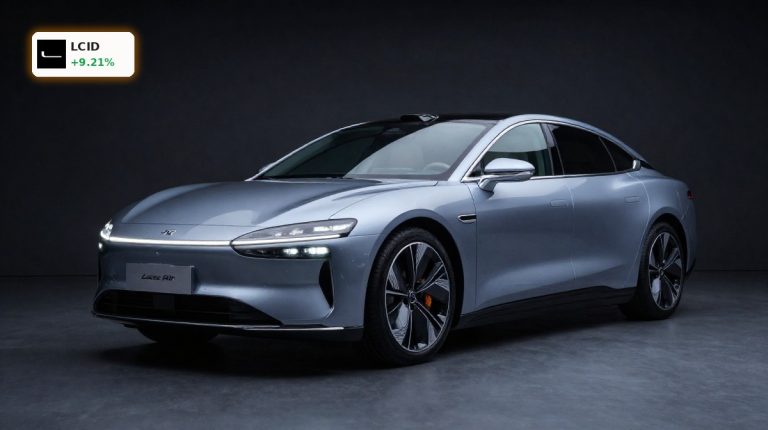
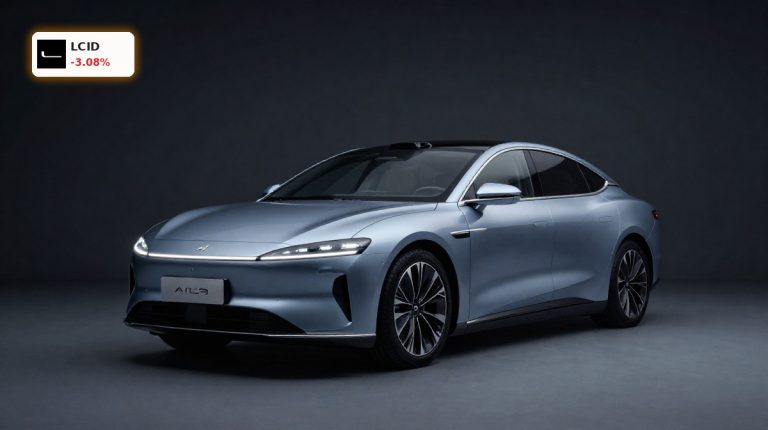
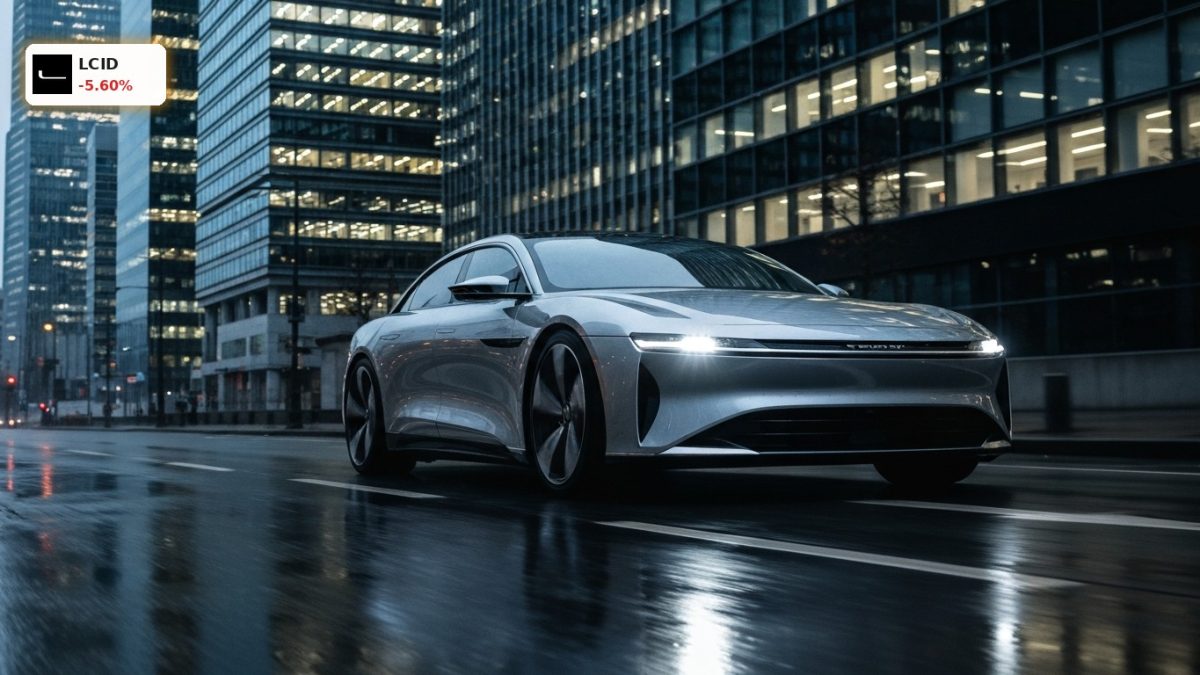
Many investors engaging in **Lucid Group Speculation** are drawing direct parallels to the early days of **Tesla**. Proponents of the luxury EV brand argue that Lucid possesses superior powertrain technology, boasting industry-leading range and efficiency metrics that outclass many of Tesla’s current offerings. The premium design of the Lucid Air sedan has positioned the company as a legitimate challenger in the high-end luxury segment, a space where Tesla’s aging Model S has lost some of its luster.
However, skeptics point out that comparing the two companies is a double-edged sword. While **Tesla** successfully navigated its manufacturing expansion phase to achieve massive scale and consistent profitability, Lucid is still struggling to ramp up its manufacturing volume. Building high-performance electric vehicles is an incredibly capital-intensive endeavor, and scale is the only true path to survival in this competitive landscape. While Tesla has established a global charging infrastructure and a highly diversified product lineup, Lucid remains a niche player heavily reliant on external funding, primarily from Saudi Arabia’s Public Investment Fund (PIF).
Related Coverage
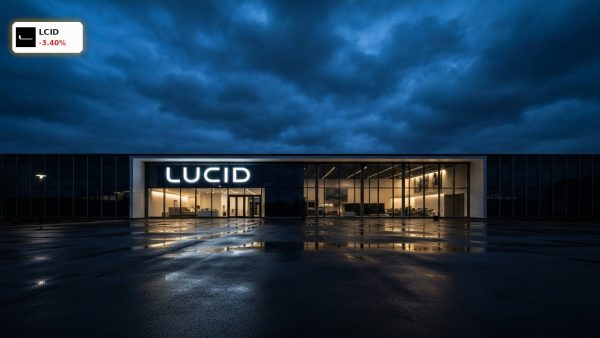
To fully understand the financial pressures surrounding the electric vehicle sector, it is helpful to look at recent industry developments. Investors can read our analysis of the company’s capital struggles in Lucid Financials: Stock Drops -3.4% as Cash Burn Worries Deepen, which highlights how severe cash burn continues to impact long-term valuation. Additionally, broader market headwinds are affecting consumer brands globally; for insight into retail demand shifts, consider reading Nike Analysis: Stock Plunges -2.9% Amid Weakening Demand to see how macroeconomic pressures are shaping corporate restructuring efforts.