Can Lucid Restructuring finally slow the cash burn, or is this just another reset for a still-unproven EV challenger?

What Does Lucid Restructuring Mean for Wall Street?
Lucid Restructuring signals a sharp pivot toward cost discipline — not just efficiency. The company expects $158 million in annualized savings, a critical step for a firm that reported $3.8 billion in negative free cash flow in 2025. That figure dwarfs peers like Rivian (RIVN), which posted $2.1 billion in negative FCF last year, and contrasts sharply with Tesla’s $12.3 billion in positive FCF. With the S&P 500’s Consumer Discretionary sector down 1.7% on the day and NASDAQ’s EV sub-index sliding 2.4%, Lucid’s announcement amplified sector-wide concerns about overcapacity and demand softness. Citigroup maintained its Buy rating on LCID but cut its price target to $14 from $17, citing ‘Q1 delivery misses and delayed visibility into 2027 ramp.’
Why Did Lucid Eliminate the COO Position?
Lucid Group, Inc. removed the Chief Operating Officer role as part of a deliberate C-suite simplification — a move that saw Marc Winterhoff depart immediately after serving as interim CEO earlier this year. Winterhoff’s exit follows the February 2025 resignation of longtime CEO Peter Rawlinson and the recent departures of SVP of Engineering Emad Dlala and SVP of Strategy Claudia Gast. The new permanent CEO, Silvio Napoli — formerly of Schindler — assumed leadership on June 1 and is now overseeing the Lucid Restructuring plan. Analysts at RBC Capital Markets noted that consolidating operations under Napoli ‘reduces decision latency’ but warned that ‘executing across hardware, software, and manufacturing remains unproven at scale.’
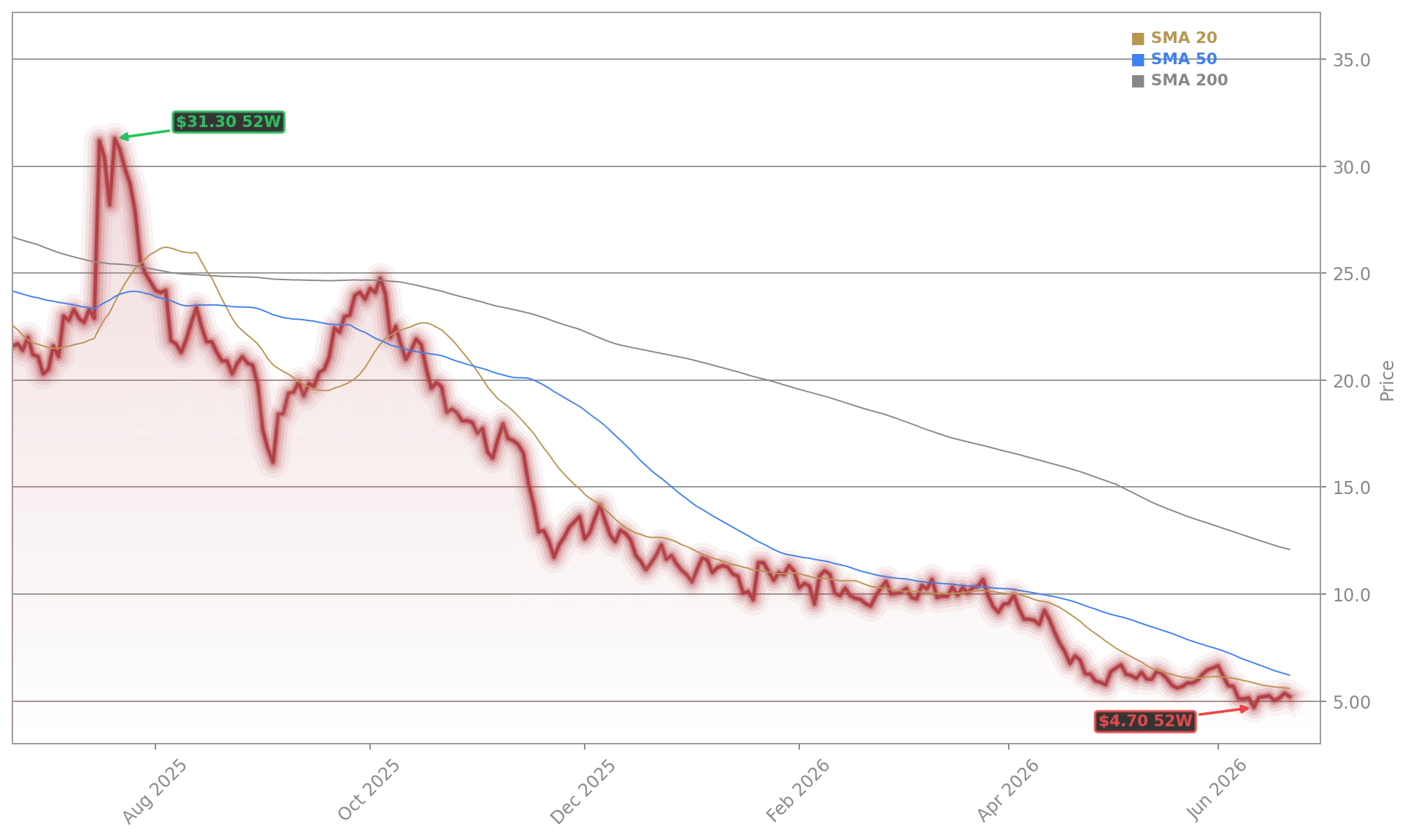
How Will the 18% Workforce Cut Impact Production?
The Lucid Restructuring includes full-time employees, contractors, and hourly manufacturing staff — with the AMP-1 factory’s second shift fully eliminated. This aligns production with current demand and helps reduce elevated inventory, which Lucid flagged as a key priority last month. The cuts also reflect mounting pressure from Saudi investors, who hold a controlling stake and are increasingly focused on capital efficiency. For context, Tesla operates three shifts at its Fremont plant and recently added a fourth at Gigafactory Texas — underscoring divergent scaling strategies. Lucid expects to incur $32 million in cash charges related to severance and transition, with the plan substantially complete by end-Q3 2026.
What’s Next for Lucid’s Robotaxi and Cosmos Plans?
Despite the restructuring, Lucid Group, Inc. reaffirmed its 2027 Houston robotaxi launch with Uber and Nuro — targeting mid-2027 for Gravity SUV-based autonomous rides. The company also confirmed the Cosmos SUV, its first sub-$50,000 model, remains on track for a late-2026 debut — a direct challenge to Tesla’s Model Y and Rivian’s R2. However, Benchmark downgraded LCID to Hold from Buy in May, citing ‘mixed demand signals’ and ‘materially clouded visibility’ post-CEO transition. The firm added that Lucid’s risk/reward profile ‘has skewed’ — a sentiment echoed by institutional flows, which showed $142 million in net outflows from U.S.-listed EV ETFs last week alone.
Lucid Restructuring: How Does It Compare to Broader Auto Sector Moves?
These are difficult decisions taken to align production with demand, reduce inventory, and adapt to declining market conditions. They are part of a broader effort to simplify the company, sharpen execution, and position Lucid to become more competitive over time.— Lucid Group, Inc. spokesperson
Lucid Restructuring stands apart from traditional automaker layoffs — it’s a tech-forward, capital-constrained pivot. While Ford and GM have announced plant idlings and salaried cuts, Lucid’s actions are more akin to early-stage software firms optimizing burn rate ahead of product-market fit. Its $158 million annualized savings target is nearly 12% of its 2025 operating expenses — a far steeper adjustment than Apple’s recent 5% corporate staff reduction. Meanwhile, NVIDIA’s data center revenue — up 265% year-over-year — continues to fund AI-driven autonomy investments across the ecosystem, raising the bar for Lucid’s software-defined vehicle strategy. With the NASDAQ down 0.9% on the day and EV stocks underperforming the S&P 500 by 220 basis points year-to-date, Lucid’s moves may foreshadow broader consolidation in the U.S. EV supply chain.