Will the sudden oil price escalation push crude past historic highs, or can global producers prevent a full-blown energy crisis?

Will Oil Price Escalation boost ExxonMobil?
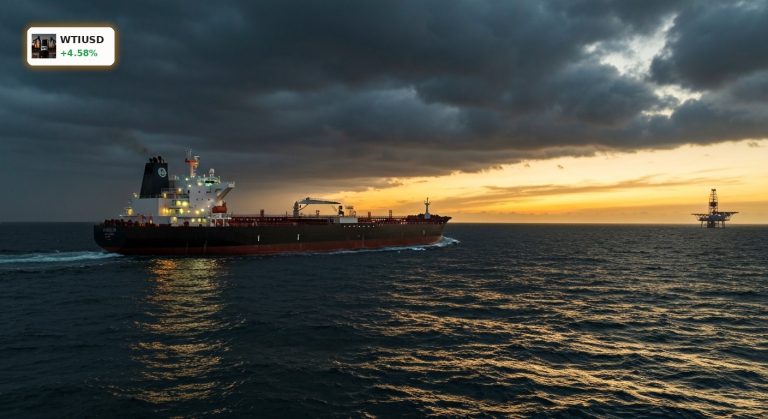
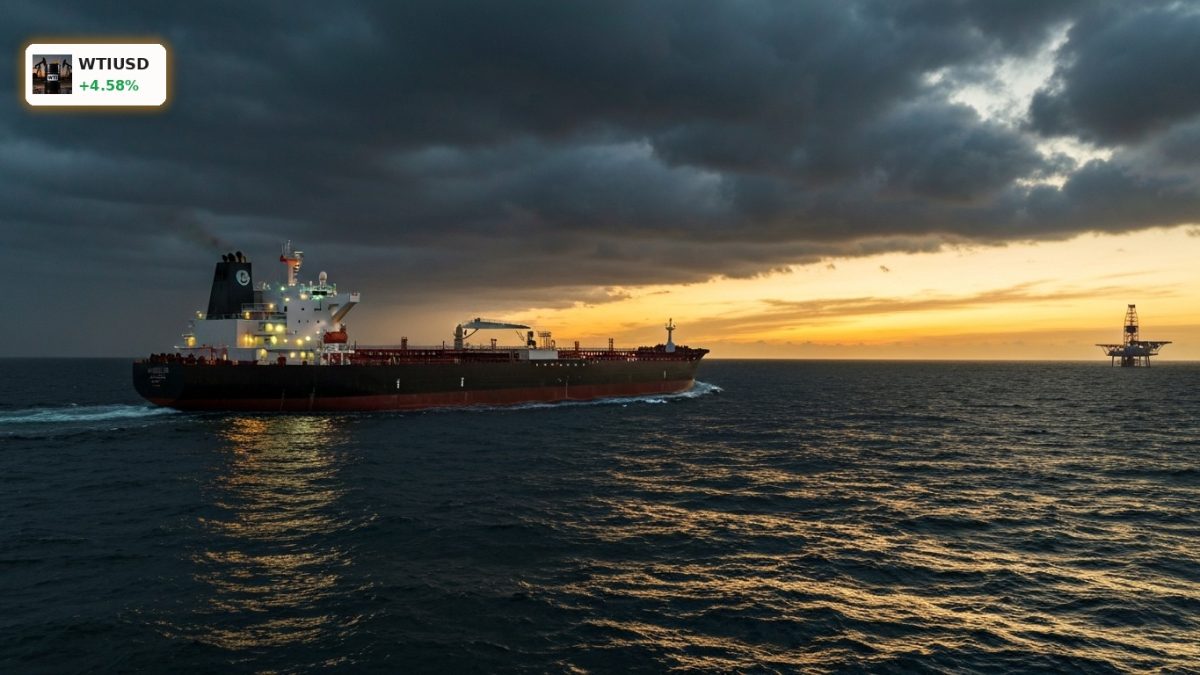
The primary driver behind this sudden **Oil Price Escalation** is the widening conflict in key maritime chokepoints. Overnight, Iran-backed Houthi militants launched drone and missile attacks on two Saudi Arabian oil tankers, the Encelia and the Layla, in the Red Sea. This aggressive move effectively threatens the Bab el-Mandeb Strait, a vital shipping lane that Saudi Arabia has been utilizing to bypass the already disrupted Strait of Hormuz. If this strait becomes completely impassable, tankers bound for Asia would be forced to take the long route around the Cape of Good Hope, severely delaying deliveries and raising freight costs.
For major American energy producers like ExxonMobil and Chevron, this geopolitical premium is rapidly translating into higher projected cash flows. Both oil giants entered the year heavily focused on structural cost-cutting and high-return assets, originally planning for a much lower price environment of $65 to $70 per barrel. With WTI now trading comfortably above $91, these companies are positioned to generate massive windfall profits.
How is Chevron navigating the supply crisis?
The threat to global supply chains extends far beyond the Middle East. In the Black Sea, Kazakhstan was forced to throttle its oil production after Ukrainian drone strikes targeted the Caspian Pipeline Consortium terminal in Russia. According to UBS analyst Giovanni Staunovo, a prolonged disruption there could remove up to 1.8 million barrels of Kazakh crude per day from an already tight global market.
This multi-front crisis is catching the market with historically low emergency buffers. In the United States, commercial crude inventories remain 5.3% below their five-year seasonal average, while the Strategic Petroleum Reserve sits at a four-decade low. This lack of spare capacity leaves the domestic fuel market highly vulnerable. Despite these headwinds, Chevron and other domestic producers are maximizing their output, with U.S. refinery utilization rates hovering near capacity at 96.2%.
What do top Wall Street analysts predict?
Financial institutions are rapidly adjusting their forecasts to account for the deteriorating security situation. Helima Croft, head of global commodity strategy at RBC Capital Markets, warned clients that the war has entered a highly dangerous phase. Croft noted that if a full regional conflict erupts, oil prices could easily surpass the 2022 highs of $128 per barrel or even eclipse the historic 2008 peak of $146 per barrel.
Similarly, Goldman Sachs commodities expert Daan Struyven warned that Brent crude could surge past $120 per barrel in the fourth quarter if the disruption of the Strait of Hormuz persists. Meanwhile, Pepperstone research strategist Ahmad Assiri highlighted that the immediate outlook for crude remains highly supportive as the market prices in a worrying probability of simultaneous chokepoint blockades.
Furthermore, U.S. President Donald Trump has warned of “major military punishment” for Iran and its Houthi proxies, intensifying the geopolitical risk premium. With retail gasoline prices in the United States already creeping past $4 per gallon, the economic pressure on the administration to resolve the crisis is mounting rapidly.
The immediate outlook for crude oil remains supportive as markets price a worrying probability of supply interruptions in a second chokepoint.— Ahmad Assiri, Pepperstone
Ultimately, the current **Oil Price Escalation** has cast a shadow over equity markets, with the Nasdaq and S&P 500 experiencing notable intraday losses as investors price in higher-for-longer interest rates. However, for energy sector investors, the unfolding crisis highlights the strategic value of resilient, cash-generating oil majors. As the geopolitical landscape remains highly volatile, the next few weeks will be crucial in determining whether crude prices will stabilize or embark on a march toward new multi-year highs.