Will the escalating military blockade in the Strait of Hormuz push WTI Crude Oil toward record highs, or is the rally short-lived?

Why is WTI Crude Oil surging past $81?
The primary catalyst behind this sudden price spike is the rapid escalation of hostilities in the Persian Gulf. U.S. Central Command (CENTCOM) confirmed a sixth consecutive night of airstrikes against Iranian targets. However, the nature of these strikes has shifted significantly. Instead of focusing solely on military launch sites, U.S. forces have expanded their targeting list to critical infrastructure, including key bridges and supply routes. These pathways are heavily utilized by the Islamic Revolutionary Guard Corps (IRGC) to transport munitions, military hardware, and personnel.
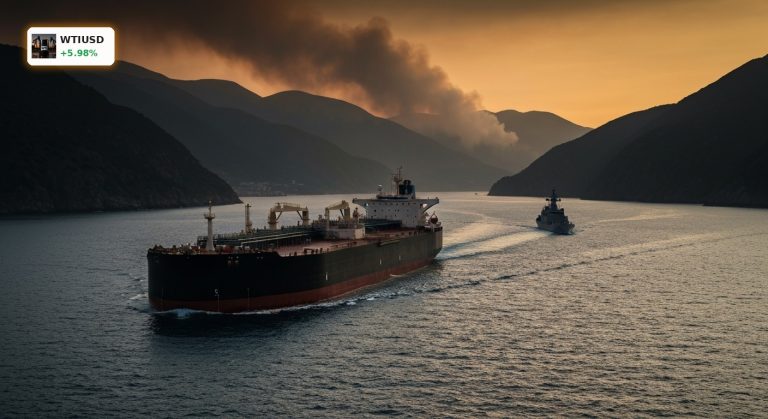
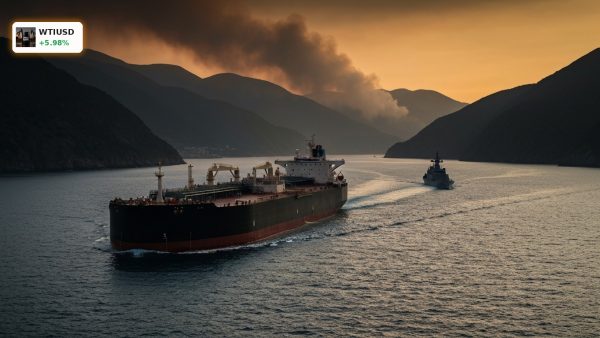
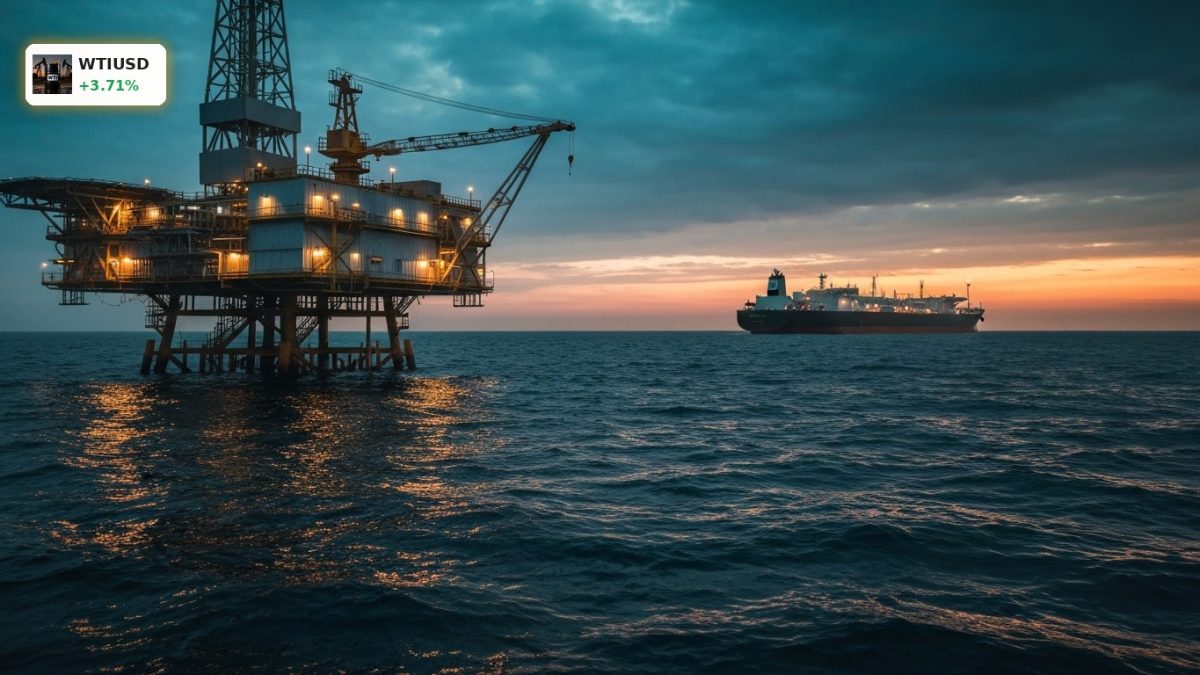
Furthermore, the U.S. Navy has implemented an aggressive blockade in the strategically vital Strait of Hormuz, severely restricting Iranian vessels trying to leave regional ports. Consequently, maritime traffic through this crucial chokepoint has plunged to three-to-four-week lows. Adding to the regional anxiety, reports surfaced that an attack struck a major seawater desalination plant in Kuwait, which generates 90% of the nation’s drinking water. This incident highlights the expanding geographical footprint of the conflict. While some market participants initially expected a swift de-escalation, the continuous bombing has forced traders to price in a much higher geopolitical risk premium, pushing WTI Crude Oil up by approximately 12% over the course of the week.
How do ExxonMobil and Chevron benefit?
As crude prices climb, major energy corporations are experiencing a significant tailwind. Industry giants like ExxonMobil and Chevron have seen their stock prices rally, outperforming the broader S&P 500 index. For Wall Street investors, energy equities are increasingly serving as a vital hedge against renewed inflationary pressures. Rob Hayworth, an investment strategist, warned that supply constraints and rising energy costs could disrupt the Federal Reserve’s progress on taming inflation, making the energy sector an attractive safe haven.
Market experts are divided on how high prices could go. Stephanie Gill warned that if Middle East tensions continue to escalate and global reserves remain depleted, oil could surge toward $150 to $160 per barrel as nations rush to rebuild their strategic inventories. Conversely, Jeff Curry of Altis Partners offered a more nuanced perspective, suggesting that “oil is the noise, product is the signal,” advising investors to look closely at refined product demands. While a sustained oil price between $80 and $90 per barrel will act as a drag on global economic growth, analysts believe major corporations can easily navigate this environment, keeping corporate earnings resilient.
For investors seeking a broader perspective on commodity markets and geopolitical shifts, exploring related macroeconomic trends is essential. Our analysis of WTI Crude Oil Geopolitics: Price Surges 6% on Trump Toll Shock examines how potential trade policies and maritime tariffs could further reshape global shipping routes and energy prices. Additionally, understanding how other hard assets behave during periods of geopolitical strain is crucial; our coverage on Gold Inflation: Why the Precious Metal Defies High Treasury Yields outlines why precious metals continue to attract safe-haven flows despite stubborn bond yields.
The escalating conflict in the Middle East has firmly established a strong floor under global energy markets, making WTI Crude Oil a critical focal point for global portfolios. For long-term investors, allocating capital to major energy producers provides an excellent hedge against geopolitical volatility and potential inflation shocks. As the situation in the Persian Gulf remains highly fluid over the weekend, the energy sector is poised to remain a dominant driver of market sentiment in the coming weeks.