Will Donald Trump’s controversial new 20% maritime toll permanently reshape global shipping routes and push oil prices to historic highs?

How did WTI Crude Oil Geopolitics trigger the latest price spike?
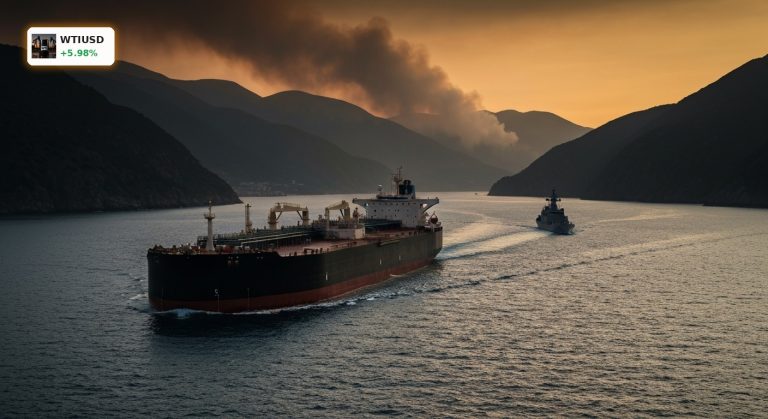
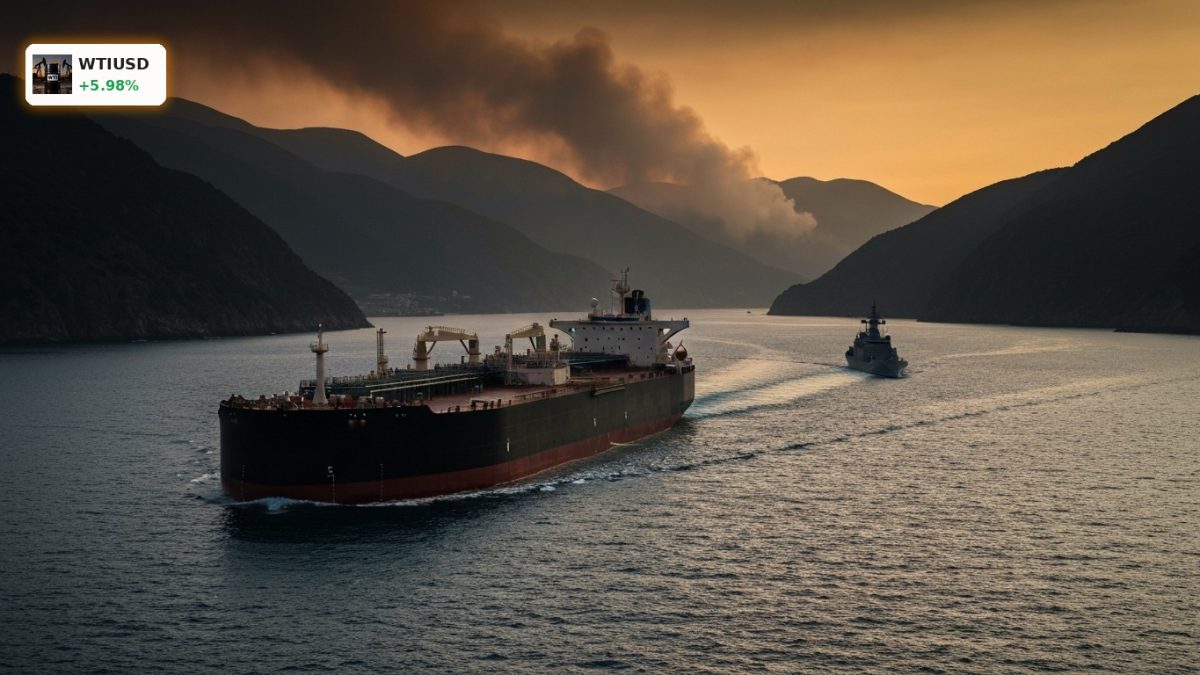
The fragile peace in the Persian Gulf completely unraveled over the weekend. The U.S. Central Command confirmed multiple precision airstrikes targeting Iranian air-defense systems, coastal radar sites, and missile capabilities. Iran retaliated swiftly, launching drone and missile attacks against U.S. military facilities in Jordan, Bahrain, Kuwait, and Qatar, while also targeting commercial vessels in the region. A Cyprus-flagged container ship was struck near Oman, forcing its crew to abandon the burning vessel.
By Monday morning, West Texas Intermediate (WTIUSD) surged $4.35, or 5.98%, to settle at $78.03 per barrel, up from its previous close of $73.68. This rapid ascent underscores the vulnerability of global energy infrastructure. While the United States remains the world’s leading oil producer, domestic fuel markets are directly tied to global pricing mechanisms, ensuring that local consumers feel the immediate impact of overseas supply disruptions.
Will Donald Trump’s new maritime tolls reshape shipping?
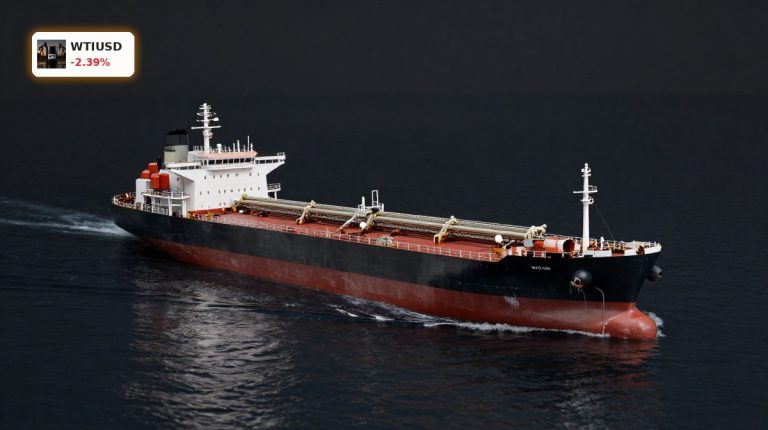
Adding fuel to the fire, President Donald Trump announced on Truth Social that the U.S. is officially reinstating “The Iranian Blockade” to prevent Iranian vessels and their customers from transiting the Strait of Hormuz. In a highly controversial move, Trump declared that the U.S. would act as the “Guardian of the Hormuz Strait” and impose a 20% fee on all eligible cargo shipped through the waterway to cover security costs. With the average supertanker carrying cargo valued at $140 million, this toll could translate to a staggering $28 million fee per transit.
Maritime intelligence firms reported that vessel traffic through the strait has already plunged to single digits, down from the typical 30 to 40 daily transits observed last week. Analysts at Rabobank noted that while the market previously viewed Hormuz tensions as manageable due to high global inventories and lower Chinese demand, a prolonged shutdown of this critical choke point will inevitably force spot prices higher. Meanwhile, shipping giants like Hapag-Lloyd saw their stock prices rise on expectations of surging freight rates, while airline stocks like Lufthansa plummeted under the weight of rising fuel costs.
How is Wall Street responding to the energy shock?
The sudden surge in energy costs sent shockwaves through the broader financial markets. On Wall Street, major indexes traded firmly in negative territory, with the tech-heavy Nasdaq leading the decline as investors worried that rising oil prices would reignite inflation and force central banks to keep interest rates higher for longer. The 10-year Treasury yield climbed past 4.60% as bond prices tumbled.
However, the energy sector emerged as a major bright spot. Investment banks are quickly reshuffling their portfolios to capitalize on the shifting landscape. For instance, Goldman Sachs updated its top picks for the energy sector, highlighting Chevron and ConocoPhillips as prime rebound candidates due to their robust cash flows. Goldman Sachs also expressed strong conviction in independent power producer Talen Energy, issuing a price target of $499, representing a 36% upside, as surging AI data center expansion drives domestic electricity demand alongside rising fossil fuel costs.
Related Coverage
We are reinstating the THE IRANIAN BLOCKADE, so named because it is only stopping Iran’s ships or customers from entering or leaving. All other countries will have fair and open use of the Strait.— Donald Trump
For a deeper dive into how maritime bottlenecks are altering the global energy landscape, read our analysis on the WTI Hormuz Escalation: 14 Tankers Trigger Oil Warning, which details the immediate structural threats to crude flows. Additionally, the broader commodity market is experiencing highly volatile swings; check out our XAGUSD Silver Analysis +3.2% Rally Faces Key Test to understand how precious metals are reacting to the surging U.S. dollar and shifting macroeconomic expectations.