Can a ceasefire-driven WTI Oil Pullback really last, or is the oil market setting investors up for another violent reversal?

What’s Driving the WTI Oil Pullback?
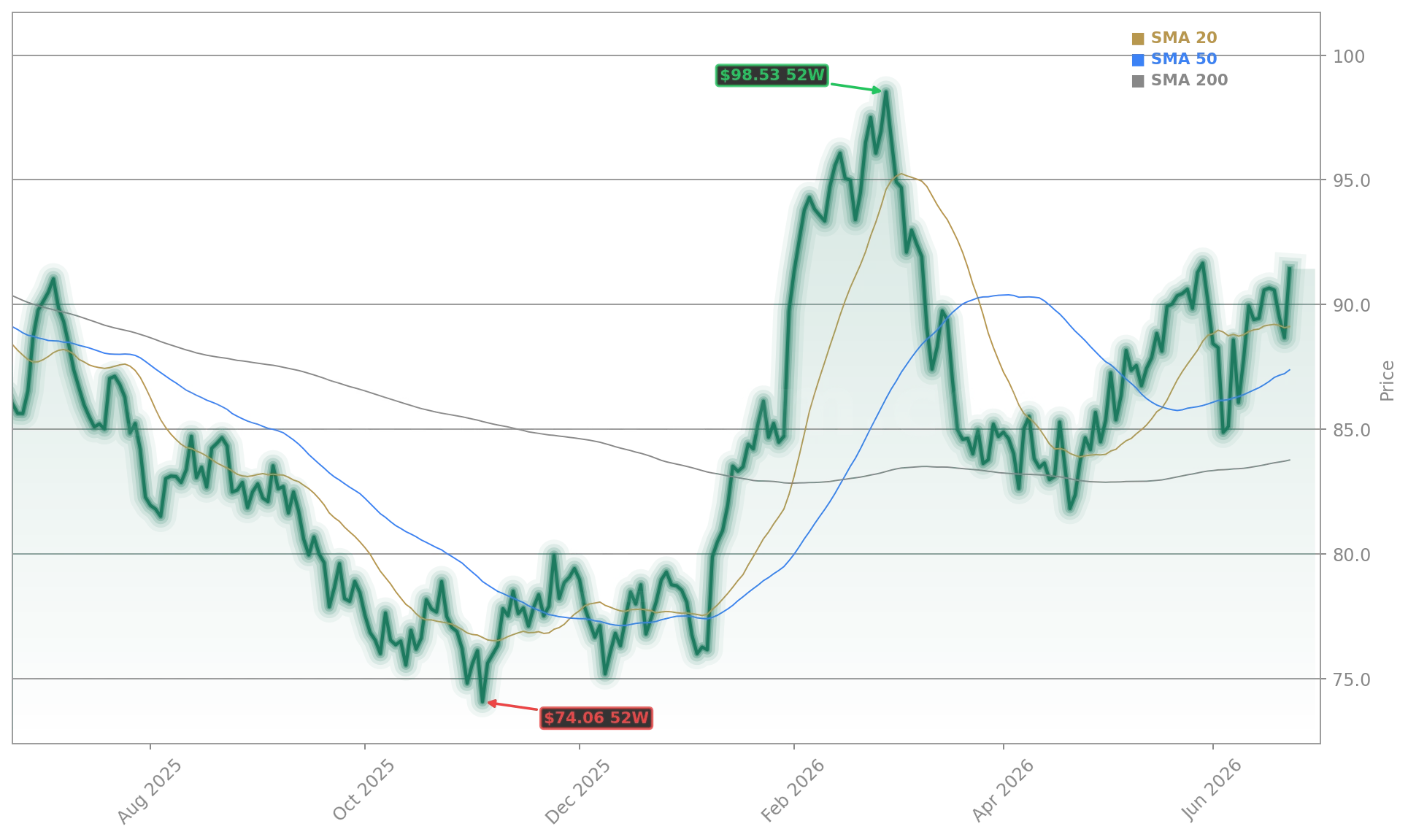
The WTI Oil Pullback isn’t just technical — it’s geopolitical. After peaking above $120/barrel in March amid a de facto Hormuz blockade, WTI has now retraced over 40% of that spike. The catalyst? A fragile but operational ceasefire agreement between the U.S. and Iran, confirmed by the International Maritime Organization’s announcement that security guarantees now allow over 11,000 seafarers to evacuate the Persian Gulf. While Iran’s parliamentary speaker insists the Strait will ‘never return to what it was before the war,’ tanker activity has surged: Very Large Crude Carrier (VLCC) charter rates spiked to nearly $470,000/day — proof that physical logistics, not just futures sentiment, are shifting. Still, over 1,150 vessels remain stranded, per Allianz estimates, meaning full normalization could take weeks.
How Are Energy Stocks Reacting?
U.S. integrated majors like Exxon Mobil and Chevron are seeing muted equity reactions — down just 0.3% and 0.5%, respectively — as investors weigh lower near-term refining margins against long-term production stability. Meanwhile, refiners such as Valero Energy (VLO) and Marathon Petroleum (MPC) are quietly benefiting: diesel prices fell to $4.98/gallon nationally, the lowest since mid-March, per the American Automobile Association. That’s a direct tailwind for transportation and logistics firms — including Tesla’s energy-integrated freight partners — whose fuel costs constitute 35–40% of operating expenses. Citigroup analysts note that ‘a sustained sub-$75 Brent environment could lift refining margins by 8–12% sequentially in Q2.’
What Does This Mean for Inflation and the Fed?
The WTI Oil Pullback is landing at a critical juncture for U.S. monetary policy. With diesel and gasoline prices retreating from April’s $5.69/gallon peak, the Fed’s next inflation report — due July 11 — may show cooling in transportation and shelter-related CPI subcomponents. Bloomberg Economics estimates this WTI Oil Pullback alone could shave 0.12 percentage points off headline CPI over the next two months. That’s meaningful context for the Federal Reserve’s upcoming July 29 meeting — especially as 10-year Treasury yields dipped to 4.45%, down 5 basis points on the day. Morgan Stanley warns, however, that ‘volatility remains high: Trump’s contradictory Truth Social statements on Hormuz tolls and nuclear inspections — versus Tehran’s firm denials — mean any breakdown in talks could reverse this pullback within 48 hours.’
Who Wins and Loses From Lower Oil?
Winners are clear: airlines, trucking firms, and consumer discretionary names like Apple and NVIDIA, whose supply chains rely on stable freight costs. Enverus analysts project Brent will find a floor near $75 — not $65 — citing persistent vessel shortages and Qatar’s delayed LNG restart (Ras Laffan remains offline). Losers include oil-service stocks like Schlumberger (SLB), down 2.1% today, and high-beta energy ETFs like XLE, which posted its worst single-day loss since April. Notably, the S&P 500 energy sector is now down 4.7% year-to-date — underperforming the broader index by 320 basis points. RBC Capital Markets maintains its ‘Underperform’ rating on Occidental Petroleum (OXY), citing ‘limited pricing optionality in a sub-$73 WTI environment.’
Is This Pullback Sustainable?
A sustained sub-$75 Brent environment could lift refining margins by 8–12% sequentially in Q2.— Citigroup analysts
Yes — but with caveats. Brent’s slide to pre-war levels ($70–$72) remains unlikely before Q3, per dpa-AFX reporting. Qatar’s Prime Minister confirmed LNG production will resume ‘within a few weeks,’ but Force Majeure clauses remain in place until ‘all questions are resolved.’ Meanwhile, Asian refiners — having bought aggressively over three weeks — have pulled back on Middle Eastern crude tenders, allowing majors like Shell and Mercuria to absorb surplus barrels. The market’s next test arrives Friday, when the U.S. EIA releases its weekly petroleum inventories report — a key signal on whether demand destruction or supply re-entry is dominating.