Will the escalating crisis in the Strait of Hormuz trigger a systemic global diesel shortage that Wall Street cannot ignore?

Why is the Strait of Hormuz in crisis?
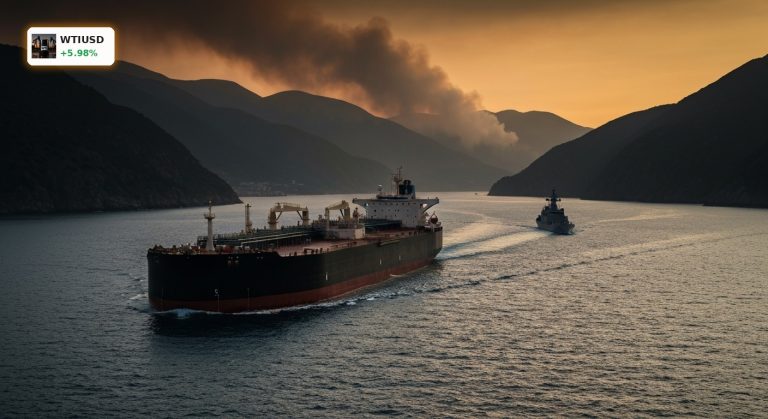
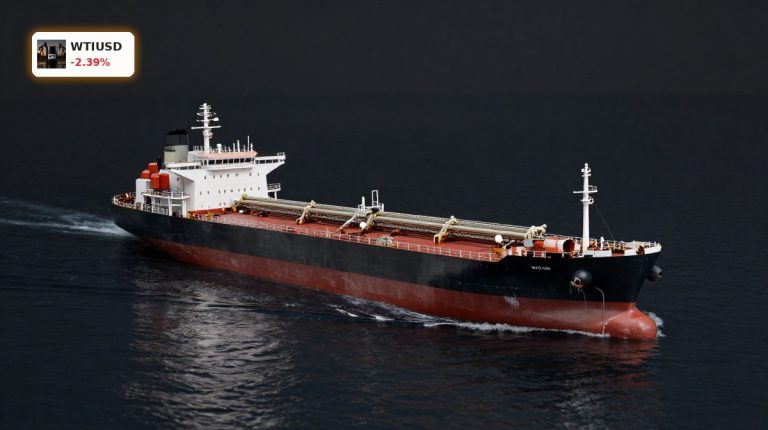
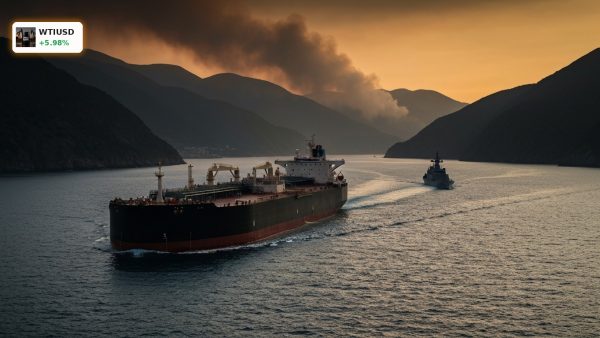
The fragile ceasefire between Washington and Tehran has completely deteriorated, leading to a dangerous escalation spiral in the Persian Gulf. Following a series of military strikes, the United States reimposed a naval blockade around Iranian ports, effectively shutting down commercial vessel traffic through the Strait of Hormuz. This critical chokepoint normally handles approximately 20 percent of the world’s seaborne petroleum, making its closure a major shock to global logistics.
Adding fuel to the fire, the Iran-backed Houthi rebels in Yemen recently declared an immediate maritime embargo against Saudi Arabia. This directly threatens Saudi Arabia’s crucial Red Sea bypass route, which previously allowed the kingdom to export 4.5 million barrels per day away from the Iranian threat. Energy analysts at Commerzbank warn that if the Bab al-Mandab Strait is also blocked, crude prices will face severe upward pressure. Currently, West Texas Intermediate (WTI) crude is trading around $82.89 per barrel, reflecting a heavy geopolitical risk premium.
Will the Oil WTI Diesel Shortage Hit Wall Street?
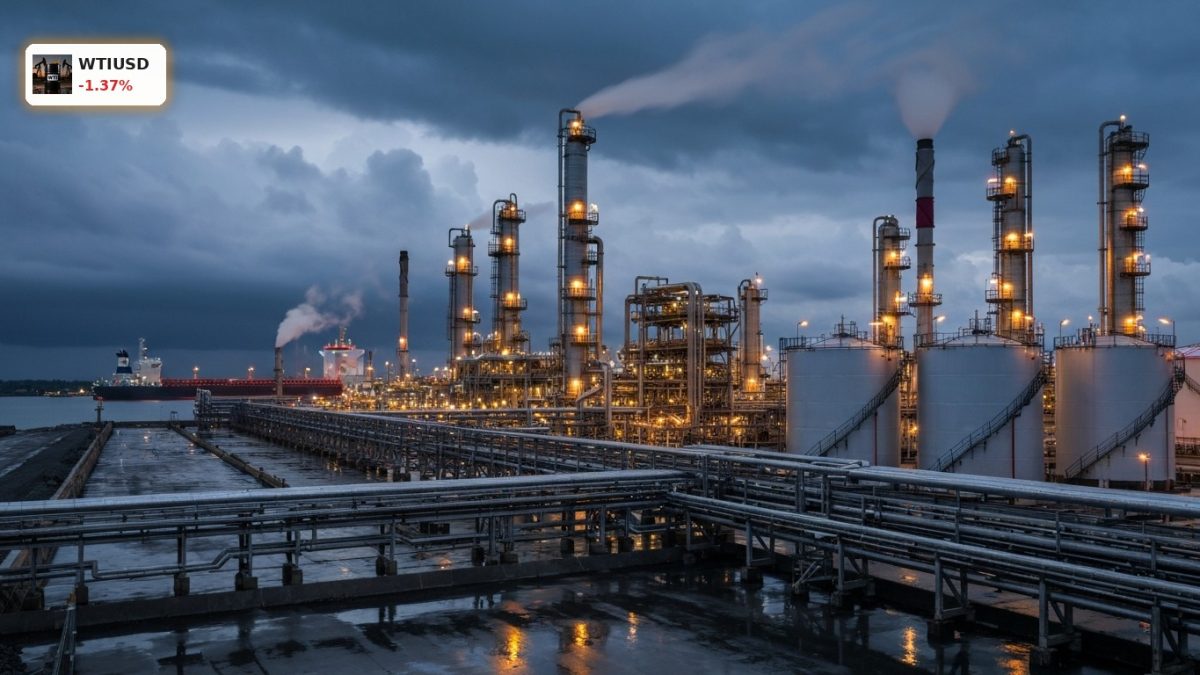
While crude oil prices draw the headlines, investment banks warn that the most acute crisis is brewing in refined products. Analysts at Morgan Stanley have sounded the alarm on an impending Oil WTI Diesel Shortage, particularly pointing to Europe as the epicenter of the crisis. According to their projections, European diesel stockpiles are on track to plunge to their lowest seasonal levels since 2015 by the end of the year.
This refining bottleneck is exacerbated by several global headwinds. Ukrainian drone strikes on Russian refineries have severely limited global output, while Russia has implemented a strict diesel export ban. Simultaneously, China has reduced its crude processing rates due to weak domestic refining margins, leaving fewer refined products available on the global market. Because diesel is the logistical lifeblood of heavy industry, transportation, and agriculture, any prolonged Oil WTI Diesel Shortage will rapidly translate into higher transport costs and renewed consumer price index (CPI) pressure, directly impacting corporate margins on Wall Street.
How should US investors position portfolios?
For American investors, the unfolding energy shock presents both risks and tactical opportunities. Major energy conglomerates like Chevron and Exxon Mobil stand to benefit from elevated commodity prices and strong refining spreads. In Europe, integrated energy giants such as OMV and Verbund are already seeing positive stock momentum, supported by rising oil benchmarks and local power demand.
The actual bottleneck in the oil system is currently in refining—and even more so than with crude oil.— Martijn Rats, Morgan Stanley
However, the broader market implications are more complex. Analysts at Goldman Sachs suggest that elevated fuel costs will weigh heavily on consumer sentiment and retail spending, potentially forcing the Federal Reserve to maintain a higher-for-longer interest rate stance. This macroeconomic headwind has already triggered volatility in high-growth sectors, particularly impacting the NASDAQ and major semiconductor stocks, even as financial institutions report resilient quarterly earnings. Investors must balance the short-term gains in energy stocks against the broader threat of inflation-driven market corrections.