Can Rivian Layoffs really move the EV maker closer to profit, or do they signal deeper trouble ahead for the R2 launch?

What Do Rivian Layoffs Mean for Profitability?
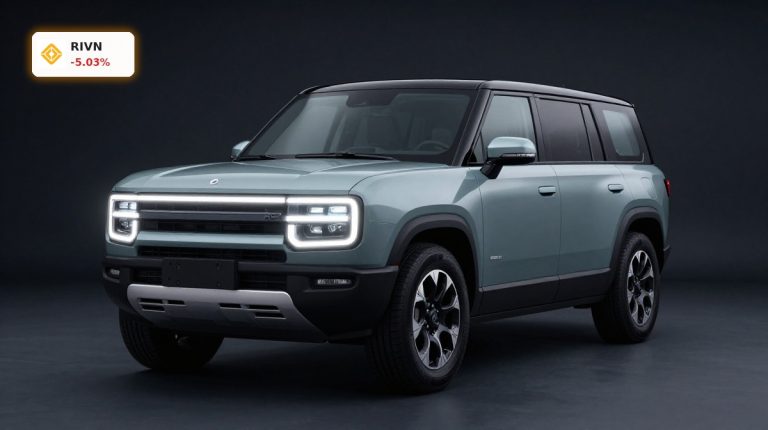
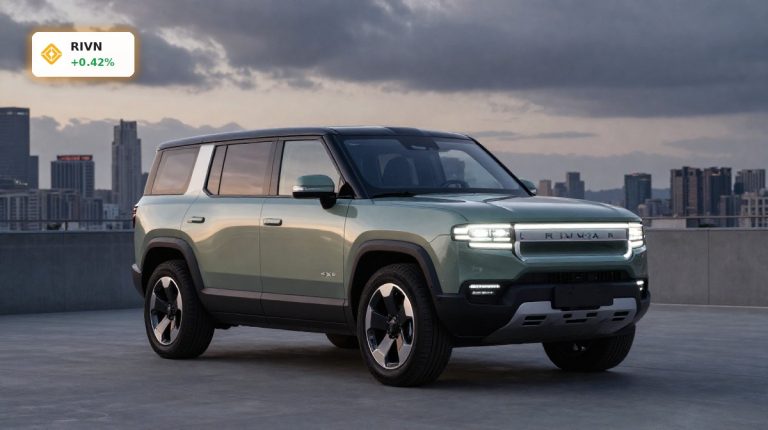
Rivian Automotive, Inc. cut hundreds of employees—less than 2% of its 15,232-person global workforce—effective Tuesday, June 16, 2026, according to The Wall Street Journal. The layoffs primarily impacted roles in service, sales, marketing, and customer-facing operations, reflecting a deliberate pivot toward leaner go-to-market execution. This marks Rivian’s third round of workforce reductions in the past 12 months, following cuts of ~600 employees in October 2025 and earlier adjustments in Q3 2025. The company emphasized the restructuring supports its goal to achieve consistent profitability by 2027, with the R2 SUV serving as the linchpin. While Rivian posted $5.4 billion in revenue last year, it lost $3.6 billion and delivered just 42,247 vehicles—far short of the 200,000–400,000 annual volume needed to reach breakeven.
How Does the R2 Stack Up Against Tesla and NVIDIA-Powered Competitors?
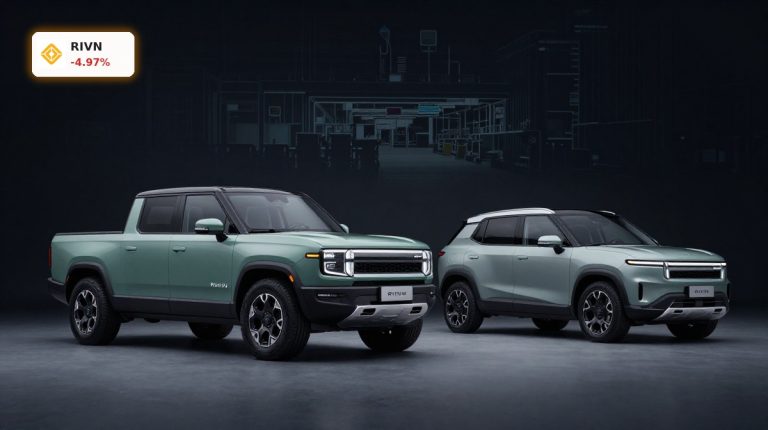
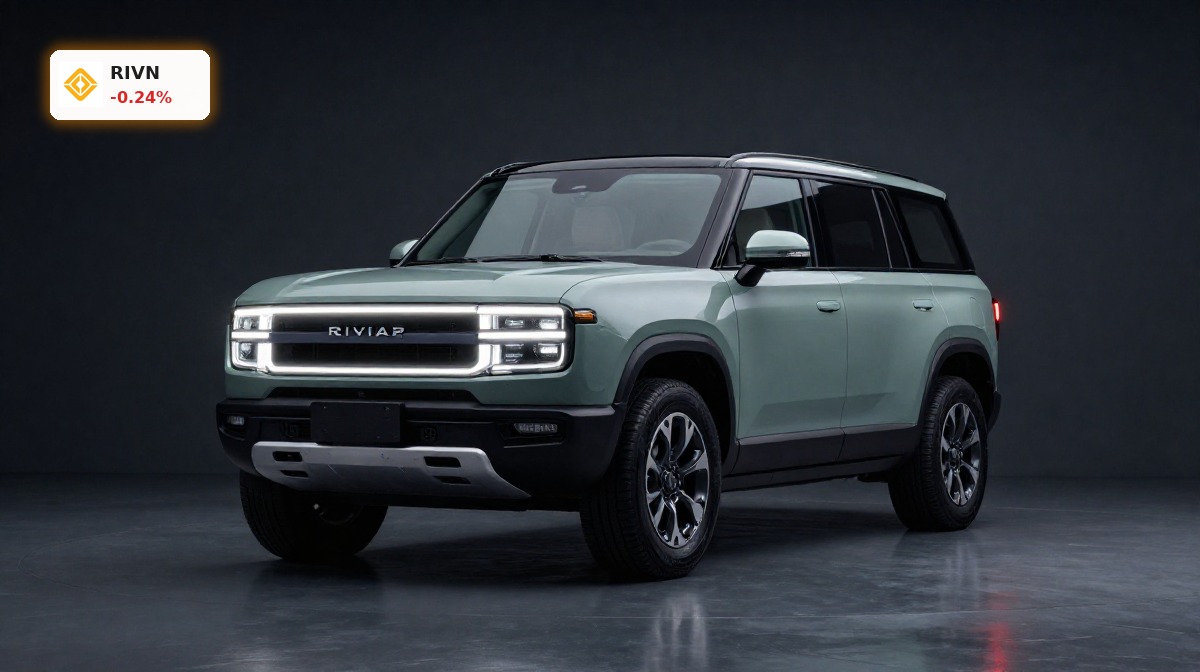
The R2’s $58,000 starting price positions it squarely against Tesla’s Model Y—the best-selling vehicle globally in 2025—but without the $7,500 federal EV tax credit for leases, early lease quotes hover near $829/month. That’s nearly double what mainstream buyers expect in the compact SUV segment. Meanwhile, competitors like Tesla and legacy OEMs are integrating advanced driver-assistance systems powered by NVIDIA’s DRIVE Orin and Thor platforms—capabilities Rivian has yet to publicly demonstrate at scale. Goldman Sachs analyst Mark Delaney recently raised his Q2 2026 delivery estimate for Tesla to 420,000 vehicles, while Rivian’s R2 contribution is projected at just 15,000–25,000 units for all of 2026. That disparity highlights the steep ramp challenge Rivian faces—not just in production, but in software-defined vehicle differentiation.
Is Rivian’s Grid-Integration Play Enough to Offset Weak Margins?
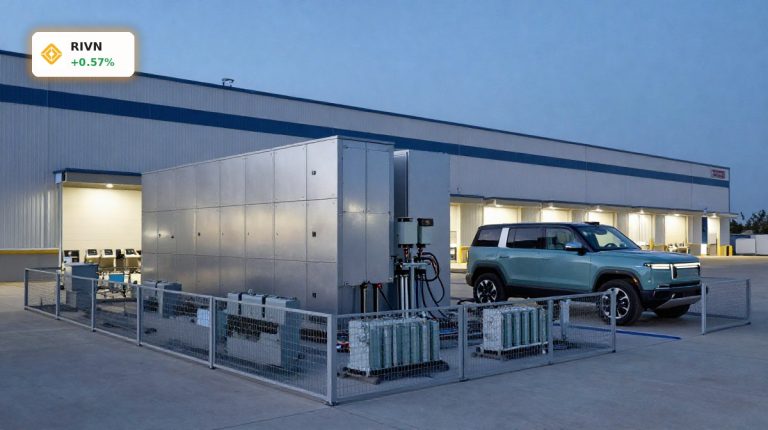
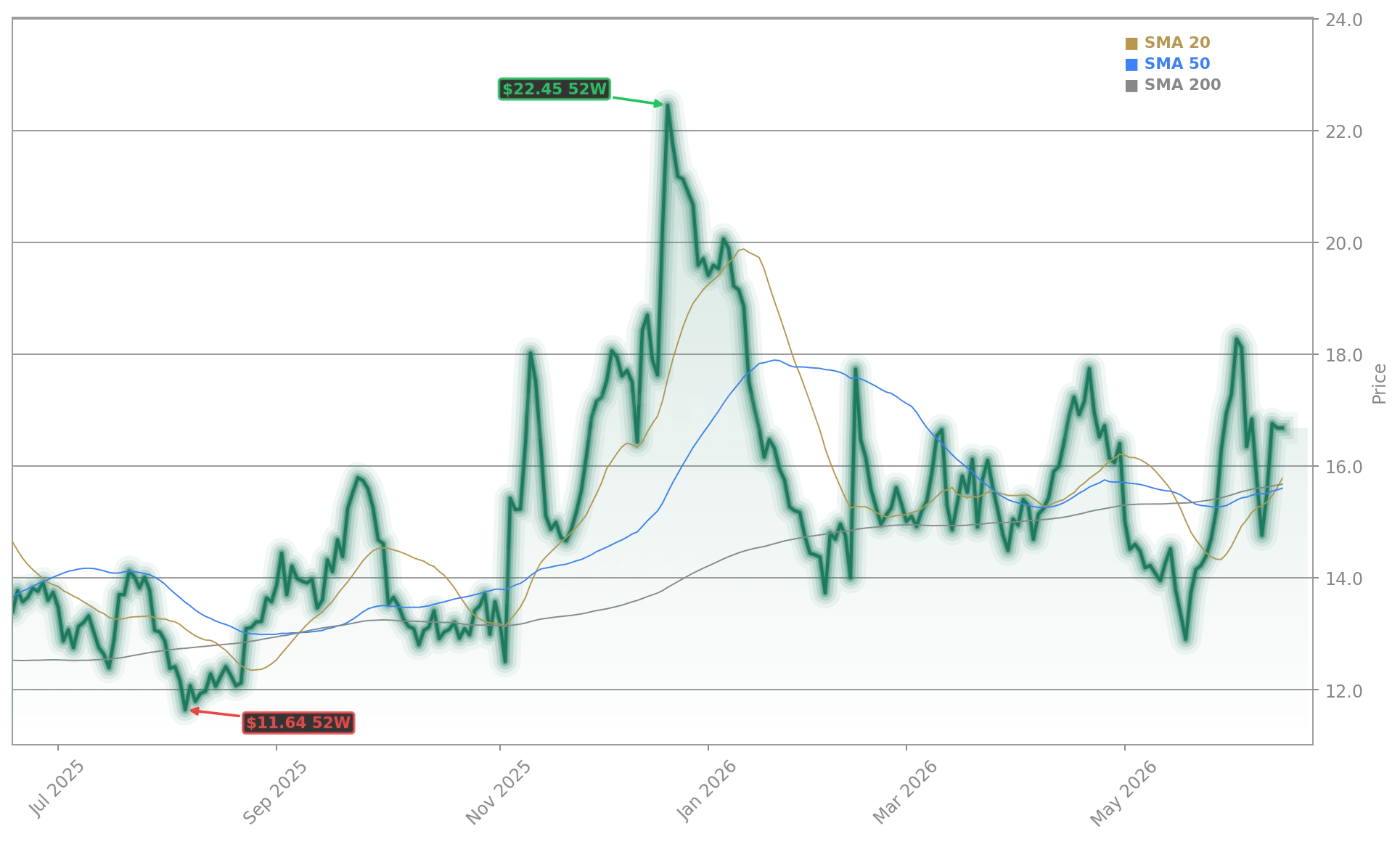
Amid the Rivian Layoffs, the company announced a strategic partnership with ChargeScape—a utility-focused vehicle-grid integration platform—to enroll Rivian EV batteries into managed-charging programs across North America. This move leverages the R2’s high-capacity battery as a flexible grid asset, potentially unlocking new revenue streams via demand-response incentives and time-of-use rate optimization. For investors, this signals a pivot toward monetizing energy services alongside hardware—similar to how utilities are partnering with Apple’s ecosystem for smart-home grid coordination. Yet, with automotive segment losses of ~$6,000 per vehicle in Q1 2026, grid services remain a long-term hedge, not a near-term profit driver. Citigroup analysts recently downgraded RIVN to ‘Neutral’ with a $14.50 price target, citing ‘insufficient margin visibility’ ahead of R2 volume inflection.
What’s Next for Rivian’s Capital Strategy and Volkswagen Partnership?
We recently restructured a handful of teams within Rivian as we work to profitably scale our business.— Rivian Automotive, Inc. spokesperson
Rivian’s $5.8 billion software partnership with Volkswagen remains intact, with winter testing of the shared platform reportedly successful. However, VW’s own cost-cutting drive—targeting €60 billion in savings by 2028—raises questions about long-term funding commitments, especially as Rivian seeks additional capital to fund R3 development and battery gigafactory expansion. RBC Capital Markets reiterated its ‘Underperform’ rating on RIVN last week, citing ‘execution risk on R2 cost targets and limited near-term catalysts beyond delivery milestones.’ Meanwhile, Rivian’s after-hours share price dipped to $16.64—down 0.24%—as investors weigh whether the latest Rivian Layoffs will meaningfully accelerate path-to-profitability timelines or merely delay inevitable dilution. The company confirmed affected employees are eligible for rehire and will receive severance and career-transition support.