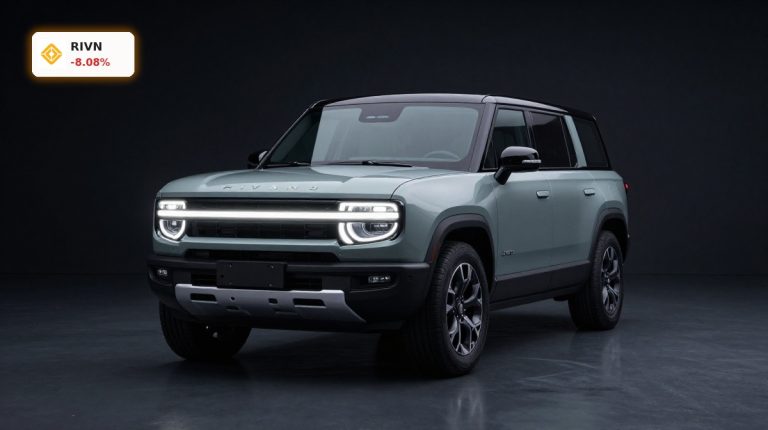
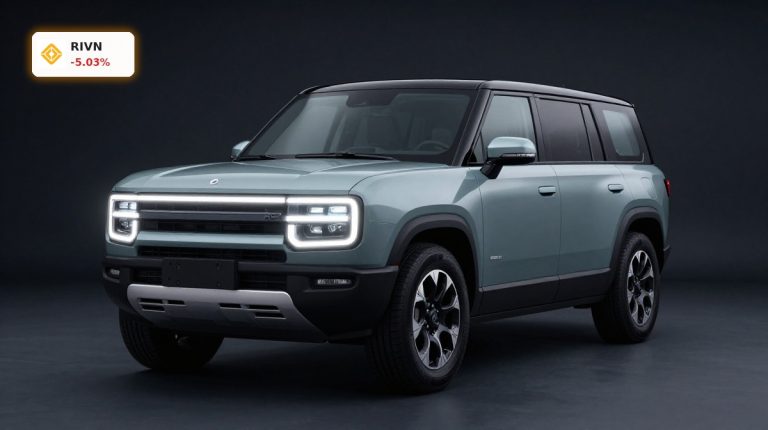
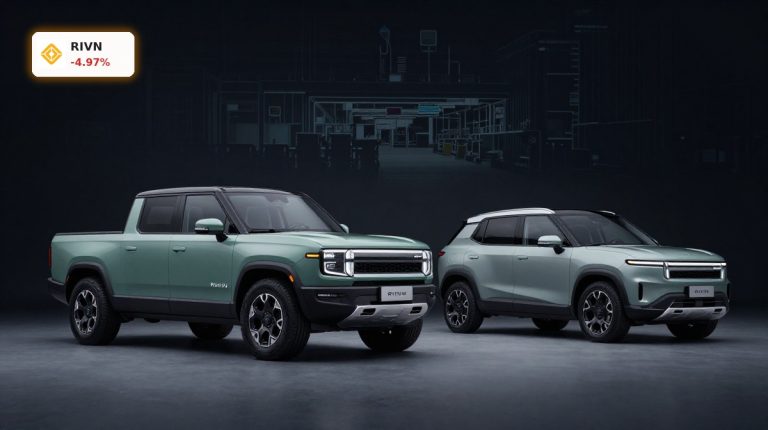
Can Rivian R2 Deliveries finally prove the EV maker can scale profitably, or is Wall Street still right to doubt the story?

What Do Rivian R2 Deliveries Mean for Wall Street?
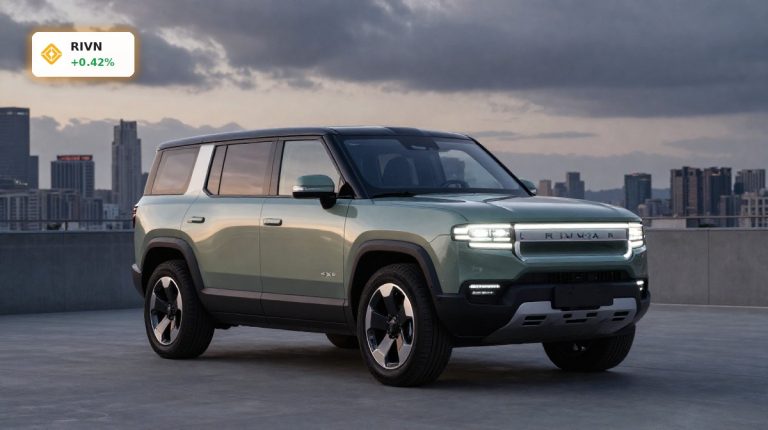
Rivian R2 Deliveries represent more than a product rollout — they’re a market test of Rivian’s viability as a scalable automaker. While Tesla dominates U.S. EV sales with the Model Y, Rivian now targets the $45,000–$58,000 sweet spot, just above the national average vehicle price of $49,000. Analysts at Barclays maintain a Hold rating on Rivian with a $14.00 price target, citing execution risk despite strong reservation demand. Meanwhile, RBC Capital Markets recently upgraded its outlook to Outperform, citing the R2’s structural cost advantages — including a 50% reduction in build material costs versus the R1S — and its potential to generate positive vehicle-level cash flow starting in 2026.
How Does R2 Stack Up Against Mainstream Rivals?
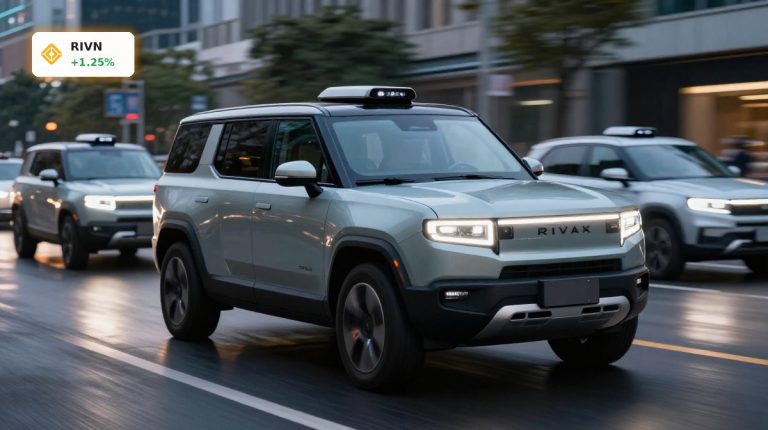
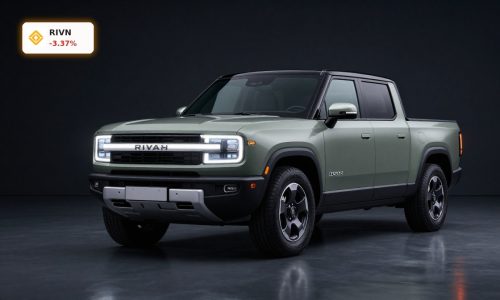
Rivian isn’t just competing with EV peers — it’s aiming squarely at legacy brands like Jeep and Subaru. At 115.6 inches wheelbase and 9.6 inches of ground clearance, the R2 delivers class-leading off-road capability while weighing nearly 2,000 lbs less than the R1. Its EPA-estimated 330-mile range (R2 Performance) and 3.6-second 0–60 mph time rival the top-tier trims of Apple-powered EVs and undercut the entry price of many premium SUVs. Crucially, Rivian’s vertically integrated software stack — including AI-powered Rivian Assistant and Universal Hands-Free driving across 3.5 million miles — positions it closer to NVIDIA-enabled platforms than traditional OEMs. That differentiation matters as S&P 500 investors reassess exposure to hardware-led versus software-defined auto valuations.
Why Did Rivian Accelerate the $45,000 R2 Model?
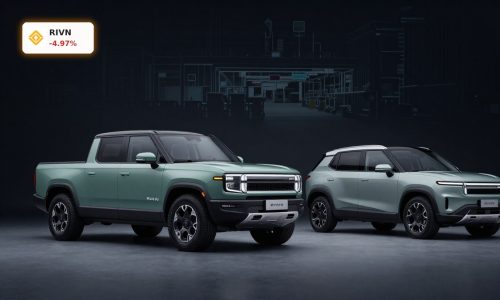
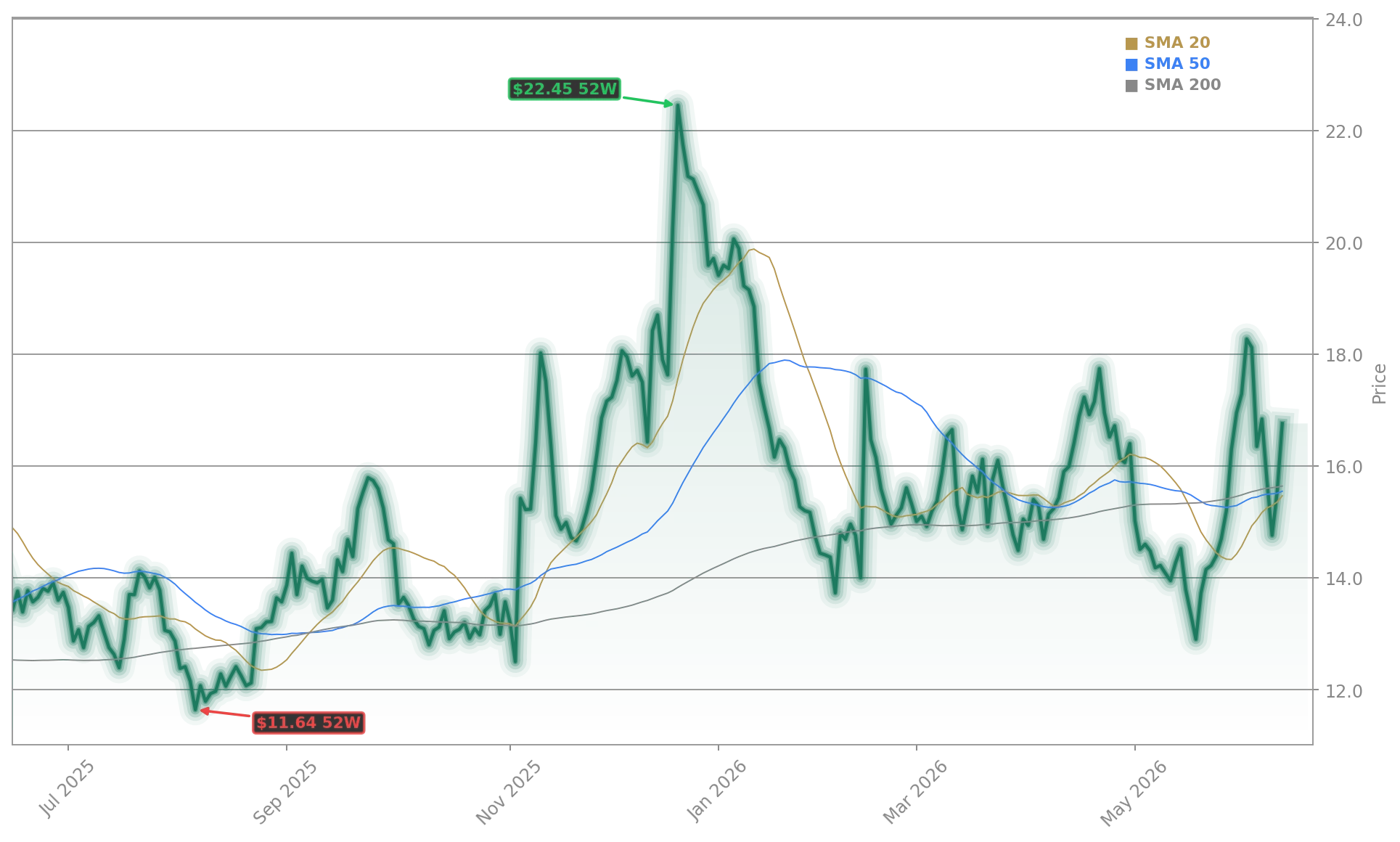
After intense online backlash over perceived pricing delays, Rivian moved its base R2 Standard launch from late 2027 to summer 2026. CEO RJ Scaringe acknowledged the optics mattered: “As much as the base trim gets a lot of attention, very few people actually end up buying it… but it generates so much noise.” Still, the decision underscores Rivian’s focus on perception management amid a 67% 12-month stock decline — the steepest among major U.S. auto names. The $44,990 model, now slated for Summer 2027, remains the entry point, but the accelerated $48,490 RWD Long Range trim (early 2027) and $53,990 Premium model (late 2026) anchor near-term revenue. All R2 trims are contractually engineered to be gross margin positive — a stark contrast to the $6,000 per vehicle loss Rivian reported in Q1 2026.
What Role Does Georgia Play in Rivian’s Profitability Timeline?
This is a requirement. Every single vehicle is gross margin positive.— RJ Scaringe, Founder and CEO of Rivian
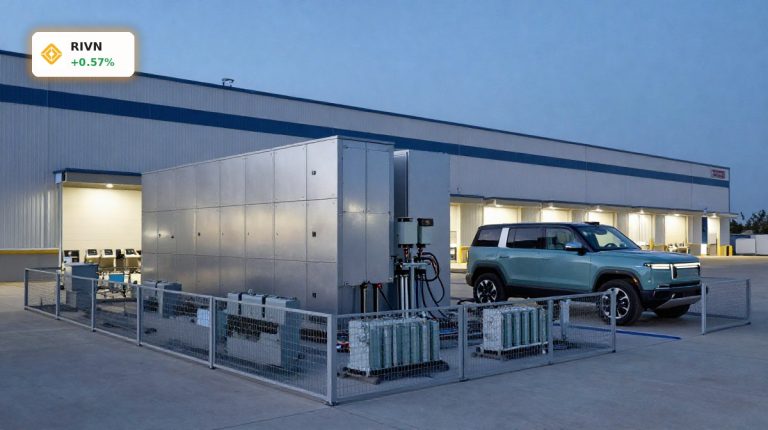
Rivian R2 Deliveries from Normal, Illinois, will ramp to ~160,000 units annually — but full gross margin profitability hinges on the Stanton Springs, Georgia facility, slated to begin production in late 2028. That plant will add 300,000 units of annual capacity, enabling economies of scale Rivian lacks today. Until then, cash flow hinges on R2’s unit-level positivity — and on reducing burn. With $3.6 billion in 2025 losses and no revised 2027 profitability target, investors are watching closely. Volkswagen’s 15.9% stake and Amazon’s strategic partnership lend credibility, but Wall Street demands tangible progress. As Rivian R2 Deliveries scale, the company’s ability to convert reservation holders into paying customers — especially outside California and EV-dense corridors — will define its NASDAQ trajectory.