
Can ServiceNow AI Strategy turn a sharp sell-off into a longer-term growth re-rating for enterprise software investors?

Why is ServiceNow AI Strategy resonating?
ServiceNow, Inc. has emerged as one of the clearest beneficiaries of the market’s changing view on enterprise software. Earlier this year, many investors feared that agentic AI would undermine software-as-a-service models by replacing parts of the workflow stack. That pressure hit ServiceNow despite solid execution. Now the narrative is shifting. The company’s answer has been its ServiceNow AI Strategy, centered on embedding AI into core workflow automation and using Control Tower to oversee AI agents and connected services across the enterprise.
That matters because ServiceNow is already deeply embedded in customer operations. With more than 8,800 clients and long-term workflow integration across large organizations, the platform is not easily displaced. Bank of America analyst Tal Liani recently initiated coverage with a buy rating, arguing that ServiceNow’s installed position and AI portfolio could translate directly into revenue growth. On Wall Street, that is a more powerful argument than broad fears about software disruption.
Can ServiceNow outgrow the SaaS fears?
The latest operating metrics support the bull case. Revenue rose 23% year over year, remaining performance obligations climbed 25%, adjusted operating margin reached 33%, and adjusted free cash flow margin came in at 44%. Management also guided to similar revenue growth ahead, with a 32% adjusted operating margin and a 35% adjusted free cash flow margin. Those figures suggest the business is still scaling efficiently even as the market debates how AI will reshape software spending.
Recent software sector trading also reinforces that backdrop. A broad rally across enterprise software followed strong results from companies including Snowflake and Dell, helping investors reconsider the so-called SaaSpocalypse thesis. Coverage from Yahoo Finance, TradingView, and Benzinga all highlighted the same turning point: AI is increasingly being viewed as an accelerator for enterprise software demand rather than a destroyer of legacy platforms. That change has lifted sentiment not only around ServiceNow but also around peers such as Salesforce and Palantir.
How does ServiceNow compare on valuation?
For US investors, valuation is becoming part of the story. In one recent comparison with Palantir, ServiceNow stood out for a lower forward earnings multiple, stronger absolute free cash flow, and a more conservative risk profile. ServiceNow generated $4.58 billion in free cash flow in fiscal 2025 and maintained a 98% renewal rate, with current remaining performance obligations of $12.85 billion rising 25% year over year. It also ended the year with 603 customers generating more than $5 million in annual contract value.
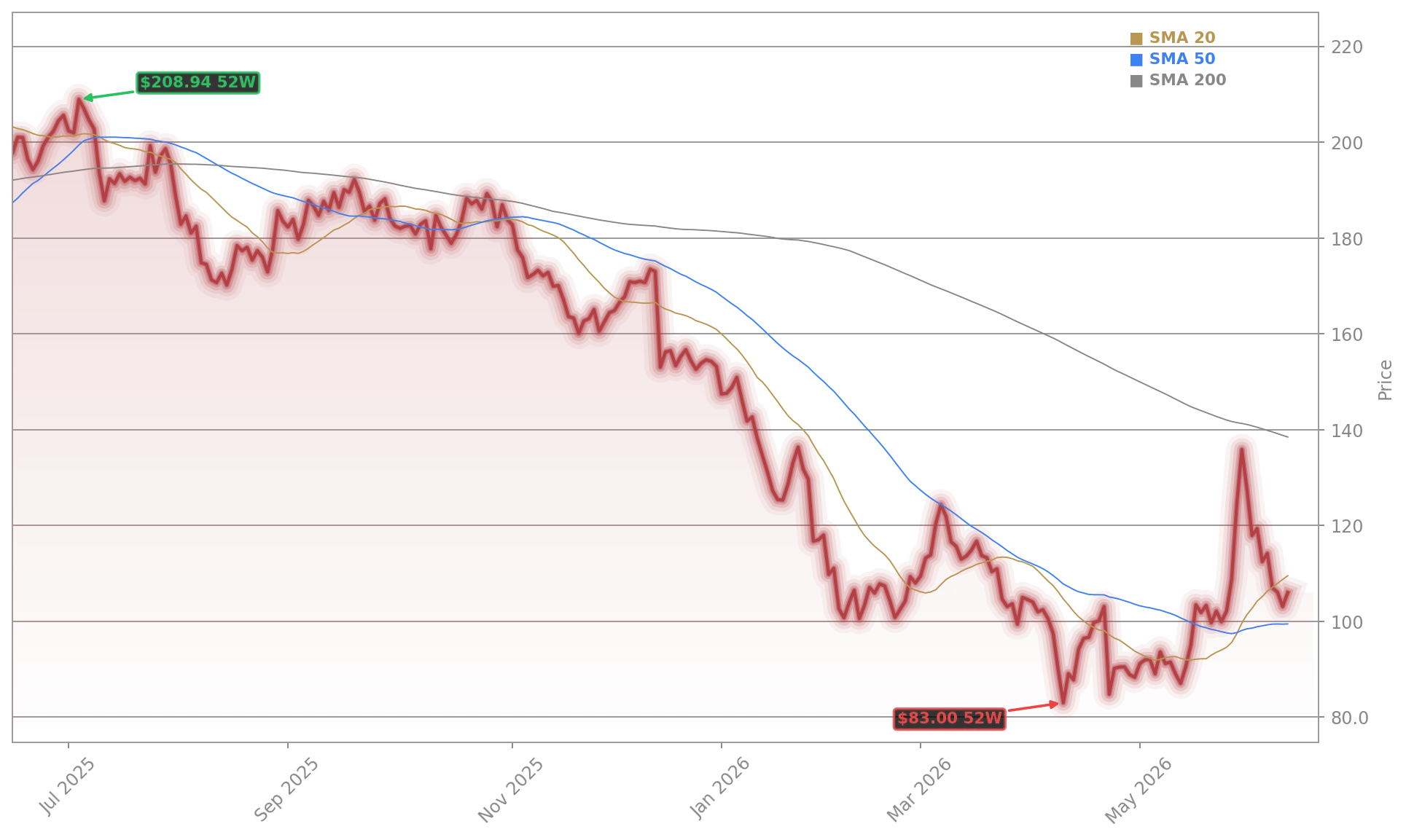
The board’s additional $5 billion buyback authorization in January 2026 adds another support layer. Even after the stock’s sharp moves this year, that capital return plan signals confidence in the durability of the business model. The key question for portfolios is whether the recent rally was only a short-covering bounce or the start of a more sustained re-rating driven by the ServiceNow AI Strategy. With strong contracted revenue, high renewal rates, and expanding AI functionality, the company looks better positioned than many software names that are still trying to define their AI use case.
Related Coverage: Investors tracking the recent turnaround can also read this analysis of the ServiceNow AI re-rating and rally momentum, which explores whether the rebound has room to continue after the sector’s sharp reversal. The piece adds useful context on how sentiment shifted from AI fear to AI optimism, and why ServiceNow’s positioning within enterprise workflows may matter more than short-term volatility.
ServiceNow is so embedded in the workflow that now that they have the right portfolio to address AI, they could actually turn it into revenue growth.— Tal Liani
The latest pullback does not erase the bigger setup. The ServiceNow AI Strategy is giving Wall Street a credible framework for durable growth, not just hype. If management keeps converting AI adoption into bookings, margins, and cash flow, ServiceNow could remain one of the software sector’s most compelling rebound stories through the rest of 2026.