
Will the latest technical setback for the massive rocket platform permanently derail the stock’s post-IPO momentum?

Why Did the SpaceX Starship Launch Fail?
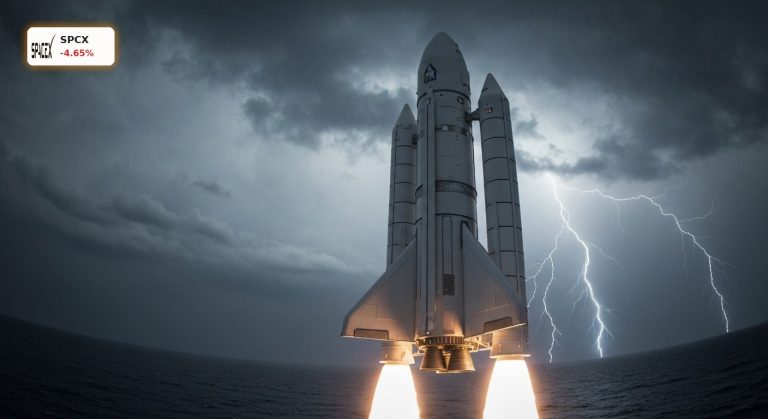
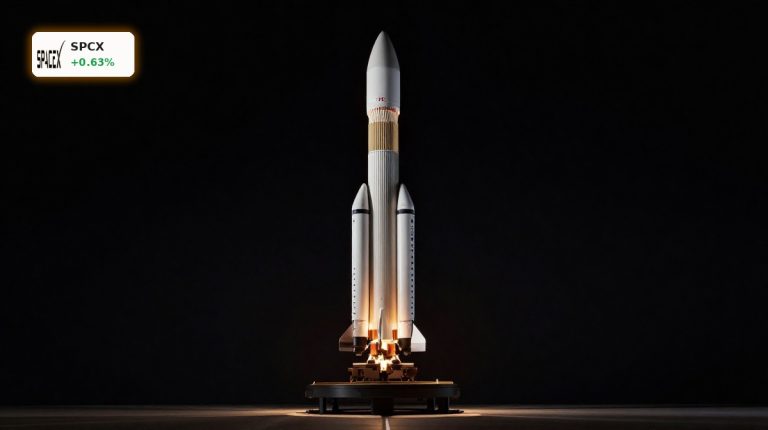
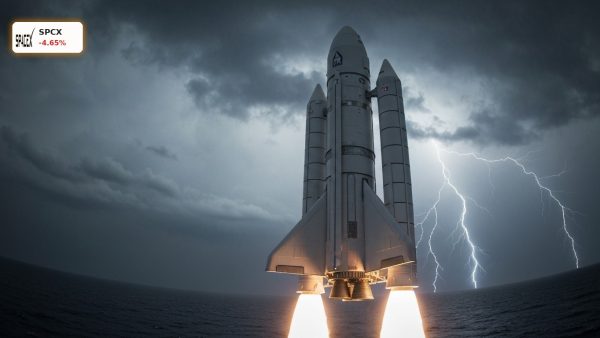
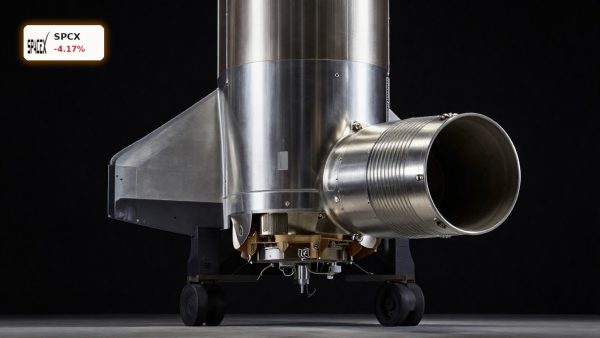
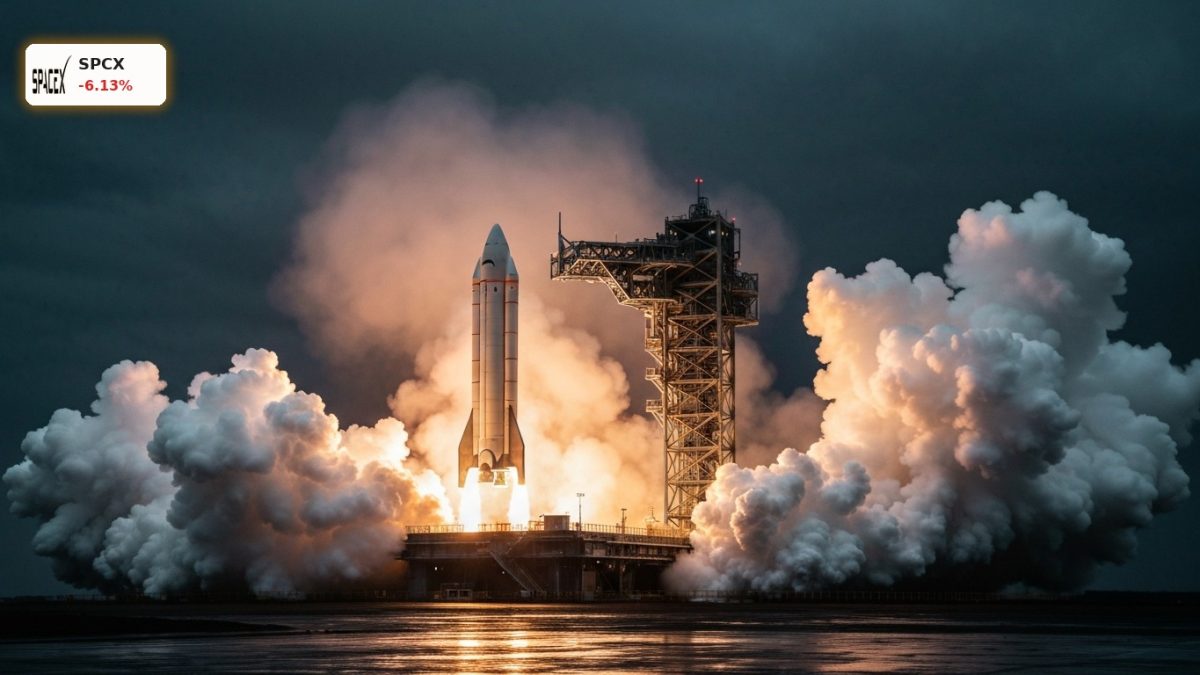
The 124-meter-tall heavy-lift vehicle was poised for liftoff from the company’s Starbase facility in South Texas during a 90-minute window starting at 6:45 p.m. ET. However, just moments before ignition, the automated flight computers triggered a launch abort. CEO Elon Musk later confirmed on the social media platform X that the scrub was necessary because several of the rocket’s engines failed to start properly. Ground crews immediately began offloading propellant, and Musk expressed hope that the team would be ready for another launch attempt within a few days.
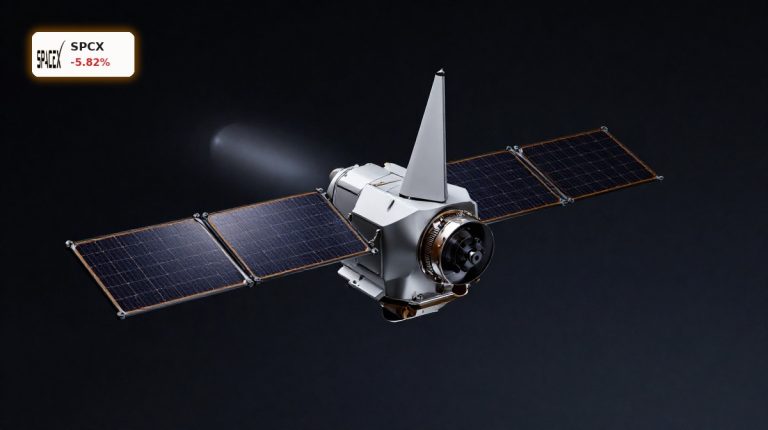
This mission was particularly critical as it was slated to be the first orbital-class test of the upgraded Version 3 vehicle since SpaceX Corporation completed its blockbuster initial public offering. Unlike previous flights that carried dummy payloads, this vehicle was loaded with 20 operational, next-generation Starlink V3 satellites. These satellites are designed to integrate directly into the existing constellation using advanced laser communication links. Because these larger satellites are too heavy for the older Falcon 9 fleet, the commercial viability of the Starlink expansion remains entirely dependent on the success of the SpaceX Starship platform.
How Is Wall Street Reacting to the Volatility?
The technical setback immediately spilled over into the financial markets, sending the stock down more than 3% in extended trading to $126.98, falling below its initial public offering price of $135. This decline marks a steep correction from the post-IPO peak of over $225 achieved just weeks ago. The rapid drop has also dragged Elon Musk’s personal net worth back below the trillion-dollar milestone, with Forbes now estimating his wealth at approximately $838 billion.
Market participants are growing increasingly nervous about an upcoming lockup expiration. While only 5% of the company’s 13 billion outstanding shares are currently trading in the public float, an estimated 11% of the total shares are scheduled to become eligible for trading around the upcoming second-quarter earnings release in August. This looming supply of shares has attracted aggressive short sellers. According to data from S3 Partners, short interest has surged to 185 million shares, representing roughly 29% of the free float and reflecting a massive $25 billion bearish bet against the aerospace giant.
What Are Analysts Saying About the Long-Term Valuation?
Despite the current market turbulence, Wall Street analysts remain sharply divided on the company’s long-term trajectory. Bullish analysts view the current dip as a prime buying opportunity. For instance, Citigroup maintains a highly optimistic long-term price target of $900, pointing to the massive addressable market for global satellite connectivity. Similarly, Raymond James recently initiated coverage with a Strong Buy rating and an $800 price target, calling the heavy-lift rocket the defining industrial innovation of this generation.
Conversely, more conservative institutions urge caution. Goldman Sachs has established a much lower 2030 base-case valuation of $470 billion, focusing on steady execution rather than speculative growth. Skeptics point out that trading at a trailing price-to-sales ratio of nearly 96 is exceptionally high, especially for a capital-intensive business that posted a massive net loss last quarter. Many institutional investors prefer established tech giants like NVIDIA or hyper-growth semiconductor manufacturers like Micron Technology, which offer rapid revenue growth at a fraction of the valuation premium currently demanded by the market.
Related Coverage
Some of the engines didn’t start, triggering an automatic launch abort. Next launch attempt hopefully in a few days.— Elon Musk
For a deeper look at the post-listing market dynamics of this aerospace giant, read our analysis on how the SpaceX IPO Drops -4.7%: Is the Wall Street Hype Fading? as the stock continues to feel the pressure of heavy valuation demands. Meanwhile, other infrastructure providers supporting the broader technology boom are also facing post-earnings volatility, as detailed in Vertiv Earnings: Stock Drops 3.5% Despite Record $15B Backlog, showing that even robust demand cannot always shield high-flying tech stocks from sudden market corrections.