
Can a Nasdaq-100 debut lift SpaceX, or is Wall Street already fixated on the company’s massive funding risk?

What Drove the Nasdaq-100 Inclusion and Immediate Sell-Off?
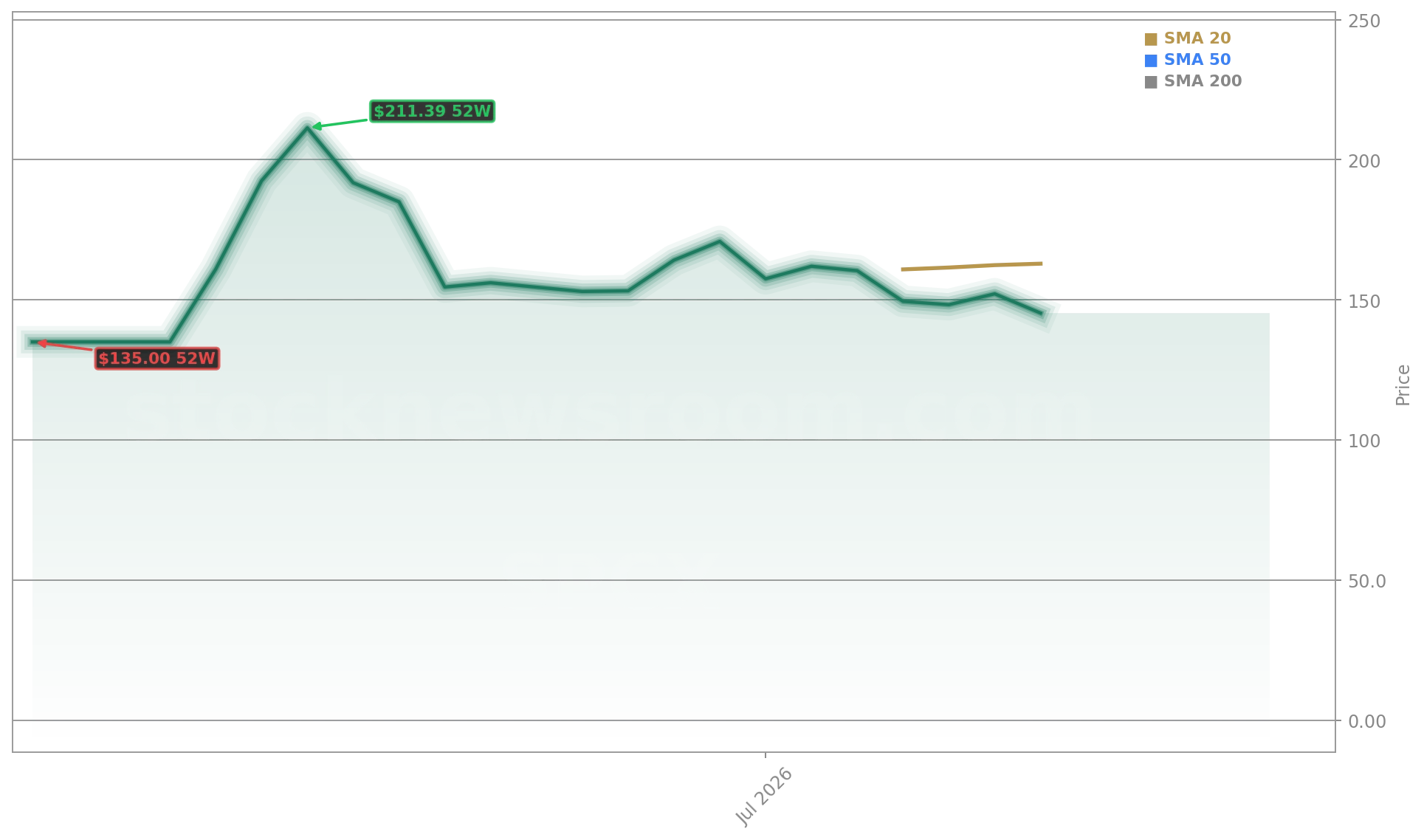
This week’s defining event was SpaceX’s official inclusion in the Nasdaq-100 Index on Tuesday, July 7—a milestone achieved in record time and expected to force over $27 billion in passive buying from ETFs and index funds. Yet the stock fell 12.4% from Monday’s open of $165.95 to Friday’s close at $145.30, hitting a weekly low of $145.07. The disconnect was stark: while index inclusion typically fuels rallies, the move coincided with the public emergence of Morgan Stanley’s sobering $672 billion funding warning and growing concerns over governance, execution risk, and the timing of massive capital outlays. The Tuesday drop of -6.8% and Friday’s -4.5% outlier moves were directly tied to these dual pressures—investors buying the index mandate while rapidly re-pricing the company’s near-term capital intensity and governance structure.
SpaceX Weekly Recap: What Were the Top Themes?
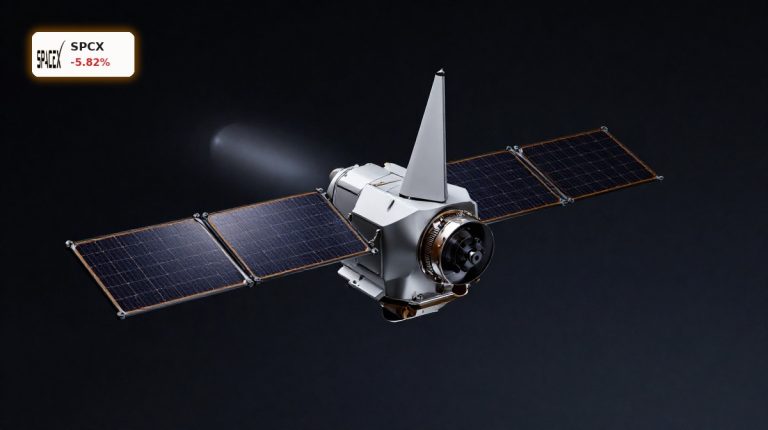
Three interlocking themes dominated analyst and media coverage. First, the AI infrastructure pivot accelerated, with Elon Musk declaring “Space is the only way to scale at scale” and unveiling the AI1 satellite design for the Starmind constellation. JPMorgan’s initiation report projected 91% annual revenue growth through 2030, driven not by launches but by orbital compute—forecasting $470 billion in revenue by 2030. Second, governance scrutiny intensified: Jeremy Grantham called the IPO “the craziest in the history of man,” while Harvard Law’s Lucian Bebchik warned the dual-class structure gives Musk indefinite control over capital allocation. Third, global competition escalated, as China successfully recovered a Long March 10B booster, validating NASA Administrator Jared Isaacman’s warning of a “very much” active space race. Analysts weighed in decisively: BofA Securities set a $235 price target, RBC Capital a $225 target, and Cantor Fitzgerald a $246 target, while CFRA maintained a Sell rating, citing the $2 trillion valuation as unjustifiable.
Why Did the AI and Lunar Announcements Spark Doubt?
Announcements that should have been bullish—like the FCC filing for 100,000 Gen3 Starlink satellites and the ispace Starship lunar cargo deal—were overshadowed by execution risk. The Gen3 filing, while ambitious, underscored the need for Starship’s unproven reliability. The ispace deal highlighted a key strategic pivot, yet Starship remains grounded following a recent test mishap. More critically, the AI narrative collided with hard numbers: Morgan Stanley’s “Funding risk” section disclosed “no FCF-positive year before 2035” and $84 billion in average annual external capital needs from 2027–2034. This $672 billion gap forced investors to confront whether the AI and lunar visions were catalysts or capital sinks. Even Chamath Palihapitiya’s bullish “broad optionality” thesis was tempered by the reality that SpaceX’s 3% public float means index-driven demand cannot easily absorb the massive insider supply expected in August.
What Catalysts and Risks Dominate Next Week?
Next week’s focus shifts to liquidity and credibility. The most immediate catalyst is the looming August 5 lock-up expiration, when 912 million shares become eligible for sale—just two days after the anticipated August 3 second-quarter earnings report. A hidden “30% Rule” could unleash another 456 million shares on August 7 if the stock closes above $175.50 five times in the preceding 10 days—a condition now mathematically out of reach. Analysts will dissect Starlink subscriber growth (10.3 million in 2025), xAI’s $818 million Q1 revenue, and Starship’s development timeline. Macro risks include the July 22 FCC vote on the Space Modernization Order, which could accelerate or delay Gen3 and orbital data center approvals. The broader market will watch for signs of capitulation or stabilization near the $135 IPO price floor, as the stock tests its 50-day moving average.
SpaceX Rocket Competition: -2.3% Warning as Rivals Rise details how China’s successful booster recovery and NASA’s accelerated Artemis IV timeline are reshaping competitive dynamics, forcing investors to weigh execution risk against strategic leadership. SpaceX Rocket Competition: -2.3% Warning as Rivals Rise further explores the implications of Blue Origin’s New Glenn landing and ispace’s Starship integration, highlighting that dominance is no longer guaranteed. These developments underscore why the SpaceX Weekly Recap isn’t just about one week’s price action—it’s about the inflection point where ambition meets accountability.
You don’t seem to understand that SpaceX will be worth more than the rest of Earth if we accomplish our goals— Elon Musk
This week’s SpaceX Weekly Recap reveals a company at a crossroads: its visionary AI and lunar infrastructure plans are now fully priced into the narrative, but the financial and governance realities are forcing a hard reset. The 12.4% decline wasn’t a rejection of the mission—it was a recalibration of the cost and timeline to achieve it. For investors, the key takeaway is that fundamentals, not hype, will drive the next phase. The path forward demands watching Starlink’s profitability, Starship’s cadence, and the August lock-up release—not just the headlines. This SpaceX Weekly Recap signals that the era of unquestioned premium is over; the era of rigorous execution scrutiny has begun.