
Can the sudden doubling of Super Micro Computer Margins permanently silence the AI skeptics, or is this just a temporary supply-demand anomaly?

Why did Super Micro Computer Margins double?
The San Jose-based AI server manufacturer shocked the market by announcing that it expects GAAP and non-GAAP gross margins for the quarter ended June 30, 2026, to land between 15% and 17%. This represents a massive leap from its previous guidance of 8.2% to 8.4%. Management attributed this rapid expansion to a highly favorable customer and product mix.
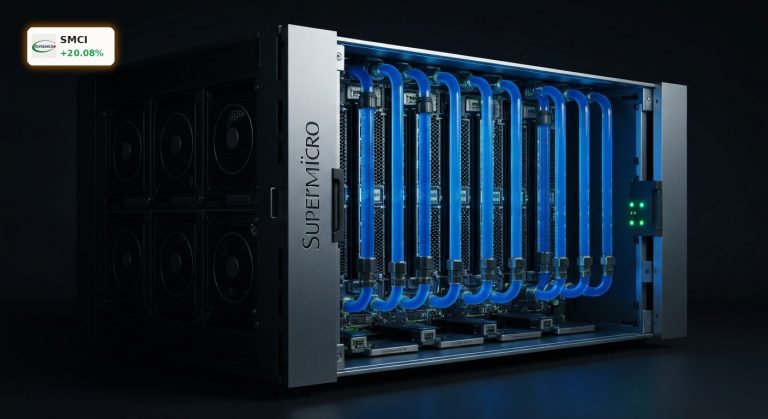
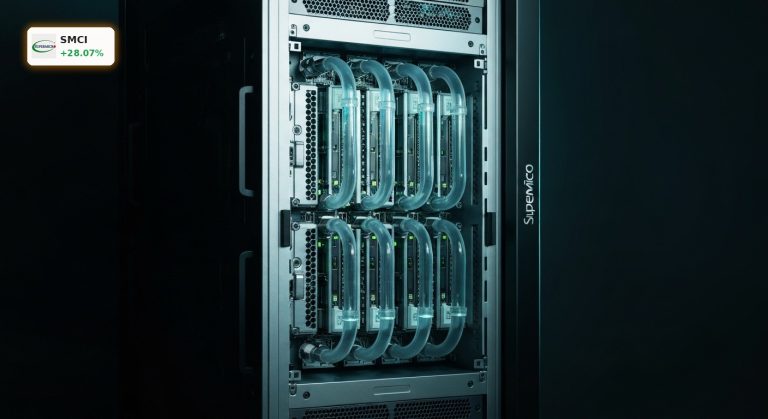
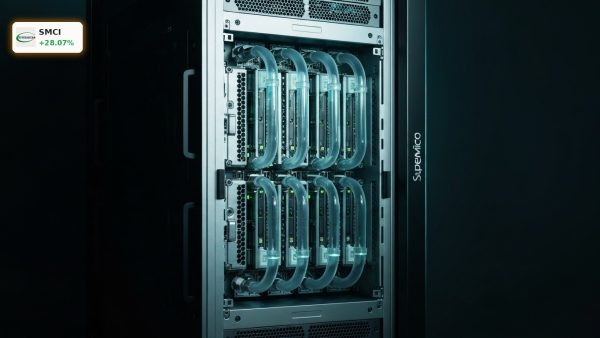
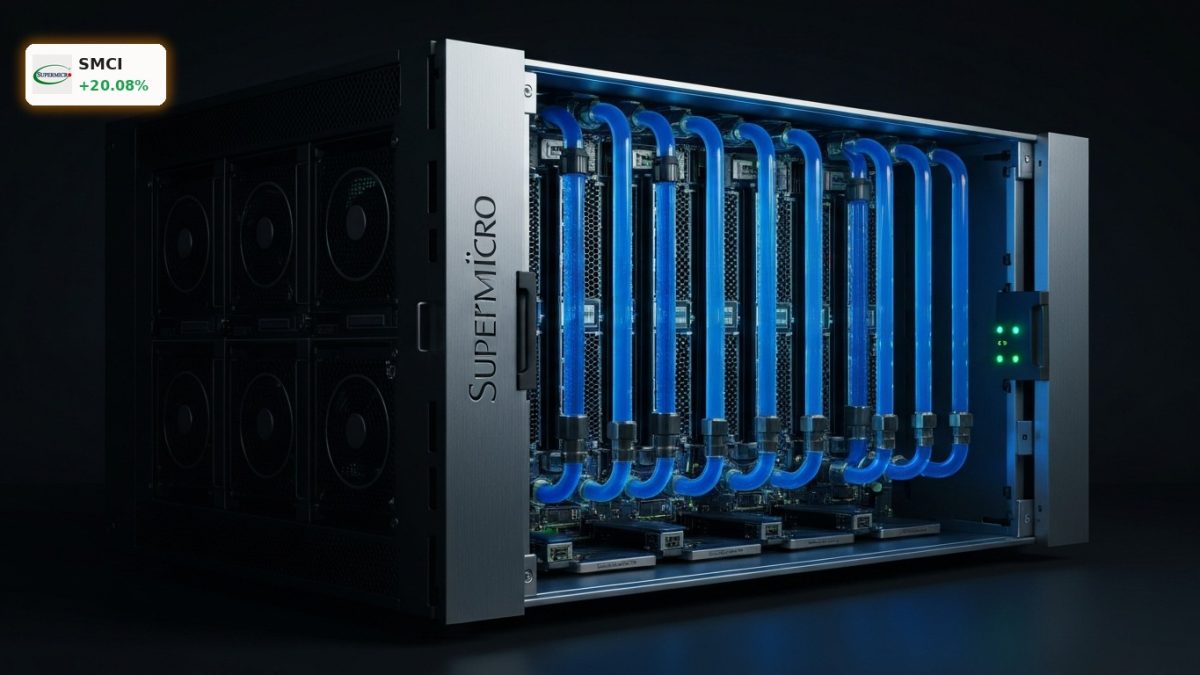
This margin surprise is a significant turnaround for the company, which recorded gross margins of just 6.3% in fiscal Q2 and 9.9% in fiscal Q3. Analysts at Wedbush noted that the dramatic change likely stemmed from a temporary supply-demand imbalance, allowing the firm to take advantage of component scarcity to price its advanced liquid-cooled rack systems more favorably. If these elevated Super Micro Computer Margins prove sustainable rather than a one-time product mix anomaly, the company’s long-term earnings power will be fundamentally rerated. The market is eagerly awaiting the official earnings release on August 11 to see if these Super Micro Computer Margins can hold.
How does the order backlog impact competitors?
Alongside the margin blowout, the company reported receiving more than $60 billion in new orders during the fourth quarter, driving its backlog to an all-time high. While the server maker expects fourth-quarter revenue to finish near the lower end of its $11 billion to $12.5 billion guidance range, the sheer volume of future orders suggests that demand for AI infrastructure is far from slowing down.
This massive demand backlog sent positive shockwaves through the entire hardware sector. Competitors like Dell Technologies and Hewlett Packard Enterprise saw their stock prices jump by 9.3% and 5.2% respectively during Wednesday’s trading. Analysts at JPMorgan pointed out that the update provides a reassuring signal for the broader AI trade, proving that enterprise budgets are still heavily shifting toward foundational AI infrastructure.
What analyst upgrades and risks should investors watch?
Wall Street analysts reacted swiftly to the business update. Needham raised its price target on the stock to $46 from $40 while maintaining a Buy rating. Rosenblatt also boosted its price target to $45 from $40 with a Buy rating, and Barclays raised its price target to $38.
However, several risks continue to hover over the company. The board is currently conducting an independent review of transaction practices following a federal export-control investigation in Taiwan and the U.S. regarding the alleged smuggling of NVIDIA chips to China. Furthermore, converting a $60 billion backlog into recognized revenue requires significant working capital. The company recently announced plans to raise $7 billion in equity and debt financing, which could dilute existing shareholders.
Related Coverage
For a deeper dive into how this profitability shift is reshaping the market, read about the Super Micro Computer Earnings Surge +28% as Margins Double to see if this backlog can silence the AI skeptics. Additionally, keep an eye on broader chip supply chain trends by reading the Lam Research Outlook: Stock Plunges -3.9% Despite Strong AI Demand to understand how insider selling is impacting semiconductor equipment manufacturers.
The dramatic expansion of Super Micro Computer Margins has successfully shifted Wall Street’s focus from regulatory headwinds back to the company’s incredible growth potential. For investors, this profitability surge proves that the demand for high-performance AI servers remains exceptionally strong. As the market looks ahead to the formal earnings call on August 11, the stock appears positioned for a highly anticipated recovery.