
Can Uber’s collaborative autonomous driving strategy quietly crush Tesla’s multi-billion-dollar robotaxi dreams before they even launch?

Why is Uber autonomous driving winning the race?
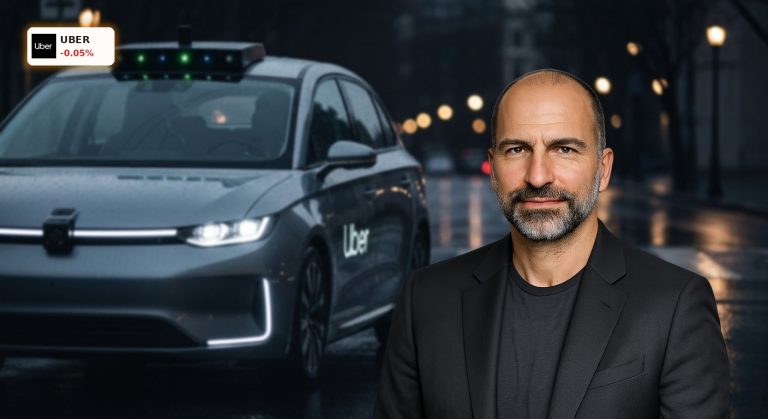
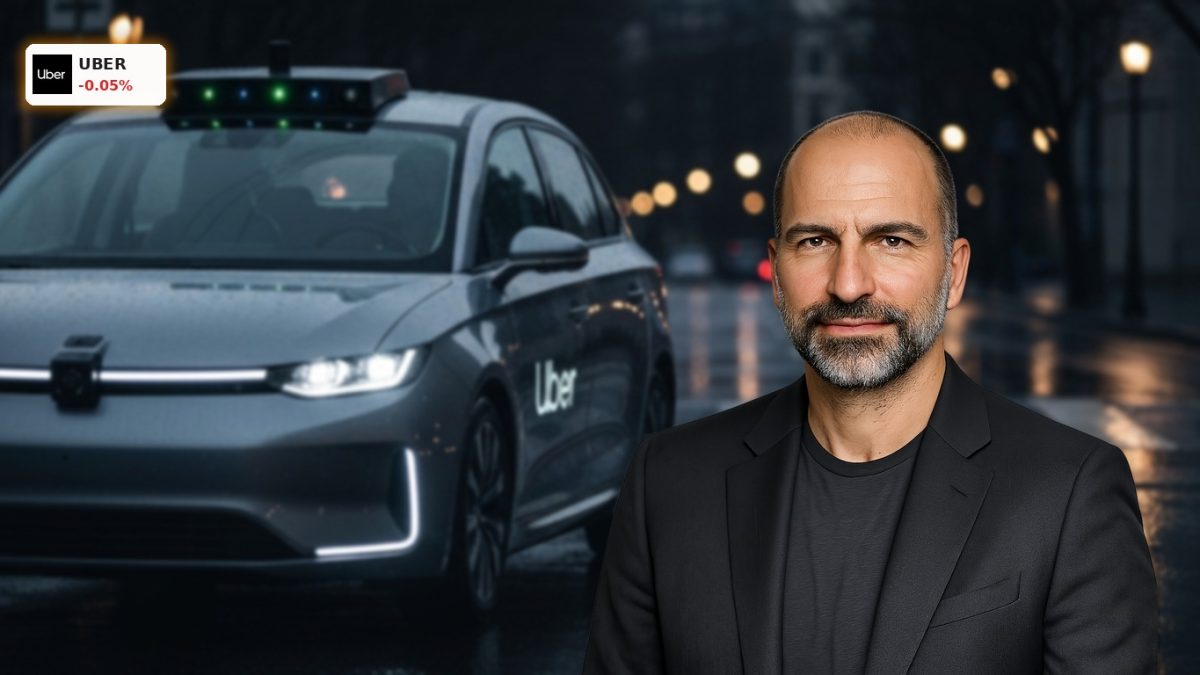
Instead of building its own self-driving vehicles from scratch, Uber has chosen a highly collaborative path. The company has secured partnerships with approximately 30 autonomous vehicle developers, including Alphabet‘s Waymo. These developers deploy their self-driving fleets directly into Uber’s massive network, which boasts 199 million monthly active users. For manufacturers, building a reliable vehicle is only half the battle; the real challenge is matching supply with demand and scaling a network. By leveraging Uber’s established platform, autonomous vehicle developers get instant access to a massive customer base, while Uber avoids the capital-intensive burden of manufacturing. This cooperative model positions the **Uber autonomous driving** ecosystem as the most scalable solution on the market, bypassing the regulatory and production bottlenecks currently plaguing rivals like Tesla.
How will driverless cars boost Uber’s margins?
Financially, transitioning away from human drivers could be incredibly lucrative for Uber. In the first quarter of 2026, Uber reported $53.7 billion in gross bookings, representing the total value of rides, deliveries, and food orders. However, human drivers historically claim about 44% of these bookings—roughly $23.6 billion in Q1 alone. Consequently, Uber’s operating income for the quarter was just $1.9 billion, representing less than 4% of gross bookings. By replacing human drivers with autonomous fleets, Uber could unlock a massive revenue stream. Even after sharing a portion of the fare with vehicle owners, the cost of operating autonomous vehicles—which can run 24/7 without breaks—is expected to be significantly lower. Currently, the company offers self-driving rides in eight U.S. cities, with plans to expand to 15 by the end of 2026. CEO Dara Khosrowshahi noted that autonomous trips surged tenfold year-over-year in Q1, proving that the **Uber autonomous driving** network is scaling rapidly.
Is Uber stock a better value than Tesla?
From a valuation perspective, Uber presents a highly attractive entry point for Wall Street investors compared to Tesla. Uber currently trades at a price-to-sales (P/S) ratio of 2.7, which is a discount to its historical average of 4.1 since its 2019 IPO. This also places Uber well below the Nasdaq-100 technology index’s average P/S of 6.3. In contrast, Tesla trades at a steep P/S ratio of 13.6, more than five times Uber’s valuation. While Tesla investors are banking heavily on the future success of the Cybercab robotaxi and Optimus robots, Tesla faces significant regulatory hurdles and lacks widespread full self-driving approval. Uber’s practical, partner-driven approach minimizes these operational risks, making its stock a much safer bet for those looking to capitalize on the autonomous revolution.
Related Coverage
For investors tracking Uber’s broader expansion plans, the company’s recent international moves are also drawing attention. Read more about how the Uber Delivery Hero Acquisition triggered a stock drop of 2.8% amid intense takeover talks and regulatory concerns. Meanwhile, tech investors looking for other high-growth opportunities should analyze how AI is driving massive enterprise software demand, as detailed in our coverage of the ServiceNow Earnings report, which highlighted a 24% revenue surge that beat Wall Street estimates.
Ultimately, the **Uber autonomous driving** strategy offers a highly efficient, asset-light path to dominating the self-driving market. For long-term investors, the company’s attractive valuation and rapid scaling make it a compelling alternative to high-premium automotive manufacturers. As autonomous technology continues to mature, Uber is uniquely positioned to capture the lion’s share of this multitrillion-dollar market.