
Can Workday AI Strategy turn a flashy partnership into durable enterprise growth and justify the stock’s sharp rebound?

Why does Workday AI Strategy matter now?
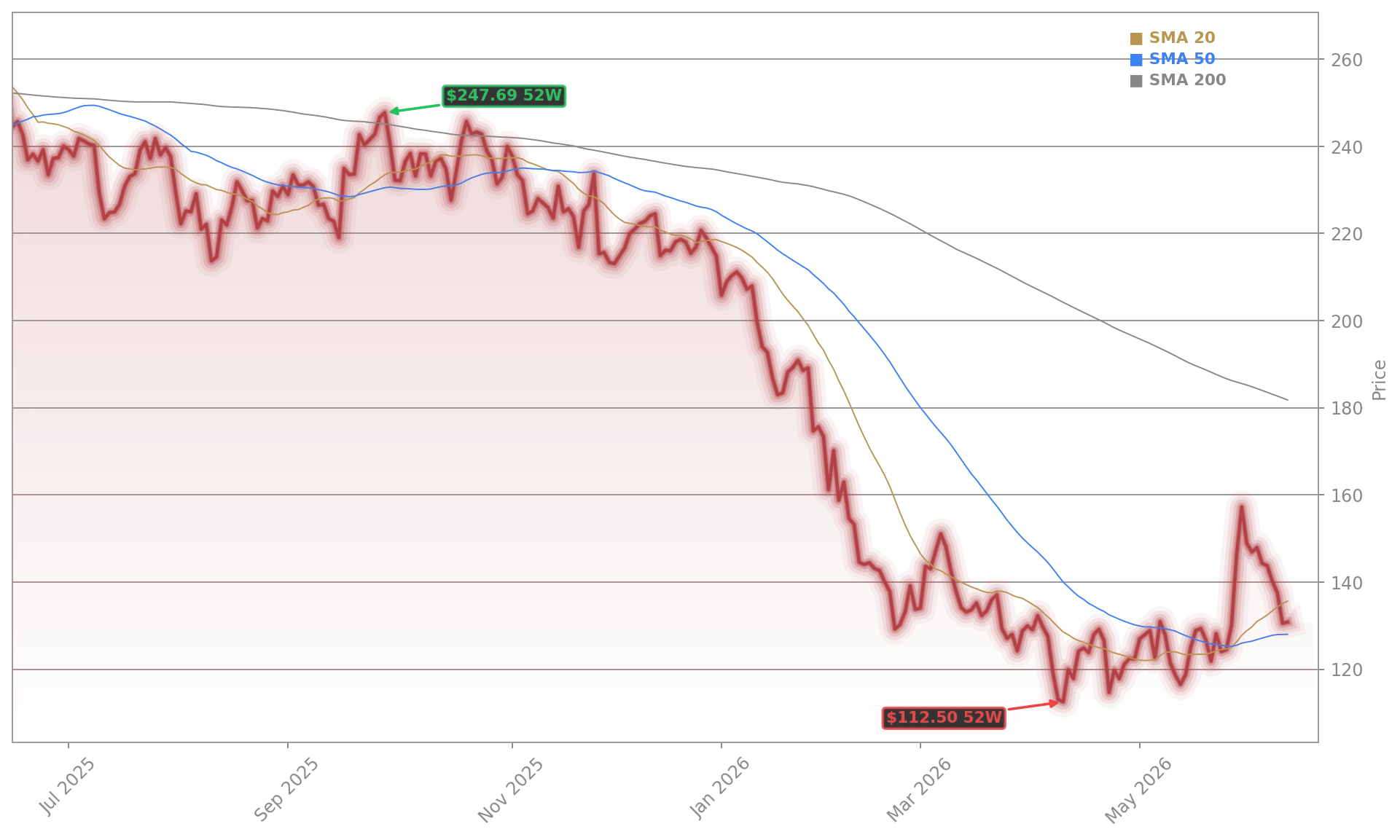
The timing is notable. WDAY has rebounded sharply from recent lows, yet the stock remains far below its 52-week high of $257.09, so Monday’s jump does not mark a new high. In after-hours trading, shares slipped to $156.05, down 0.75%, suggesting investors still want follow-through. That caution makes sense. Workday’s latest move matters only if it converts AI excitement into broader usage across sensitive back-office systems where switching costs are high and buyer scrutiny is intense.
The upgraded Google Cloud relationship puts Gemini at the center of Workday’s Sana Self-Service Agent. The practical pitch is straightforward: employees can ask natural-language questions tied to finance policies, expense reports, company card eligibility, and monthly close tasks inside existing workflows. For large enterprises, that matters more than flashy demos because approvals, permissions, and compliance controls remain embedded in the core architecture. That is the heart of the current Workday AI Strategy.
How is Workday positioning against rivals?
Workday is trying to defend and extend its place in enterprise software while competitors race to attach AI copilots to core applications. Google becomes a key model partner here, but Workday is also competing for CIO budgets against suites from Oracle and HR-focused providers like ADP. The broader software backdrop has improved as investors reconsider fears that generative AI would weaken the SaaS model rather than strengthen it.
That shift has helped software names across Wall Street. Recent market commentary around enterprise AI demand has also supported peers such as HubSpot, while infrastructure beneficiaries like NVIDIA continue to frame the larger spending cycle. Workday’s argument is different: instead of selling raw AI capacity, it is selling trusted process automation in areas where companies are reluctant to expose data outside approved systems. That focus could resonate with multinational customers managing payroll, accounting, and compliance across languages and jurisdictions.
Can Workday AI Strategy lift fundamentals?
The company’s recent numbers give the story more credibility. In fiscal first quarter 2027, revenue rose 13.5% year over year to $2.54 billion. Adjusted diluted earnings per share came in at $2.66, ahead of the $2.51 Wall Street consensus. Short-term subscription backlog reached $8.806 billion, up 15.5%, while total subscription backlog climbed to $27.294 billion. Operating cash flow improved to $696 million from $457 million a year earlier.
Management also held its full-year subscription revenue outlook at $9.925 billion to $9.950 billion and raised adjusted operating margin guidance to 30.5%. That margin signal is important because investors have been watching whether AI investment would pressure profitability. Instead, Workday is trying to show it can fund innovation while preserving discipline. For the current quarter, the company expects subscription revenue of about $2.455 billion, implying roughly 13% growth.
On Wall Street, analyst sentiment still leans constructive. Mizuho has maintained a Buy rating with a $210 price target, while consensus tracking cited by TradingView showed an average 12-month target near $172.53 and a Buy consensus from dozens of analysts. Needham, Bank of America Securities, and Guggenheim have also been cited with favorable views in recent coverage.
What should investors watch at Workday?
The next test is execution. Early access for the Sana Self-Service Agent in Gemini Enterprise is limited, with implementation support from Deloitte, KPMG, and Accenture. Investors will want signs that pilots convert into broader deployments and that AI features expand deal sizes, renewal rates, or seat penetration rather than simply preserving relevance. The virtual annual meeting on June 16 could offer more clues on customer adoption and capital allocation priorities.
Related Coverage: Our earlier report, Workday Earnings -4.2%: AI Spending Puts Margins in Focus, examined the same core debate now facing investors. That piece highlighted how closely the market is tracking the balance between AI product expansion and operating margin discipline, a tension that remains central as the Workday AI Strategy moves from narrative to measurable enterprise demand.
Workday AI Strategy now looks more tangible than promotional: stronger backlog, rising cash flow, and a deeper Google tie-up give investors a clearer framework to judge progress. If management can turn AI agents into larger enterprise commitments in finance and HR, WDAY has room to rebuild credibility on Wall Street. The next few quarters should show whether this partnership becomes a growth catalyst rather than just another AI headline.