Will diplomatic efforts cool down the WTI Crude Oil Middle East Conflict before global supply chains completely snap?

WTI Crude Oil Middle East Conflict: Is supply at risk?
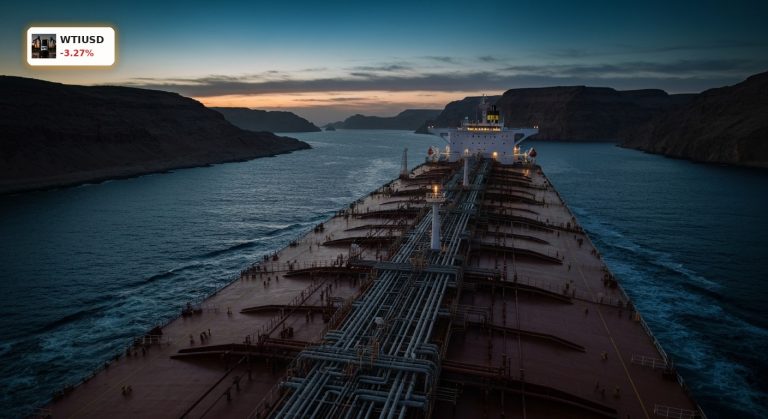
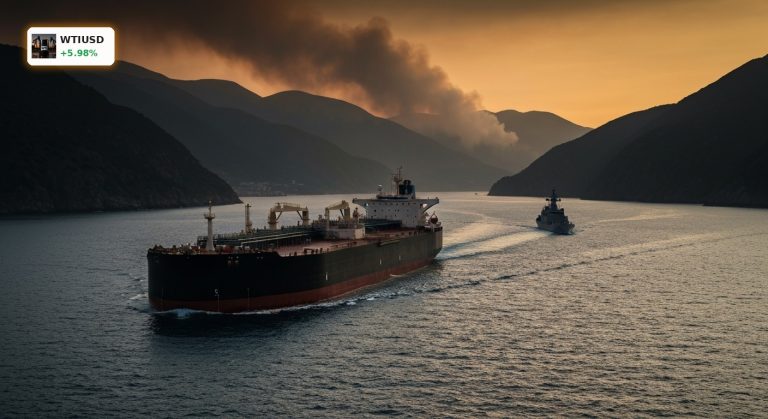
The geopolitical landscape grew increasingly complex this week as maritime chokepoints in the Middle East faced severe disruptions. Following the collapse of the U.S.-Iran ceasefire, conflict has spread from the Strait of Hormuz to the Bab el-Mandeb Strait. The Iran-aligned Houthi militia claimed responsibility for targeting two Saudi Arabian oil tankers in the Red Sea, effectively threatening Saudi Arabia’s alternative export route from its Yanbu hub.
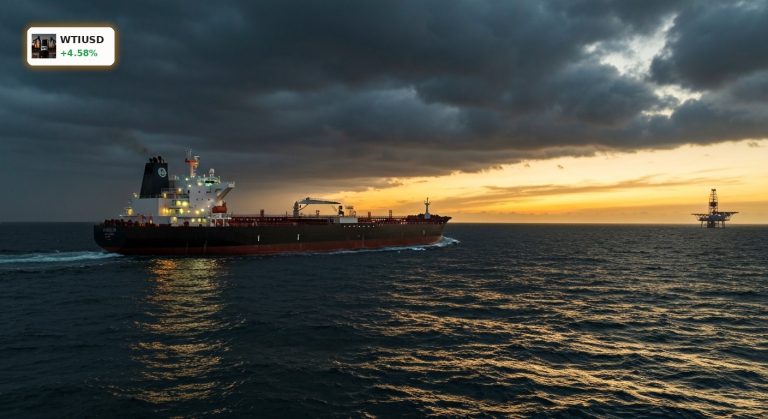
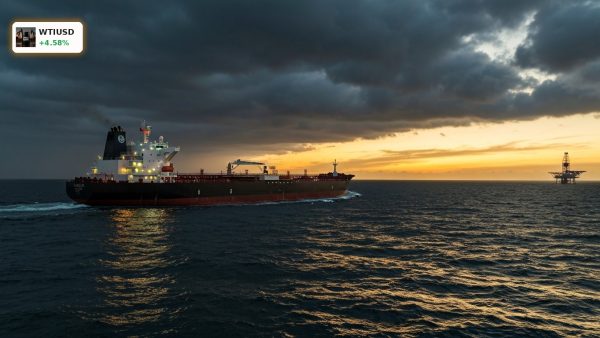
This escalating tension has forced shipping companies to take drastic measures. The Danish-flagged tanker Torm Innovation, carrying 500,000 barrels of Saudi naphtha, recently bypassed the Bab el-Mandeb Strait entirely, rerouting around the Cape of Good Hope. Such detours extend a standard 19-day voyage to 48 days, tying up global vessel capacity and driving freight and insurance costs significantly higher. While the physical flow of oil continues, these logistical bottlenecks imply that the **WTI Crude Oil Middle East Conflict** is actively squeezing global energy supplies. Additionally, global supply is further constrained by developments in Eastern Europe, where Ukrainian drone strikes have severely damaged Russian refining capacity, forcing Kazakhstan to throttle its pipeline exports due to security concerns.
What are major Wall Street banks forecasting?
Institutional desks are increasingly warning of a prolonged commodity squeeze. Paul Bloxham, chief economist at HSBC, noted that with global strategic petroleum reserves already depleted, energy markets face a mounting risk of a “super-squeeze.” Analysts at Goldman Sachs have echoed this concern, with commodities strategist Daan Struyven warning that Brent crude could exceed $120 a barrel in the fourth quarter of 2026 if the maritime disruptions persist.
Furthermore, Helima Croft, head of global commodity strategy at RBC Capital Markets, cautioned that the conflict is entering a highly dangerous phase with critical infrastructure at risk. According to JPMorgan Chase head of global commodities research Natasha Kaneva, each additional month of disruption could add roughly $7 to $8 to the price of a barrel of oil. Conversely, some strategists expect a slower recovery; Giovanni Staunovo of UBS Global Wealth Management suggested that the market might be overestimating how quickly production can recover, keeping the overall oil market tight.
Will political pressure force diplomatic talks?
The economic fallout of the **WTI Crude Oil Middle East Conflict** has direct domestic consequences for the United States. With national average gasoline prices climbing past the politically sensitive threshold of $4 per gallon, the Trump administration faces mounting domestic pressure. High fuel costs are already weighing on consumer-facing stocks and raising broader inflation concerns, which could prompt the Federal Reserve to maintain a hawkish stance on interest rates.
However, a potential diplomatic off-ramp emerged on Friday. Reports surfaced indicating that Pakistan, with backing from China, is actively seeking to broker renewed talks between the U.S. and Iran. China, heavily reliant on Middle Eastern crude, is reportedly highly dissatisfied with the disruptions to its economic interests. This diplomatic glimmer, combined with profit-taking after five consecutive days of gains, was the main driver behind Friday’s price decline.
Given the security situation in the southern part of the Red Sea, the vessel is sailing via the Suez Canal and around the Cape to Asia. This reflects our cautious approach to crew safety, which remains our highest priority.— Torm Spokesperson
The **WTI Crude Oil Middle East Conflict** continues to be the dominant force dictating global energy prices and market sentiment. While diplomatic efforts from international players could provide short-term relief, the structural damage to maritime shipping routes ensures that geopolitical risk premiums will remain elevated. For long-term investors, utilizing short-term price weakness to accumulate high-quality energy assets could prove to be a highly rewarding strategy as the market navigates this period of heightened volatility.