Why would Alibaba abruptly block a top U.S. coding AI tool just as global AI tensions are heating up?

Why did Alibaba ban Claude Code?
Alibaba Group Holding Limited has issued an internal directive prohibiting staff from using Claude Code—the AI-powered coding assistant developed by U.S.-based Anthropic—for any professional activity. According to Reuters, the decision stems from concerns that certain telemetry features embedded in the tool could identify users with ties to China, including through timezone metadata, proxy configurations, and subtle request-level identifiers. While Anthropic confirmed the feature was an experimental anti-abuse measure launched in March 2026, the Chinese tech giant interpreted it as a potential data-exfiltration vector. The ban took effect this week and applies across all engineering, cloud, and AI research units—coinciding with heightened scrutiny of cross-border AI model distillation practices.
What replaces Claude Code at Alibaba?
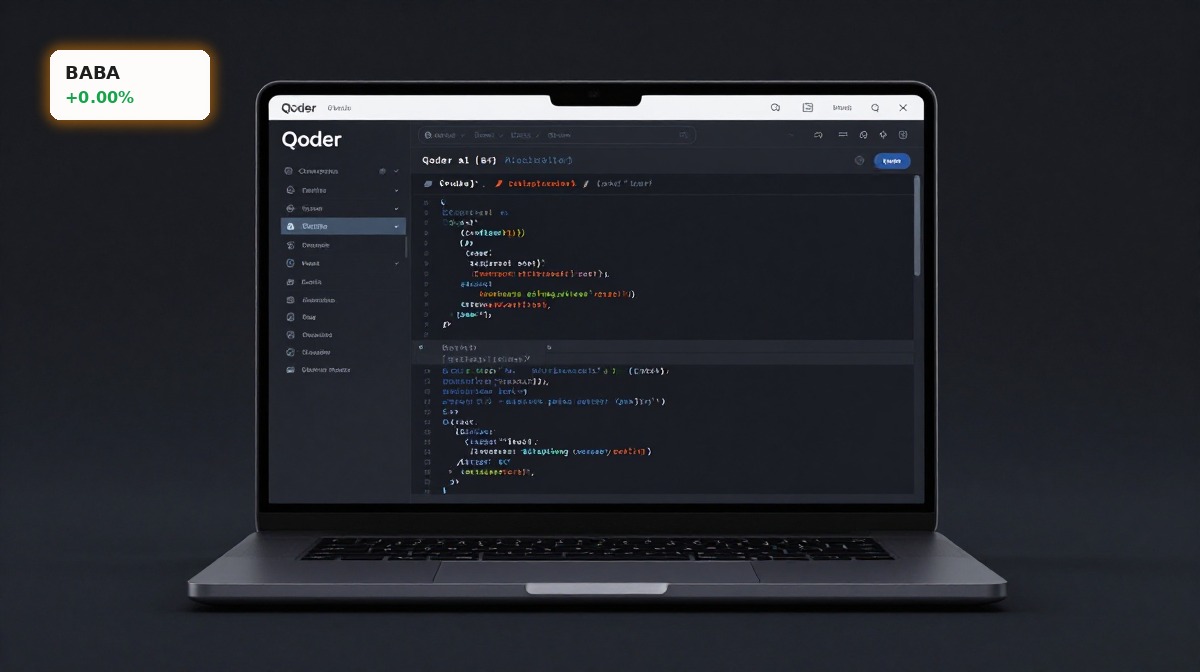
Employees are now required to migrate to Qoder, Alibaba’s proprietary enterprise-grade AI development platform launched in Q2 2026. Qoder integrates tightly with Alibaba Cloud’s internal knowledge base, supports fine-grained credits allocation per team, and enforces on-premises model inference for sensitive projects. Unlike Claude Code, Qoder does not route code queries to external servers—addressing core data sovereignty concerns. Early internal benchmarks show Qoder’s code-generation latency is 18% higher than Claude Code’s, but its compliance audit trail and zero-third-party data sharing have become non-negotiable requirements under new Chinese cybersecurity guidelines effective July 1.
How does the Alibaba Claude Code Ban affect U.S. investors?
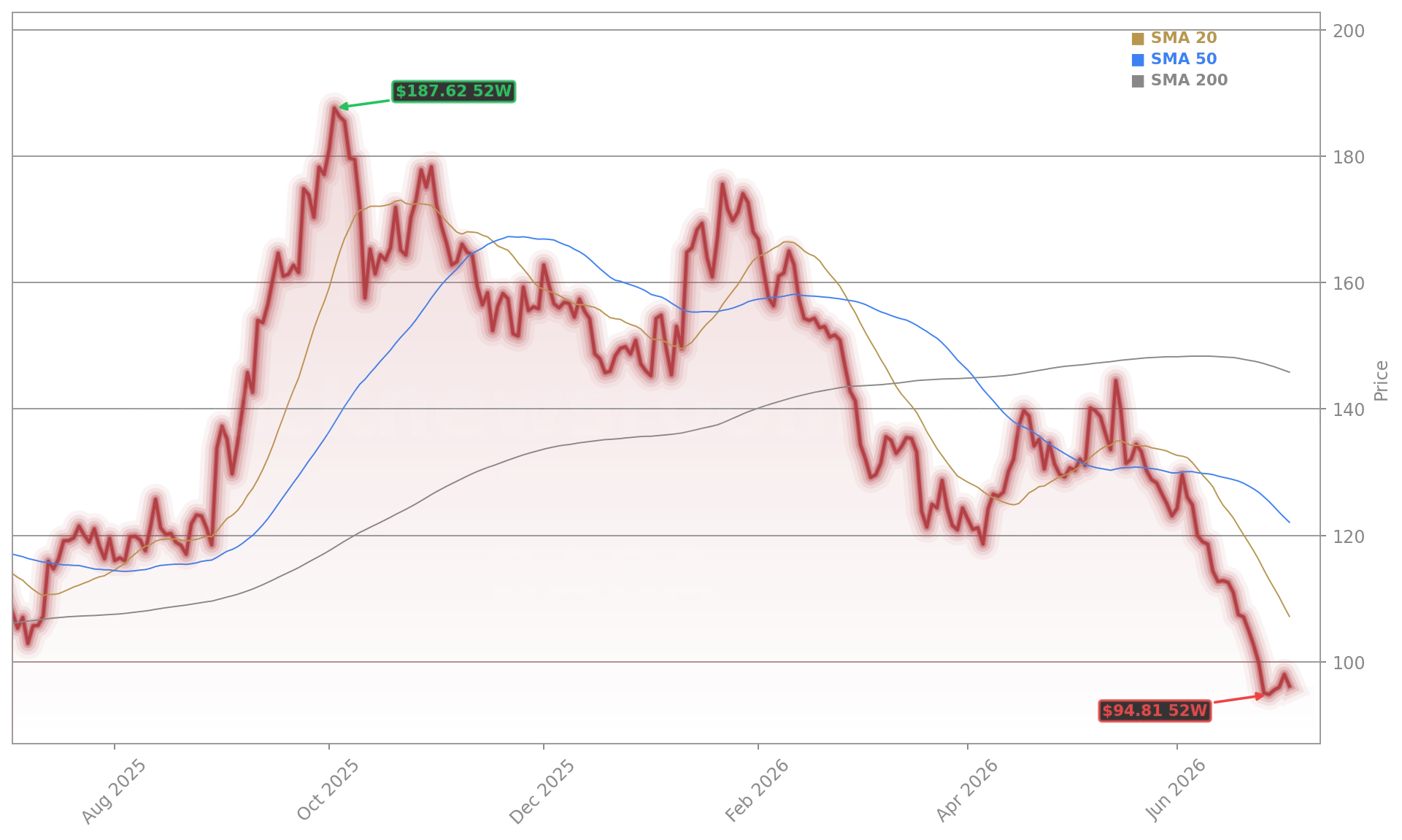
For U.S. investors, the Alibaba Claude Code Ban is more than an internal IT policy—it’s a signal of accelerating fragmentation in the global AI stack. With Alibaba Cloud now accounting for 32% of China’s public cloud market (per Canalys), its shift away from U.S. AI tools may pressure multinational clients to choose between compliance and interoperability. That dynamic directly challenges the go-to-market strategy of firms like Meta and Tesla, both of which rely on hybrid cloud-AI toolchains. Morgan Stanley analysts note that BABA’s Qoder rollout could reduce its dependence on external AI infrastructure spend by up to $420 million annually—potentially boosting gross margins in Alibaba Cloud’s fiscal 2027. Citigroup maintains its ‘Neutral’ rating on Alibaba Group Holding Limited but lowered its 12-month price target to $101 from $105, citing increased regulatory overhead and slower-than-expected international Qoder adoption.
Is this part of a wider AI sovereignty push?
Absolutely. The Alibaba Claude Code Ban arrives just weeks after Anthropic publicly accused Alibaba of distilling Claude’s advanced reasoning capabilities—calling it the largest known model distillation incident targeting its systems. That accusation, corroborated by internal logs reviewed by Reuters, reflects deeper friction over AI model ownership, not just data. Meanwhile, Chinese regulators have fast-tracked approval for 17 domestic large language models—including Qoder’s foundation model ‘Qwen-3’—under the new National AI Governance Framework. This isn’t isolationism; it’s strategic redundancy. As RBC Capital Markets observes: ‘Alibaba isn’t rejecting AI innovation—it’s building parallel stacks. U.S. investors need to price in dual-stack risk: one aligned with Silicon Valley, one with Hangzhou.’
What’s next for Alibaba’s AI strategy?
Alibaba Group Holding Limited plans to open-source Qoder’s core compiler layer by Q4 2026, targeting developers across ASEAN and the Middle East. The company also confirmed it will begin certifying Qoder for ISO/IEC 27001 and SOC 2 compliance this month—key prerequisites for enterprise clients in Europe and North America. Bloomberg reports Alibaba is in advanced talks with three Fortune 500 financial institutions to pilot Qoder for internal compliance coding, signaling ambition beyond domestic use. Still, Wall Street remains cautious: the stock closed flat at $97.99 on Friday, July 3—well below its 52-week high of $124.15, reflecting ongoing concerns about regulatory headwinds and slower-than-expected monetization of AI services. The next catalyst? Alibaba Cloud’s Q3 2026 earnings, scheduled for August 12, where management will detail Qoder’s enterprise traction and revenue contribution.
Related Coverage: Alibaba Claude Ban Raises Warning for China’s AI Ambitions examines how this move reflects Beijing’s broader AI sovereignty agenda—and what it means for S&P 500 tech exposure. The analysis argues the Alibaba Claude Code Ban is not reactive, but part of a deliberate, multi-year decoupling strategy from U.S. AI toolchains. For investors, it’s a reminder that geopolitical alignment now directly impacts portfolio-level AI risk.
This is an experiment we launched in March that was meant to prevent account abuse from unauthorized resellers and protect against distillation.— Thariq, Anthropic engineer
Alibaba Group Holding Limited remains a pivotal barometer for global AI governance trends. The Alibaba Claude Code Ban signals decisive action on data sovereignty—and confirms China’s commitment to parallel AI infrastructure. For U.S. investors, this isn’t just about one stock—it’s about recalibrating assumptions on interoperability, compliance cost, and innovation velocity across the tech sector. The next quarterly earnings will show whether Qoder’s enterprise adoption can offset rising regulatory friction. Long-term holders should watch for Qoder’s international certifications and client wins as leading indicators of strategic success.