Why would Alibaba block a top U.S. coding AI just as its cloud business is growing at double-digit speed?

Why did Alibaba ban Claude Code?
Alibaba Group Holding Limited has issued an enterprise-wide directive prohibiting staff from deploying Anthropic’s Claude Code — a generative AI coding assistant — across all internal engineering, cloud, and infrastructure teams. According to Reuters, the ban stems from internal security reviews identifying embedded environmental fingerprinting features, including timezone inference, proxy detection, and silent request tagging that transmit metadata to Anthropic’s U.S.-based servers. Though Anthropic confirmed the feature was a short-lived March 2026 experiment intended to curb account reselling and model distillation, Alibaba interpreted it as an unacceptable data sovereignty risk — especially after Anthropic publicly accused Alibaba of attempting to extract capabilities from its Mythos Preview model last month. The incident underscores how rapidly AI governance is becoming a flashpoint in U.S.-China tech decoupling.
What replaces Claude Code at Alibaba?
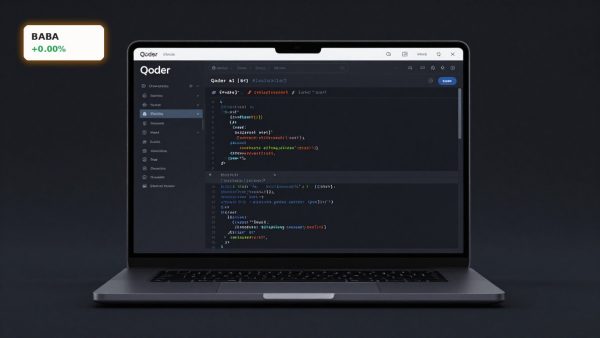
Employees are now required to migrate to Qoder, Alibaba Cloud’s newly launched enterprise-grade AI coding platform. Qoder integrates tightly with Alibaba’s internal Git infrastructure, supports private knowledge base grounding, and enforces strict on-prem inference — features designed to eliminate external data egress. Unlike Claude Code, Qoder does not require outbound API calls to foreign servers and allows granular credit allocation per engineering team. The platform launch coincides with Alibaba Cloud’s Q2 2026 revenue growth of 19% year-over-year — a figure that outpaces NVIDIA’s data center revenue growth of 17% in the same period — suggesting accelerated enterprise adoption of sovereign AI tooling. Notably, Qoder’s architecture mirrors strategies being pursued by Meta and Apple in their internal AI stack development, though with far stricter data residency enforcement.
How does the Alibaba Claude Code Ban affect U.S. investors?
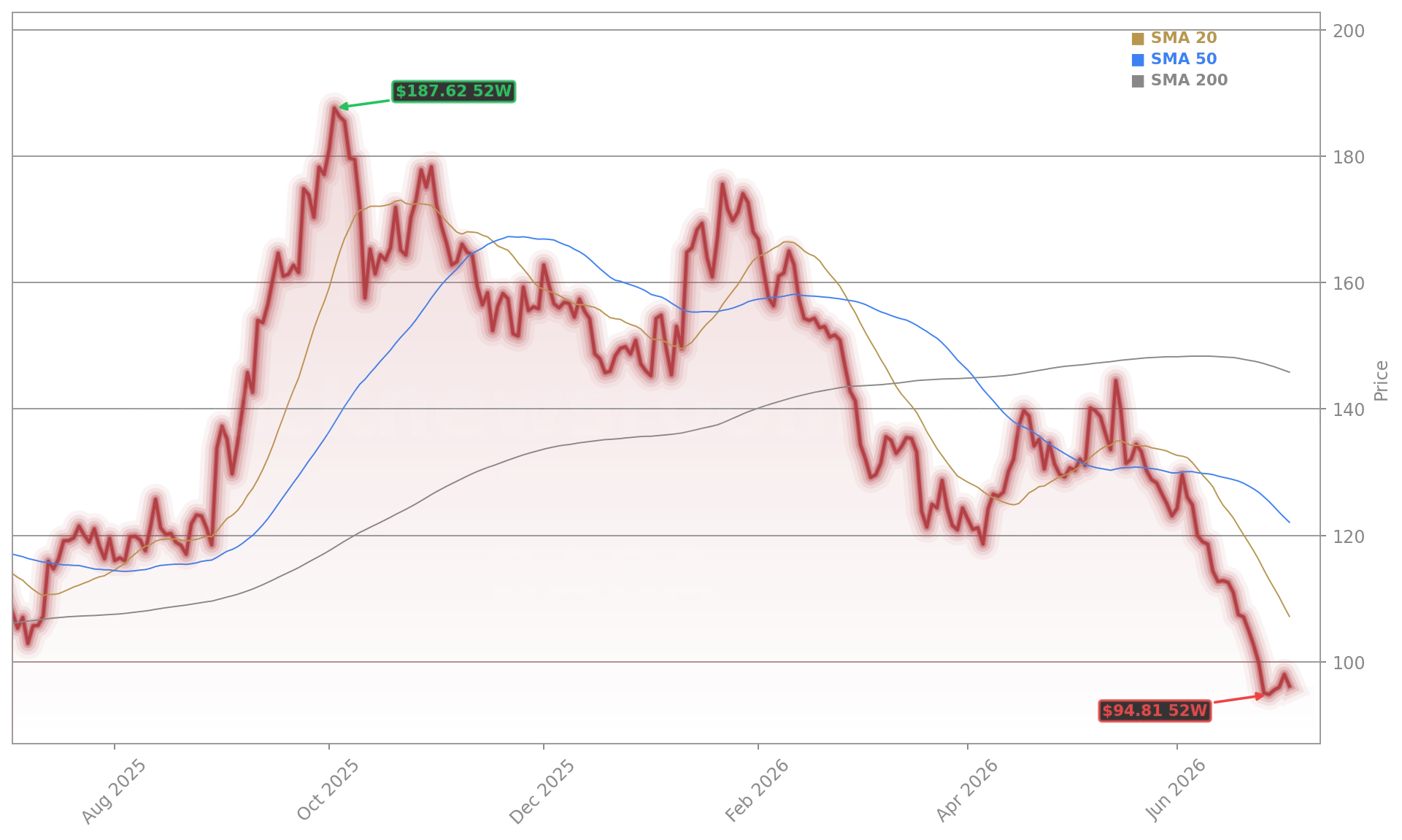
The Alibaba Claude Code Ban is more than an internal policy shift — it’s a canary in the coal mine for global AI supply chain risk. With Alibaba Group Holding Limited (BABA) holding a 4.2% weight in the MSCI China Index and indirect exposure across NASDAQ-listed cloud enablers like NVIDIA and Tesla, this directive could accelerate enterprise migration away from U.S.-developed AI tooling in regulated sectors. Citigroup analysts downgraded BABA to ‘Neutral’ on July 2, citing “increasing operational friction from dual-use AI regulation” and lowered their 12-month price target to $92. Meanwhile, RBC Capital Markets maintained its ‘Outperform’ rating but added a new caveat: “Qoder’s scalability and security certification will be critical to retaining non-Chinese cloud clients in ASEAN and the Middle East.” For S&P 500 investors holding broad tech ETFs, the Alibaba Claude Code Ban highlights growing embedded geopolitical risk in AI infrastructure exposure.
Is this part of a broader KI sovereignty trend?
Absolutely. The Alibaba Claude Code Ban mirrors parallel moves by sovereign tech stacks: South Korea’s Naver launched its own LLM-powered IDE in May; India’s Jio Platforms mandated internal use of its ‘JioAI Code’ toolset; and the EU’s GAIA-X initiative now includes AI development sandbox requirements. What differentiates Alibaba’s action is its speed and scale — affecting over 45,000 engineers in a single policy update. Bloomberg notes that over 60% of Alibaba Cloud’s enterprise clients in China have already adopted Qoder in pilot mode, with adoption accelerating after U.S. export controls on AI chip training clusters were expanded in April. This isn’t just about code — it’s about control of the AI development lifecycle, from prompt engineering to model deployment. For Wall Street, it signals that AI infrastructure stocks may face bifurcated growth trajectories: U.S.-centric tools gaining share in open markets, while sovereign alternatives dominate in regulated economies.
What’s next for Alibaba’s AI strategy?
Alibaba Group Holding Limited plans to open-source Qoder’s core compiler interface later this quarter — a move designed to attract third-party plugin developers while retaining control over the inference layer. The company also confirmed plans to launch Qoder Enterprise Edition in Singapore and Dubai by Q4 2026, targeting financial and telecom clients subject to strict data localization laws. With Alibaba Cloud now ranked third globally in AI infrastructure spend behind NVIDIA and Amazon Web Services, the Alibaba Claude Code Ban marks the first major enforcement of a ‘sovereign AI stack’ doctrine — one that could reshape procurement patterns across emerging markets. Analysts at Goldman Sachs now forecast Qoder-driven cloud revenue contribution to rise from 8% to 22% of Alibaba Cloud’s total by end-2027.
This is an experiment we launched in March that was meant to prevent account abuse from unauthorized resellers and protect against distillation.— Thariq, Anthropic engineer
Related coverage: For deeper analysis on how this ban reshapes AI risk frameworks, see Alibaba Claude Code Ban Triggers Security Warning at BABA.