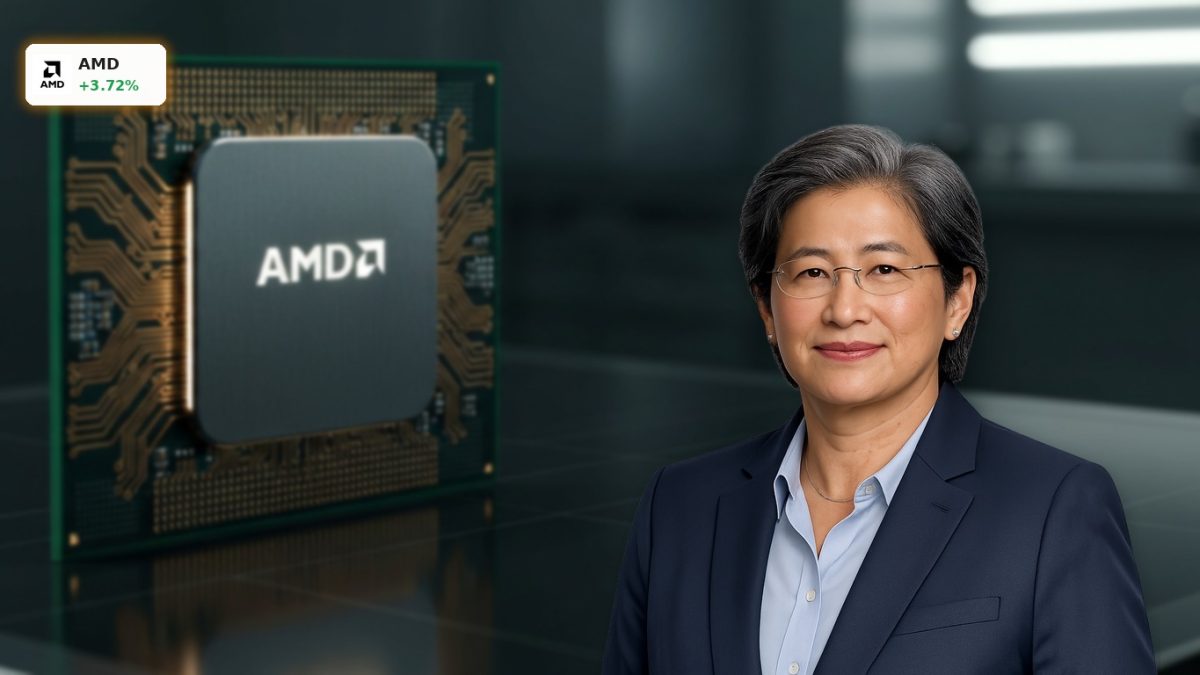

Can the ambitious new AMD AI Strategy successfully challenge Nvidia’s dominance and propel the stock to historic highs?

How Does the AMD AI Strategy Drive Growth?
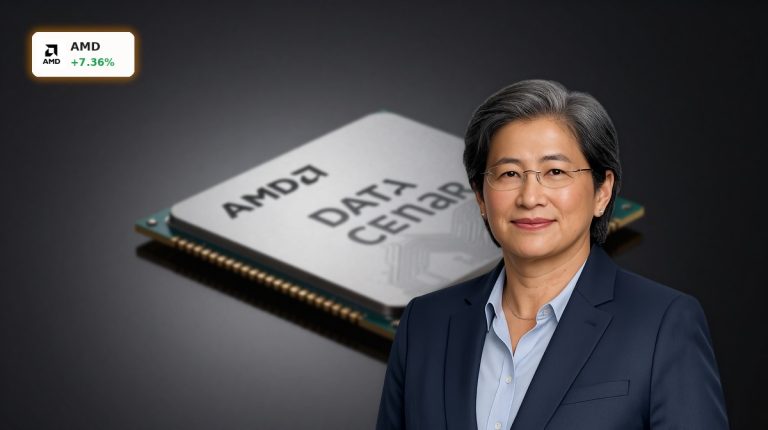
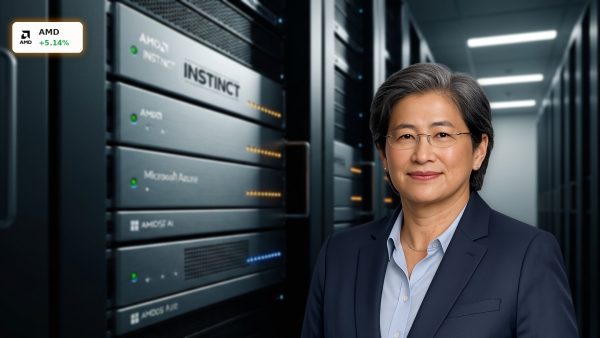
A key pillar of the AMD AI Strategy is the rapid expansion of its hyperscaler customer base. UBS analyst Timothy Arcuri recently reiterated a buy rating for the semiconductor giant, lifting the 12-month price target from $670 to $700. Arcuri, highly regarded for his Wall Street forecasting accuracy, believes AMD has massive room to grow through partnerships with major cloud providers. According to recent reports, including a public GitHub leak from an AMD senior director, AI startup Anthropic is poised to become a major customer. Additionally, UBS identifies Amazon as a key prospect for the upcoming MI450x AI accelerator. Collaborations with companies like Cerebras Systems for fast AI inference and custom data center chips could further accelerate revenues. This expansion is crucial as AMD seeks to challenge the dominant position of NVIDIA in the hardware space.
Why Are Analysts Bullish on AMD?
Despite recent market volatility that pushed the PHLX Semiconductor Index into a temporary technical correction, the underlying business fundamentals for chipmakers remain exceptionally strong. RBC Capital Markets recently upgraded the technology sector to overweight, citing attractive entry points after the recent pullback. While high-profile investors like Cathie Wood of Ark Investment Management have taken some profits off the table—selling over 137,000 shares of AMD in July—the broader consensus remains overwhelmingly positive. Out of 55 analysts tracking the stock, 45 maintain a “Buy” or “Strong Buy” rating. This optimism is supported by easing supply chain bottlenecks. Packaging constraints at Taiwan Semiconductor Manufacturing Company are expected to resolve significantly by 2027, paving the way for a massive volume expansion of advanced hardware.
What Is Next for Advanced Micro Devices?
The next major catalyst for the stock is the highly anticipated “Advancing AI 2026” conference, scheduled for July 22 and 23 in San Francisco. CEO Lisa Su is expected to present crucial updates regarding the company’s hardware roadmap, including the MI450 series accelerators and Helios rack systems. With data center demand scaling rapidly, investors will look closely at how the AMD AI Strategy addresses the growing compute requirements of generative AI. First-quarter earnings already demonstrated stellar execution, with data center revenue jumping 57% year-over-year to $5.8 billion. This event could act as a significant turning point for the stock’s mid-term performance. If the upcoming product announcements exceed expectations, current valuation multiples could quickly look conservative, positioning the company for another leg up in the second half of the year.
For investors tracking the broader semiconductor landscape, understanding global competitive pressures is essential. Read more about how geopolitical factors influence market dynamics in AMD AI Competition Heats Up: Stock Drops 3% as China Rivalry Intensifies. Simultaneously, memory innovations continue to play a critical role in hardware infrastructure, as highlighted in Micron Technology Earnings Surge +4.3% as AI Boom Drives Margins.
In conclusion, the AMD AI Strategy remains a powerful engine for long-term capital appreciation as the company secures vital partnerships with enterprise giants like Amazon and Anthropic. For growth-oriented portfolios, the current technical recovery offers a compelling entry point into a high-conviction semiconductor leader. As the upcoming San Francisco tech event unfolds, the market will likely gain clearer visibility into AMD’s capacity to sustain its impressive double-digit growth trajectory.