
Can Broadcom Partnership deals in AI, cloud, and broadband turn the company into an even broader infrastructure winner?

Why does Broadcom Partnership matter now?
The market reaction comes at an important moment for semiconductor leadership. Broadcom has already been viewed as a major beneficiary of AI infrastructure spending because of its exposure to hyperscaler custom chips, networking silicon, and enterprise software. That places it in the same strategic conversation as NVIDIA, Taiwan Semiconductor Manufacturing, and other core enablers of data center expansion. Counterpoint Research has estimated that AI server ASIC shipments could triple by 2027 from 2024 levels, and Broadcom is expected to remain the top custom AI processor supplier next year with about 60% share.
That broader backdrop helps explain why each new Broadcom Partnership is being watched closely by investors. The company is no longer just an AI chip story. It is increasingly tying together broadband access, cloud control layers, and edge intelligence, giving it several ways to benefit if enterprise and carrier spending remains healthy through the second half of 2026.
How are Samsung and Broadcom aligned?
On May 27, Broadcom and Samsung introduced a reference platform for the global fixed wireless access market. The design combines Broadcom’s BCM6776 Wi-Fi 8 system-on-chip with Samsung’s B1320 5G modem. The companies said it is the first platform to unite 3GPP Release 17 connectivity with the emerging Wi-Fi 8 standard, a combination aimed at improving network stability and reliability as broadband traffic rises.
For investors, this Broadcom Partnership adds a practical demand driver beyond the AI data center. Fixed wireless access has become a lower-cost way for operators to offer fiber-like broadband services, especially in markets where full fiber buildouts are slower or more expensive. Broadcom and Samsung said several major original equipment manufacturers are already integrating the platform into next-generation gateway products, suggesting commercialization may follow quickly if carrier deployments accelerate.
What does LSEG add for Broadcom?
Broadcom also renewed its relationship with London Stock Exchange Group through a new five-year agreement announced on May 19. The deal expands LSEG’s use of VMware Cloud Foundation 9 across a complex multi-cloud environment. Broadcom will also provide professional services to support the transition to a unified private cloud architecture designed to improve security, automation, and resilience in heavily regulated global trading operations.
This matters because software remains a key piece of the investment case after the VMware acquisition. The LSEG contract shows how Broadcom is trying to lock in large enterprise customers that need performance and regulatory reliability, not just lower-cost infrastructure. In that sense, the LSEG expansion strengthens the software leg of the Broadcom Partnership narrative while balancing the company’s high-profile semiconductor exposure.
Can Wi-Fi 8 extend Broadcom’s edge?
On May 26, Broadcom introduced the BCM68850, which it called the industry’s first 50G PON home gateway SoC with an integrated neural processing unit and native Wi-Fi 8 support. The chip is designed to complete an end-to-end 50G broadband ecosystem and manage data micro-bursts with near-zero-jitter performance. That positions the home gateway as a more intelligent edge device rather than a simple connection point.
For US investors, the competitive angle is important. While Apple and Tesla remain market magnets for consumer and automation themes, Broadcom is building deeper exposure to the less visible infrastructure layer that powers AI and bandwidth growth. No new analyst ratings from Citigroup, RBC Capital Markets, Goldman Sachs, or Morgan Stanley were disclosed in the available updates, but the company’s strategic moves fit the bullish framework many Wall Street firms have used around AI infrastructure beneficiaries.
Related Coverage: Investors looking for more context on Broadcom’s software and AI platform ambitions can also read this earlier report on Broadcom’s product launch and AI-driven surge. That coverage explores how VMware Cloud Foundation could become a default stack for enterprise AI workloads, which complements the current Broadcom Partnership developments with LSEG and Samsung.
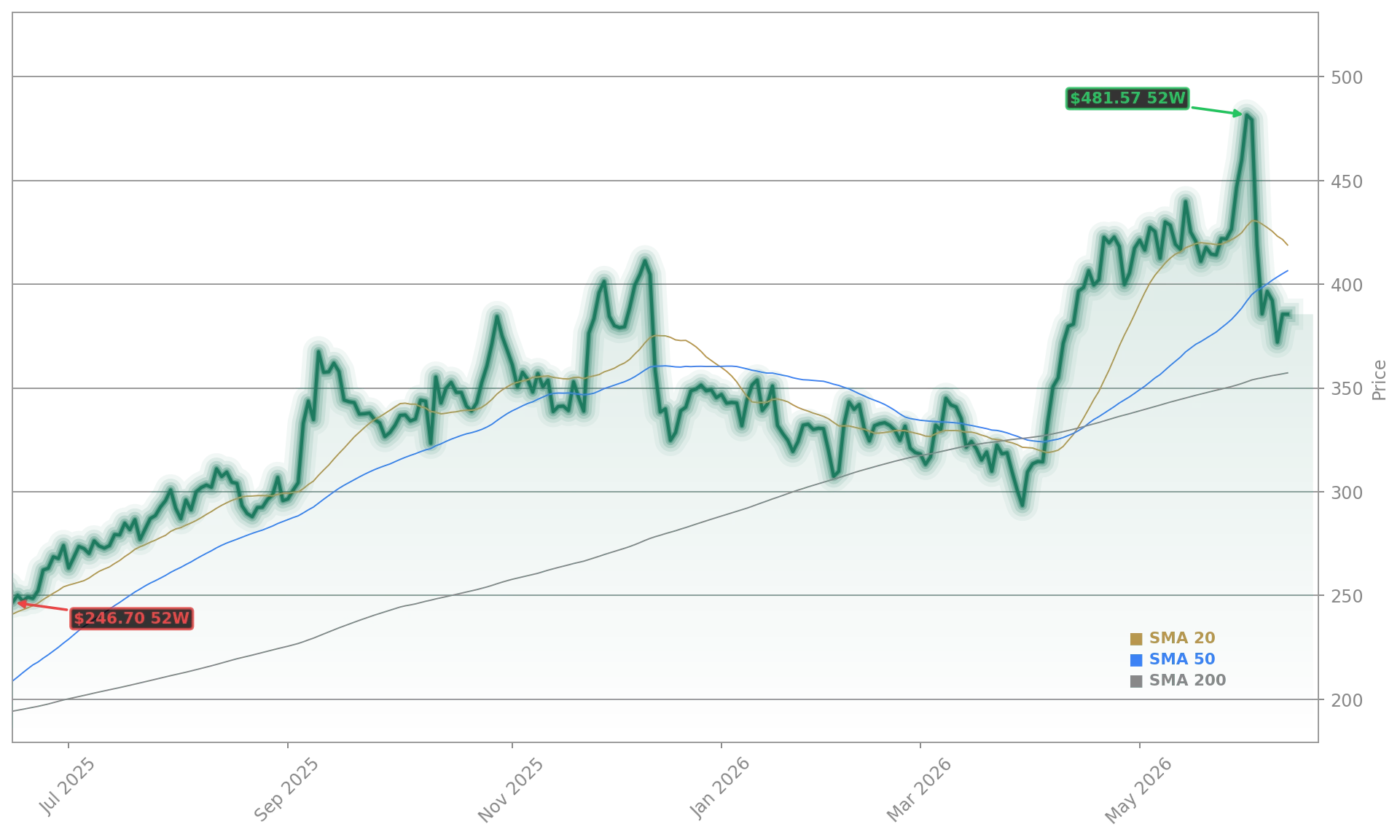
Broadcom Partnership momentum is giving investors more than one reason to follow AVGO. Between Samsung’s fixed wireless platform, LSEG’s cloud expansion, and Broadcom’s own Wi-Fi 8 product cycle, the company is widening its role across AI, broadband, and enterprise infrastructure. If execution stays strong, Broadcom could remain one of Wall Street’s most important infrastructure names in 2026.
The BCM68850 is a defining milestone for global fiber networks; we are reshaping the broadband edge as the central intelligence hub of the home.— Philip Radtke
Fazit folgt.