
Are Dell Bylaw Changes a governance power play, or just the backdrop for a politically charged stock surge?

What Do Dell Bylaw Changes Mean for Shareholders?
Dell Technologies Inc. formally adopted revised bylaws on July 2, 2026, as disclosed in its SEC Form 8-K filing. The Dell Bylaw Changes establish stricter eligibility for shareholder proposals: submitters must now hold at least $1 million in market value—or 3% of outstanding voting shares—for a continuous six-month period, and must solicit support from shareholders representing at least 67% of voting power. The amendments affirm Dell’s election to be governed by Section 21.373 of the Texas Business Organizations Code, reinforcing board authority while raising the bar for activist interventions. This move follows a broader trend among S&P 500 tech firms—including Apple and NVIDIA—to recalibrate governance ahead of AI-driven capital allocation shifts.
Why Did Trump’s Dell Endorsement Move the Stock?
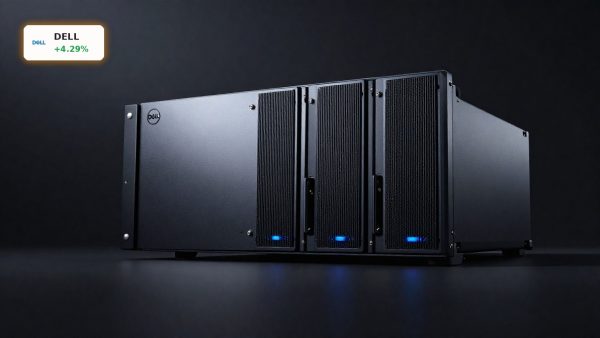
At a White House event launching ‘Trump Accounts’—tax-advantaged investment vehicles for children under 18—Donald Trump urged Americans to ‘go out and buy a Dell computer,’ citing his son’s use of a Dell laptop. The endorsement came on the heels of a $1 billion commitment from Michael and Susan Dell to seed the program. Dell’s shares spiked over 8% in early trading before settling at +4.29%, outperforming both the Dow Jones Industrial Average (+0.3%) and the tech-heavy NASDAQ (+0.7%). While political rallies often fade, this one carries tangible weight: the Dell-White House alignment signals potential federal IT procurement tailwinds and strengthens Dell’s positioning against rivals like Tesla-affiliated infrastructure providers in AI-adjacent government contracts.
How Do Dell Bylaw Changes Compare to Peers?
Unlike Apple or Microsoft, Dell has historically maintained lower shareholder proposal volume—making these Dell Bylaw Changes less about defense and more about strategic clarity. Broadcom (AVGO), for example, recently lowered its proposal threshold to $25,000, while Dell’s new $1 million bar sits near the upper end of S&P 500 norms. Raymond James analysts noted in a July 6 report that the governance update ‘reinforces Dell’s focus on long-term capital discipline,’ particularly as AI server revenue grows at a 42% YoY clip. Meanwhile, Morgan Stanley upgraded Dell to ‘Overweight’ last week, citing ‘structural margin expansion in infrastructure solutions’—a direct counterpoint to concerns about PC market cyclicality.
Is Dell’s Rally Sustainable Amid Broader Tech Strength?
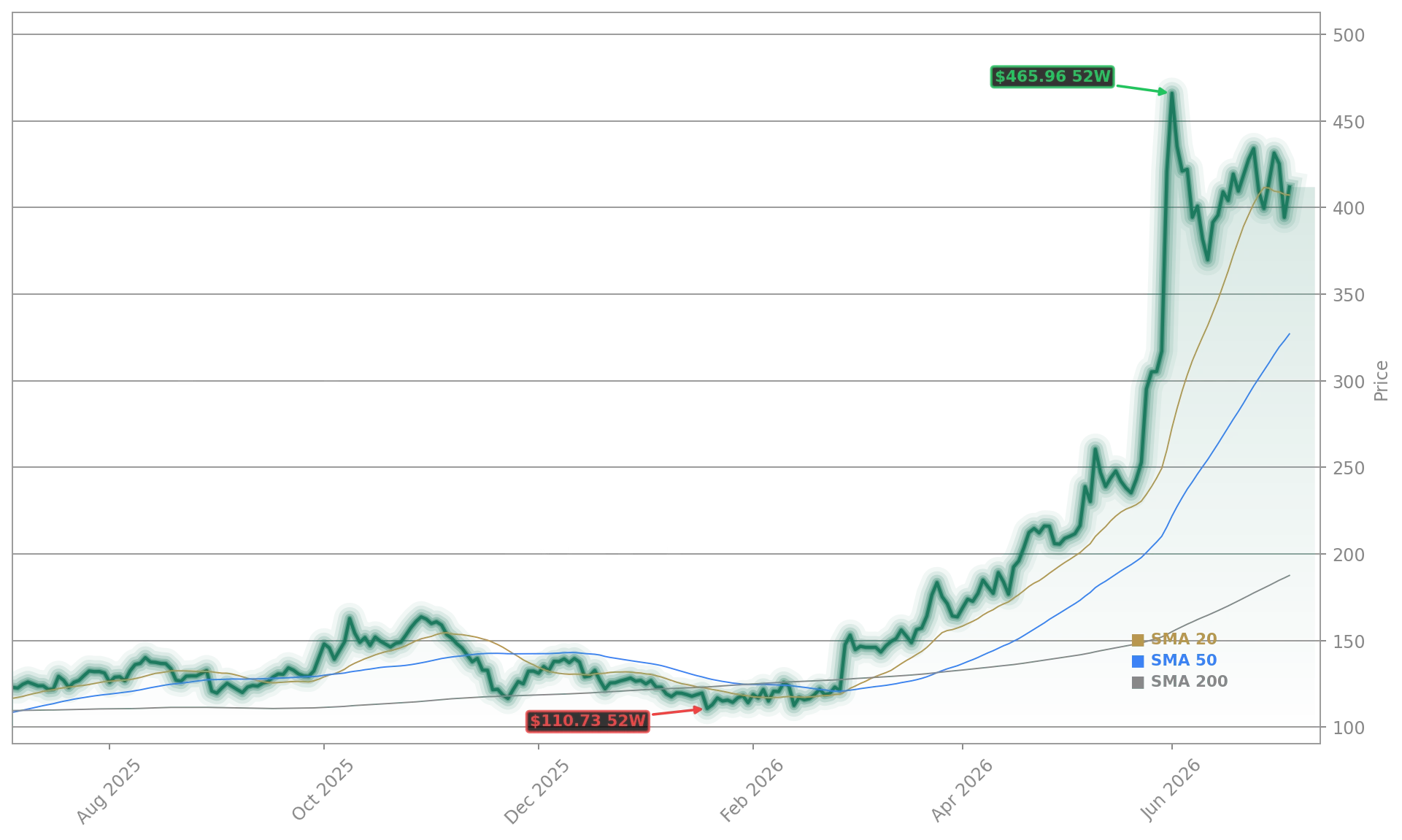
Dell’s 4.29% gain occurred amid broad-based strength in semiconductor and AI infrastructure stocks—Samsung and SK Hynix earnings previews lifted the sector, and Broadcom extended its Apple supply agreement. Trading volume hit 7.1 million shares, slightly below its 50-day average, suggesting institutional accumulation rather than retail speculation. Options traders are pricing in elevated volatility (80% IV), but the stock remains 12.3% below its June 1 all-time high of $469.47—leaving meaningful upside if AI server demand sustains. Analysts at Citigroup raised Dell’s price target to $450, calling the stock ‘a core AI infrastructure holding’ with ‘underappreciated cash flow durability.’ As the NASDAQ continues its Q3 2026 rally, Dell’s dual catalyst—governance clarity and political visibility—positions it uniquely among large-cap tech names.
Dell’s governance update reinforces board authority while raising the bar for activist interventions.— Raymond James Analyst Report, July 6, 2026
Related Coverage: Dell’s political momentum isn’t isolated—Dell Trump Accounts +4.3% as White House Hype Lifts DELL explores how the ‘Trump Accounts’ initiative could translate into multi-year federal and educational IT spending. The article details how Michael Dell’s $1 billion pledge aligns with broader infrastructure modernization plans—and why Wall Street is treating this as more than a headline event. Analysts at Sahm Capital have also emphasized Dell’s AI server growth as a valuation re-rating catalyst, noting that its infrastructure segment now contributes over 38% of total revenue—up from 22% two years ago.