Are Eli Lilly Earnings riding a temporary GLP‑1 sugar high, or is this the start of a durable new profit cycle?

How strong were Eli Lilly Earnings last quarter?
Eli Lilly and Company delivered a powerful start to 2026, underscoring why it has become one of the most closely watched names on the NYSE. For Q1 2026, revenue reached about $19.8 billion, up roughly 56% year over year, while adjusted EPS of $8.55 came in far ahead of the roughly $6.79 consensus. Management responded by lifting full‑year 2026 revenue guidance to a range of $82–85 billion, signaling confidence that the demand surge for its GLP‑1 franchise has staying power.
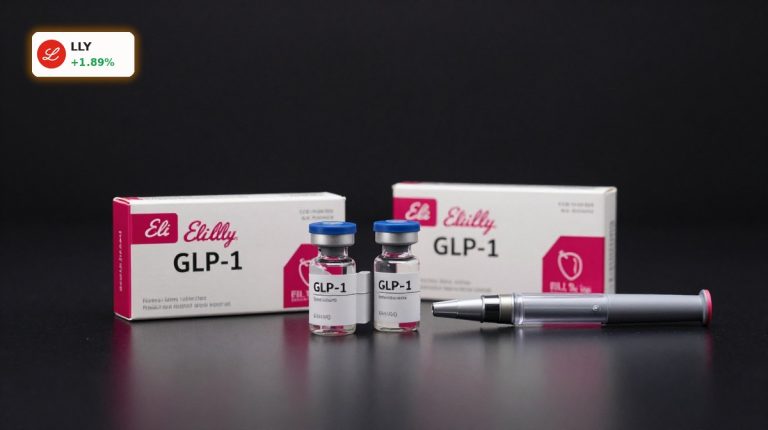
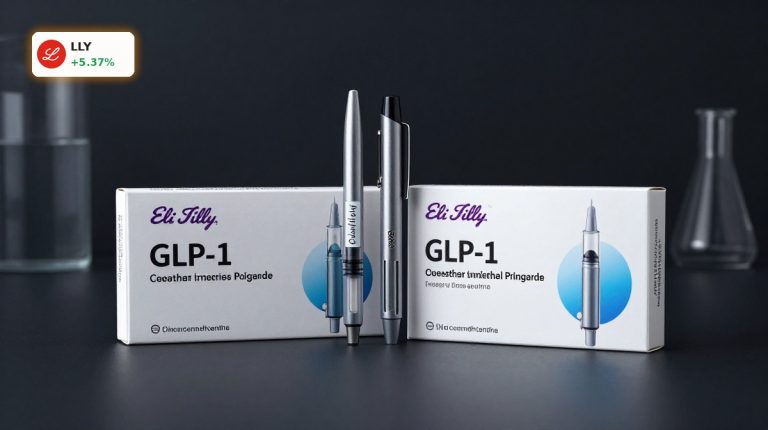
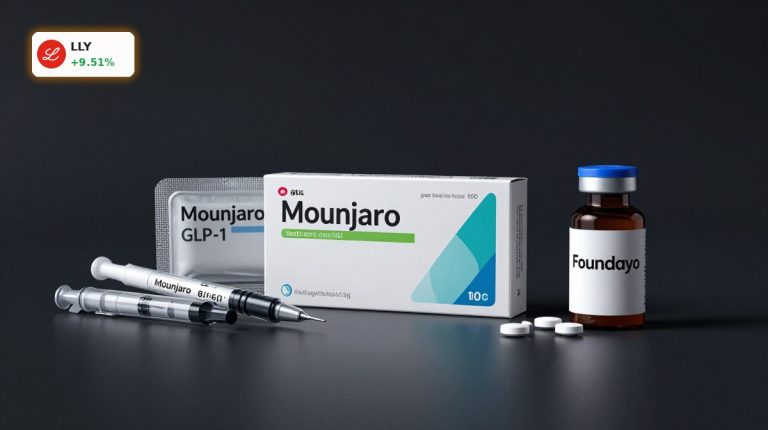
The engine behind these Eli Lilly Earnings is clear. Diabetes and obesity drug Mounjaro generated about $8.7 billion in Q1 sales, up roughly 125% from a year earlier, and newer weight‑loss brand Zepbound added another $4.2 billion. Together, they now account for the majority of the company’s top‑line, pushing Lilly into the rarefied air of mega‑cap growth stories more often associated with NVIDIA or Apple than a 150‑year‑old pharma group.
What do these results mean for Eli Lilly Earnings power?
For portfolio managers, the latest Eli Lilly Earnings underscore that this is no longer a traditional defensive drug stock. On a forward P/E of about 34x, the market is treating Lilly more like a growth compounder than a bond proxy. By contrast, legacy peer Pfizer trades around 9x forward earnings with a far higher dividend yield, highlighting how investors are willing to pay a premium for GLP‑1‑driven momentum.
That premium rests on the belief that current profits are only the first chapter. Mounjaro has already overtaken Merck’s cancer blockbuster Keytruda as the world’s best‑selling prescription medicine, signaling just how large the obesity and diabetes opportunity has become. If penetration of anti‑obesity drugs expands across the U.S. and into employer, Medicare and international reimbursement channels, Lilly’s earnings base could grow for years before saturation. However, any cracks in volume growth, pricing or supply could quickly pressure that high‑expectation multiple.
How fierce is the GLP‑1 battle with Novo Nordisk?
The competitive backdrop adds another layer to the Eli Lilly Earnings debate. Danish rival Novo Nordisk has been cutting prices on Ozempic and Wegovy in key markets like India to defend share against generics and scale the market. In India, Novo’s April GLP‑1 sales reportedly jumped about 40% after sharp price reductions, even as Lilly still holds the top sales position there. That tug‑of‑war hints at future dynamics in other regions if copycats and local challengers appear.
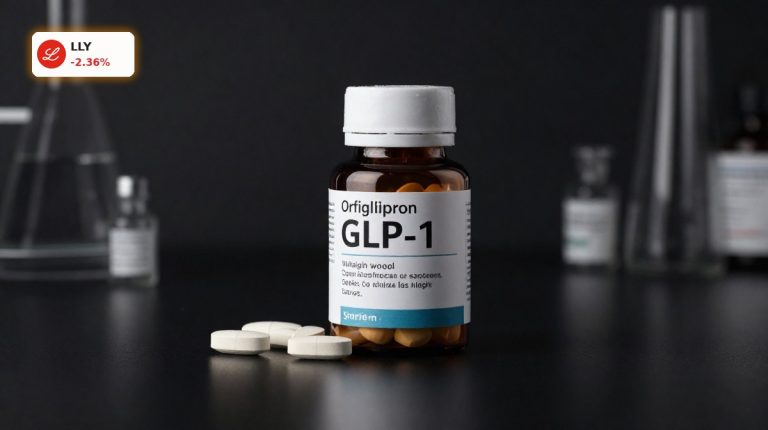
At the same time, Lilly has moved to broaden its GLP‑1 moat. The company recently secured FDA approval for Foundayo, an anytime oral GLP‑1 therapy, and reported strong Phase 3 data for retatrutide, a next‑generation, multi‑receptor obesity drug candidate. Those pipeline wins could support Eli Lilly Earnings well past the broader industry’s looming patent cliff, which threatens more than $300 billion in branded drug revenue across Big Pharma by 2030.
How is Eli Lilly investing its cash windfall?
The strength of recent Eli Lilly Earnings is also reshaping its capital allocation strategy. Rather than leaning on cost cuts, Lilly is using GLP‑1 cash flow to buy capabilities. The company has acquired or partnered with biotech names like Orna, Centessa, Kelonia and Ajax, and committed roughly $2.75 billion to an AI‑driven drug discovery alliance with Insilico, anchored by the Pharma.AI platform. It is also building an AI co‑innovation lab with NVIDIA to accelerate target identification and molecule design.
For income‑focused investors, the trade‑off is that Lilly’s dividend yield sits near 0.7%, far below the 4–6% yields available from more mature pharma names. Management appears to be prioritizing reinvestment and acquisitions over aggressive cash returns, betting that high‑teens or better earnings growth will matter more than near‑term income. If that strategy works, current Eli Lilly Earnings could be just the base of a larger profit stack later in the decade.
Is the stock too expensive after a 400% run?
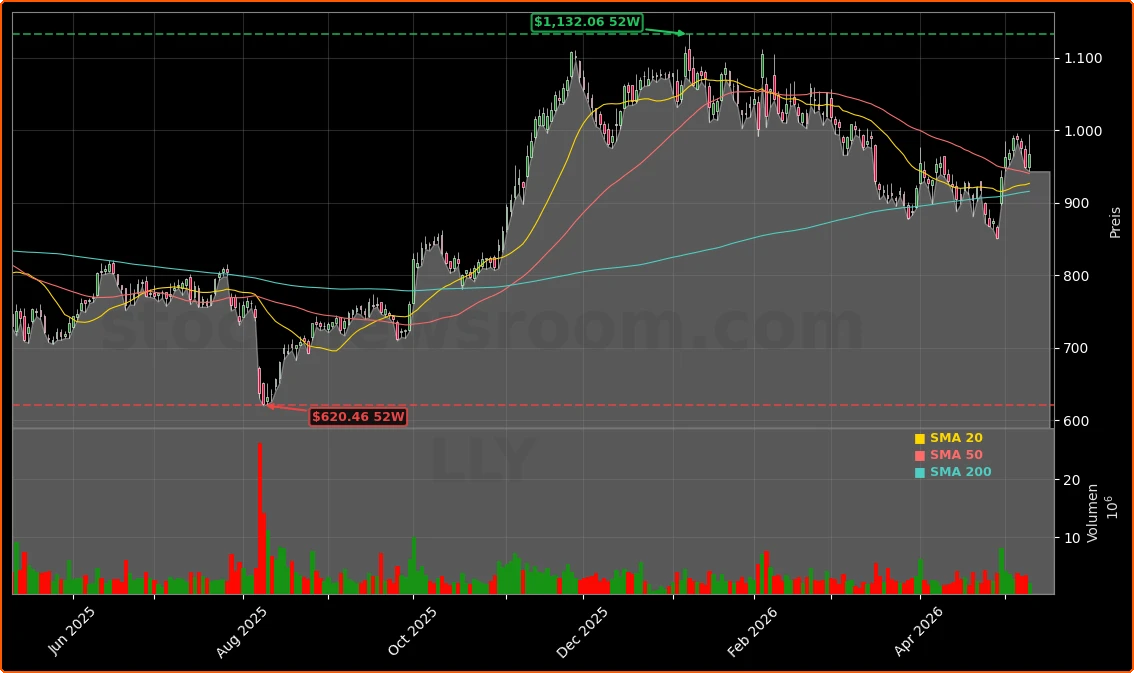
With the share price just under $1,000 and roughly 400% higher than five years ago, valuation anxiety has become the main counterpoint to the otherwise upbeat Eli Lilly Earnings story. Some market strategists describe the stock as hitting a “bottleneck,” where even strong quarters may not produce much upside if expectations are already stretched. The comparison to growth darlings in tech is increasingly common, and any stumble could trigger a sharp de‑rating similar to what high‑multiple software names have experienced.
At the same time, the broader obesity theme still feels early. U.S. employers are only beginning to integrate GLP‑1 coverage into benefits, including through partnerships such as Omada Health’s integration into Lilly’s Employer Connect program and the Optum Rx Weight Engage portfolio. If outcomes data continue to show meaningful reductions in cardiovascular risk and healthcare costs, coverage could expand, supporting both volumes and long‑term Eli Lilly Earnings growth.
Related Coverage
Investors who want to dive deeper into the drivers behind recent Eli Lilly Earnings can read a detailed breakdown in “Eli Lilly Earnings Soar 156% as GLP‑1 Boom Lifts Outlook”. That analysis walks through how the obesity wave is flowing through Lilly’s income statement, how guidance has evolved, and what it may mean for valuation if GLP‑1 momentum remains intact.
2026 is off to a strong start…we also delivered pipeline progress across all four therapeutic areas and continued investing in Lilly’s future growth through acquisitions.— David Ricks, CEO of Eli Lilly and Company
Eli Lilly Earnings now sit at the center of one of Wall Street’s biggest growth narratives, powered by GLP‑1 demand, an aggressive pipeline and AI‑driven dealmaking. For U.S. investors, the stock offers a rare combination of big‑cap scale and revenue acceleration, albeit at a premium multiple that leaves little room for disappointment. The next few quarters will show whether management can keep converting scientific lead into sustained profit growth, and for now Eli Lilly remains one of the most consequential healthcare stories in the S&P 500.