
Can IBM Quantum Funding turn a legacy tech giant into Wall Street’s next frontier-computing winner?

Why is IBM Quantum Funding moving the stock?
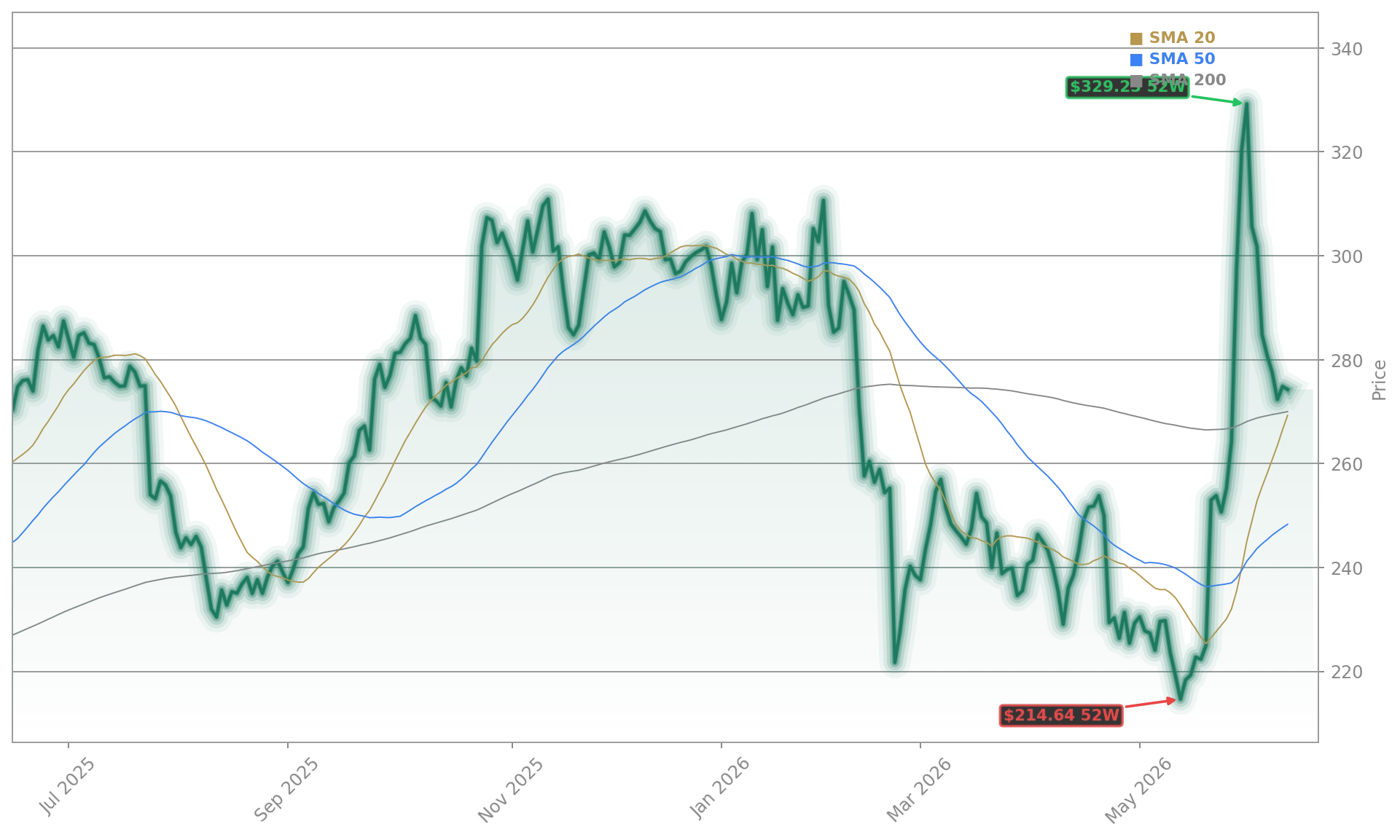
The immediate catalyst is a new wave of enthusiasm around IBM Quantum Funding after Washington-backed spending plans for quantum technologies pointed a major share of the capital toward IBM. Market chatter centers on roughly half of a $2 billion federal quantum package flowing to IBM, while the company is also pushing a much larger internal commitment of more than $10 billion over five years to build a large-scale fault-tolerant system by 2029. That combination matters for Wall Street because IBM is not a speculative pure-play. It is a profitable enterprise technology company using quantum as an upside driver rather than a last-chance story.
The move also fits the broader tape. IBM was among the strongest names in the major indexes on Friday, alongside tech leaders such as Microsoft and software-heavy peers benefiting from renewed confidence in durable cash-generating platforms. Barron’s highlighted IBM as one of the key pre-market gainers on Monday, underscoring that the momentum did not end with last week’s close.
How does IBM compare with rivals?
For investors looking across the quantum field, IBM stands apart from IonQ, D-Wave, and Rigetti because it combines research depth with scale and profitability. In Q1 2026, IBM posted $15.9 billion in revenue and $4 billion in adjusted EBITDA. By contrast, the smaller quantum-focused names are still deeply loss-making even as some of them report faster percentage revenue growth from much smaller bases. That is why IBM Quantum Funding is resonating beyond the thematic trade: it strengthens a business that already has established software, consulting, infrastructure, and hybrid cloud operations.
IBM’s partnership with the Department of Commerce on the Anderon quantum wafer foundry in New York adds another strategic layer. It suggests the US wants domestic quantum manufacturing capacity, not just lab research. For long-term investors, that lowers some execution risk compared with backing early-stage rivals outright. It also helps explain why IBM’s recent rally looks different from momentum bursts in more speculative names. Instead of betting on a single product cycle, shareholders are buying exposure to quantum inside a mature platform that still competes with giants like NVIDIA and Apple for enterprise technology budgets.
What are analysts saying about IBM?
Analyst support is adding fuel. Barclays initiated a fresh Overweight rating and set a $350 price target, arguing IBM can deliver mid-single-digit organic growth and margin expansion, particularly in software. That call is important because it reframes IBM as more than a legacy turnaround. It ties the quantum narrative to earnings quality and operating leverage. Elsewhere, RBC Capital lifted its target to $300, while HSBC moved to Hold as quantum prospects improved. Wall Street’s consensus is still far from euphoric, which may leave room for further upgrades if execution holds.
Valuation is another piece of the story. IBM has been described as trading near 22 times earnings, below the broader quantum peer group average near 35. Investors who missed earlier AI winners may see IBM as a more disciplined way to access frontier computing than chasing highly volatile niche stocks. That does not make the stock cheap after a near-20% weekly move, but it does help justify why institutional money may be more comfortable adding IBM than smaller pure-play quantum names.
Can IBM keep this momentum going?
The next question is whether the pre-market surge can turn into a sustained rerating. IBM still derives most of its business from traditional enterprise segments, so quantum will not transform the income statement overnight. But the market increasingly rewards credible optionality, especially when it sits on top of real free cash flow, dividends, and analyst-visible software expansion. IBM Quantum Funding gives investors a concrete reason to revisit the stock after years of skepticism.
Related Coverage: Investors tracking this latest move may also want to read IBM Quantum Investment +3.9% as $10B Quantum Plan Lands, which looked at how IBM’s earlier spending announcement reshaped the bull case. That piece provides useful context for why today’s IBM Quantum Funding momentum is being treated less like a one-day headline spike and more like a strategic revaluation.
IBM Quantum Funding has turned IBM into one of the market’s most interesting large-cap technology stories. For investors, the appeal is clear: government backing, a sizable in-house roadmap, and analyst support are reinforcing a profitable business rather than rescuing a fragile one. If IBM continues converting quantum ambition into software growth and manufacturing milestones, this breakout could have more room to run.