Can Microsoft turn its AI infrastructure push into another leg higher for the stock as Build conference expectations intensify?

Why is Microsoft AI Infrastructure in focus?
The latest move in Microsoft shares reflects more than a broad tech rebound. Investors are responding to signs that Microsoft AI Infrastructure is deepening its role inside enterprise computing, from Azure capacity and model deployment to GitHub Copilot and Microsoft 365. Reuters reported that Microsoft plans to unveil a new coding model and other specialized AI models at its Build conference next week, a step that could strengthen its software stack while reducing dependence on OpenAI over time.
That broader build-out matters because hyperscalers remain the gatekeepers of AI economics. OpenAI, enterprise software customers, and other model users still rely on giant cloud providers and on NVIDIA GPUs to run advanced workloads. In that environment, Microsoft’s ability to monetize both infrastructure and applications gives it a dual advantage versus peers focused on only one layer of the stack.
How do Microsoft and LinkedIn fit together?
LinkedIn is also part of the current Microsoft story. The professional network is cutting jobs across business, marketing, engineering, and product teams while scaling back spending on customer events, marketing campaigns, and underused office space. Management framed the moves around shifting investment toward infrastructure and higher-priority initiatives over the long term.
For investors, that signals financial discipline rather than a retreat. Microsoft has been one of the companies committing enormous capital to AI, alongside Amazon, Alphabet, and Meta. Reports suggest those four companies alone are on track to spend more than $700 billion combined this year, with most of that aimed at AI capacity. In that context, reallocating spending inside LinkedIn fits the market’s preference for directing resources toward higher-return AI and cloud projects.
Can Microsoft outperform Apple and peers?
Competition remains intense. Apple is using on-device AI features to stimulate iPhone and Mac demand, while enterprise AI buyers are also evaluating offerings from Oracle and others. But Microsoft still stands out for monetizing AI across multiple channels at once: cloud infrastructure, productivity software, coding tools, security, and commercial subscriptions.
Recent product changes support that case. PCWorld detailed new Copilot controls designed to make the assistant more manageable inside documents and presentations, including read-only modes and section-specific limits. Those changes may look incremental, but they address a practical issue for enterprise adoption: businesses want AI that is useful without becoming intrusive.
There are risks. Security headlines remain a pressure point after fresh warnings around Microsoft 365 phishing tactics and a separate dispute over Windows zero-day disclosures. At the same time, some AI software pricing is shifting toward usage-based models, which could pressure enterprise customers and potentially slow adoption if budgets tighten.
What are analysts and traders watching now?
Microsoft’s advance also follows upbeat sentiment from Wall Street. Benzinga highlighted the stock’s momentum after Dell’s strong results and federal contract news, which investors viewed as a read-through for Microsoft’s software and cloud presence in government environments. TradingKey also pointed to robust AI revenue growth and continued Microsoft 365 Copilot traction as reasons for the latest move.
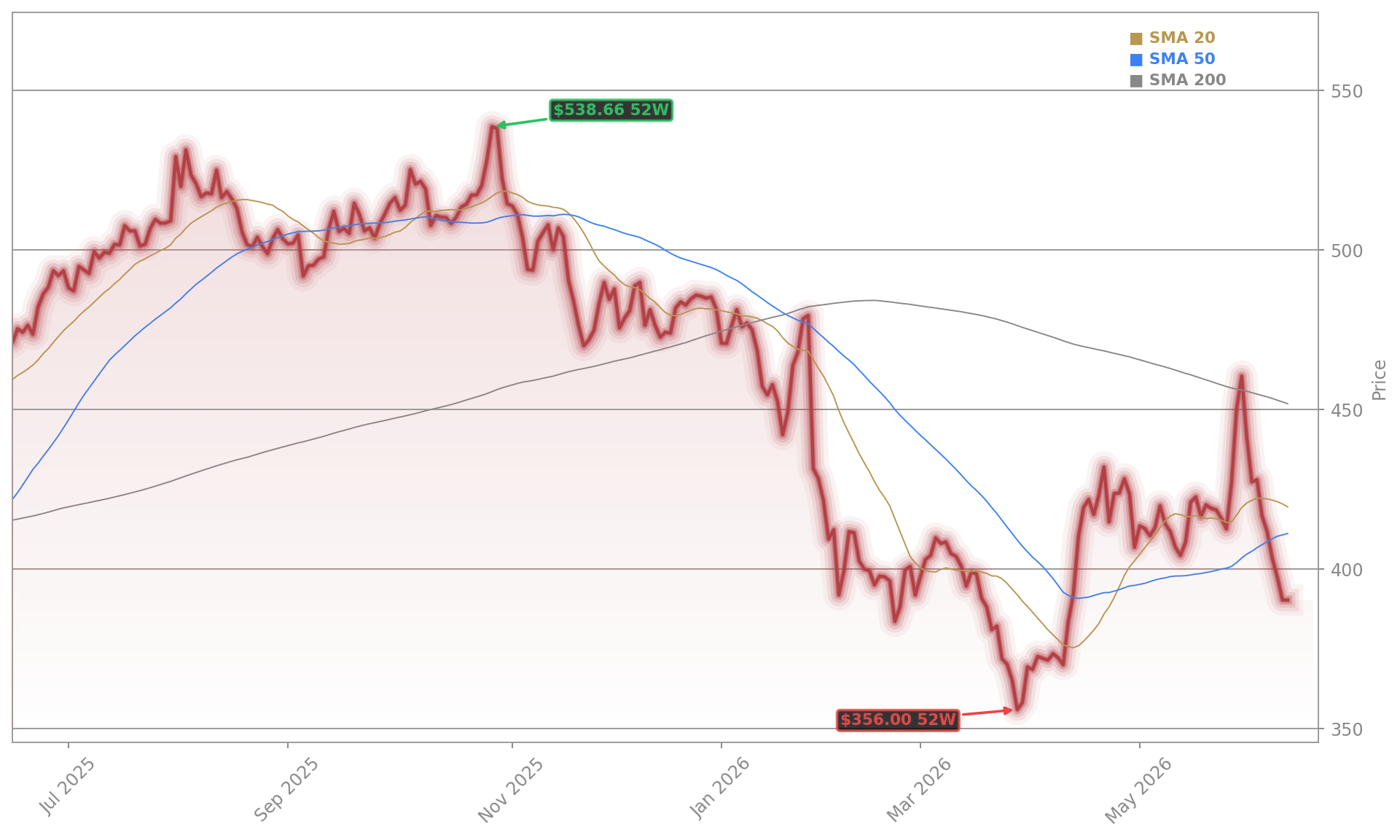
While the source material here does not include fresh calls from banks such as Citigroup or RBC Capital Markets, investors are clearly watching for any new analyst target revisions after Build. Technically, traders are monitoring whether Microsoft can build on this week’s breakout and challenge higher resistance levels. At $442.79, the stock is rising sharply, but there is no basis to call it a 52-week high from the available market data.
Related Coverage: StockNewsroom recently examined whether Microsoft’s latest AI push can translate spending into stronger product leadership. In Microsoft AI Models +3.3% as Build AI Push Accelerates, the focus was on coding tools, cloud leverage, and the next phase of Microsoft’s platform strategy. That piece complements today’s setup by showing how software launches and infrastructure investment are increasingly moving together.
Microsoft AI Infrastructure is now the key lens for investors: it connects Azure demand, Copilot monetization, model launches, and disciplined capital allocation. If Build delivers credible product gains and Azure keeps converting AI demand into revenue, Microsoft could strengthen its position as one of Wall Street’s most durable large-cap AI plays.
“We need to reinvent how we work, with agile teams focused on our highest priorities, and by shifting investments toward areas such as infrastructure to fulfill our mission and vision over the long term,”— Daniel Shapero
Fazit folgt.