

Is MicroStrategy’s Bitcoin-fueled capital strategy creating a governance edge—or a conflict that common shareholders may eventually pay for?

What triggered the MicroStrategy Conflict?
On May 26, Kash Patel filed an amended financial disclosure indicating his investment in MicroStrategy Incorporated had been ‘inadvertently omitted’ from earlier reports. As a registered U.S. government contractor, MicroStrategy Incorporated’s ties to senior policymakers—including Patel and Representative Shri Thanedar, who reported a similar holding 13 months late—have intensified focus on potential conflicts under the STOCK Act. This isn’t a technicality: it’s a material governance signal for institutional investors monitoring S&P 500–eligible names with crypto exposure. With the Nasdaq down on Friday and the S&P 500 flat, MSTR’s +0.01% intraday move stood out—not as a rally, but as a pause amid mounting regulatory optics.
Why is STRC fueling investor skepticism?
The STRC preferred share vehicle remains the epicenter of the MicroStrategy Conflict. With an annual dividend cost of $1.2 billion and a newly raised 12% rate, STRC now consumes over 85% of MicroStrategy Incorporated’s $1.4 billion cash reserve. According to CoinDesk, the company’s new Digital Credit Capital Framework includes $2 billion in buyback authorizations—but only for STRC and other preferred securities, not common stock. That structural asymmetry has drawn criticism from Peter Schiff and raised red flags for RBC Capital Markets, which downgraded MSTR to ‘Underperform’ last week, citing ‘increasing dilution risk for common shareholders’ and ‘unpredictable BTC monetization timing.’
How does MSTR’s rally fit the broader crypto equity narrative?
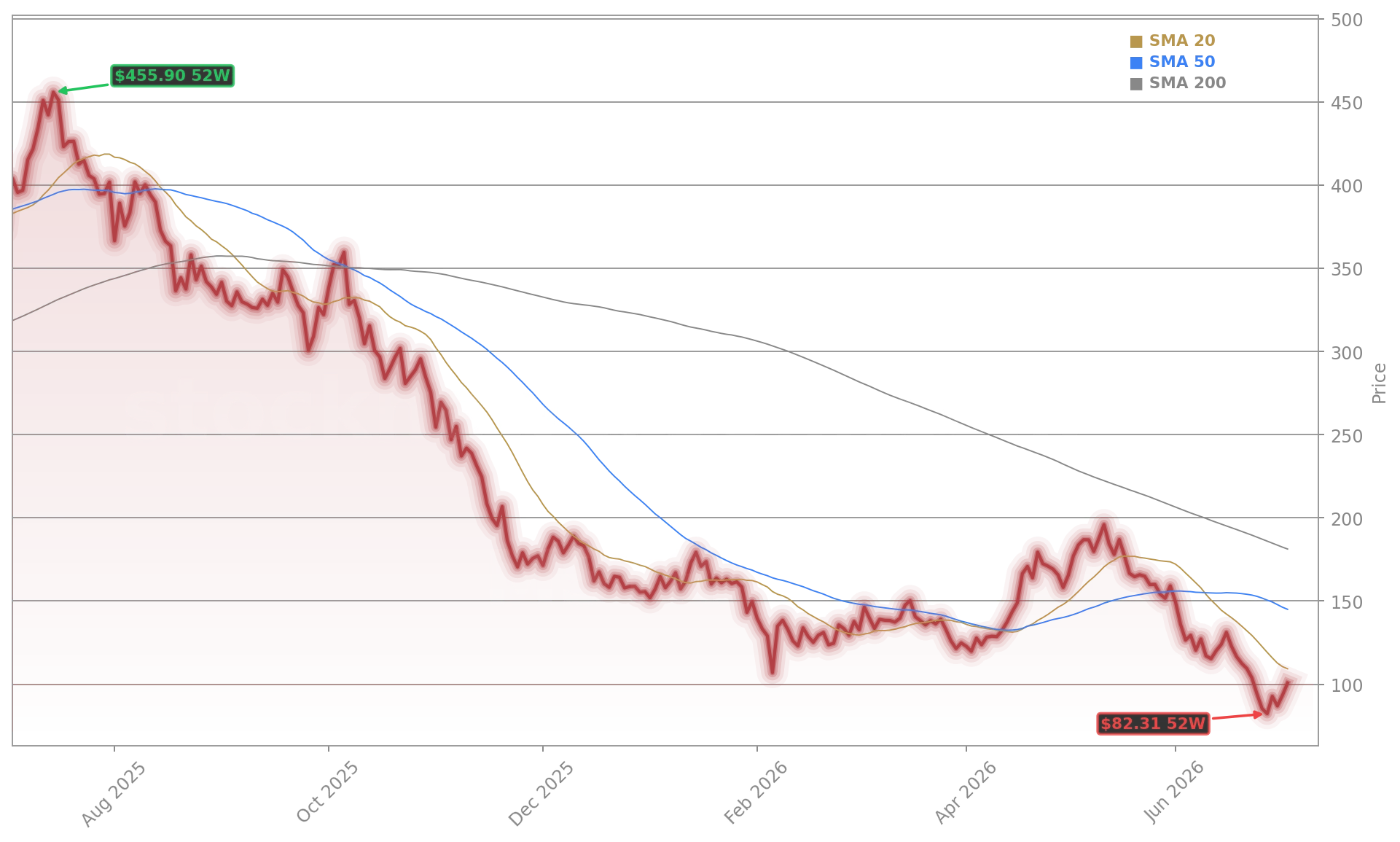
MicroStrategy Incorporated’s 20% weekly gain contrasts sharply with broader market pressure: the Nasdaq fell 0.4% on Friday, while Tesla dropped 7.5% and Apple edged lower amid AI chip demand concerns. MSTR’s rebound coincided with Bitcoin stabilizing near $62,000—but not before a 15% intraday swing. TradingView notes the stock’s ‘leveraged bet on Bitcoin’ status makes it uniquely volatile, especially amid ETF outflows and Fed rate speculation. Still, Benchmark Equity Research reiterated its ‘Buy’ rating, calling the new capital framework ‘a decisive step toward active balance-sheet stewardship.’ That divergence—bullish fundamentals versus bearish governance—defines today’s MicroStrategy Conflict.
What’s next for MSTR’s capital structure?
MicroStrategy Incorporated’s $1.25 billion BTC monetization program—announced June 29—allows strategic Bitcoin sales to fund dividends, buybacks, and USD reserves. But with 847,363 BTC held at an average $75,500 cost, each $1,000 BTC dip erodes $847 million in unrealized value. The Rosen Law Firm’s active investigation into potential misleading disclosures adds legal overhang, even if, as analysts at Citigroup note, such probes ‘often precede settlement rather than litigation.’ Meanwhile, CFO Andrew Kang’s recent sale of 33,062 shares for tax purposes—under a pre-arranged Rule 10b5-1 plan—was neutral in tone but added to insider transaction volume that’s up 40% year-to-date versus 2025.
How does this impact U.S. portfolios?
For U.S. investors, MicroStrategy Incorporated represents more than crypto exposure—it’s a litmus test for governance in non-traditional tech equities. While NVIDIA and Tesla dominate AI and EV narratives, MSTR’s volatility reflects a different risk premium: regulatory opacity, capital misalignment, and concentration. Its 25% weight in the Bitwise Crypto 10 Index means any MSTR correction ripples across crypto ETFs. With the S&P 500’s tech sector up 12% YTD but crypto stocks flat, MSTR’s rally may signal short-term sentiment recovery—or a last gasp before Q3 earnings force a reckoning on STRC sustainability.
The STRC structure creates a permanent capital drain that benefits preferred investors at the expense of common shareholders — especially during BTC drawdowns.— RBC Capital Markets Analyst
Related Coverage: For deeper analysis of how MicroStrategy Incorporated’s $52 billion enterprise value intersects with its Bitcoin treasury strategy, read MicroStrategy Capital Strategy: $52B Warning for MSTR. To understand why the $2 billion buyback authorization may not ease common shareholder concerns, see MicroStrategy Capital Strategy: Why the $2B Warning Matters.