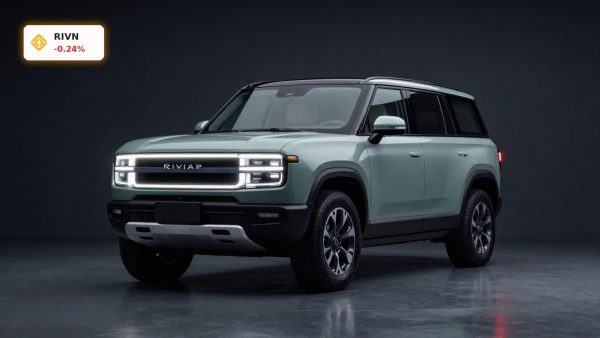
Can Rivian cut jobs and launch the R2 at the same time without deepening Wall Street’s doubts about its path to profit?

Why Rivian Layoffs Now?
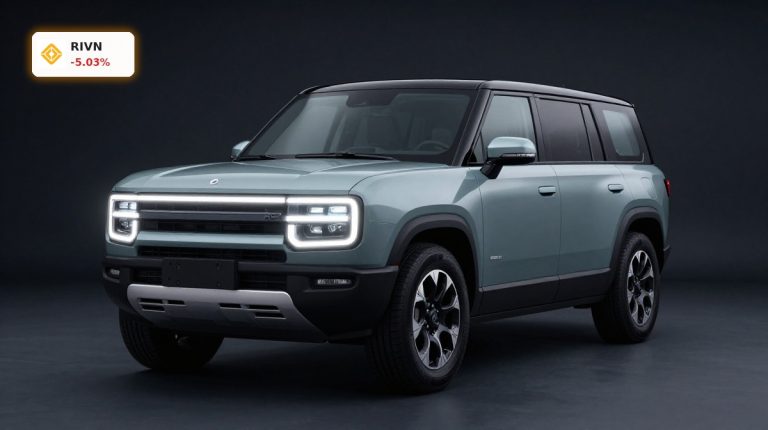
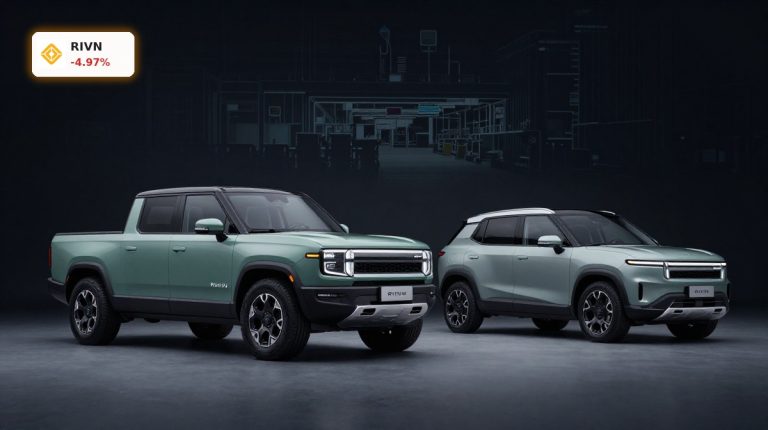
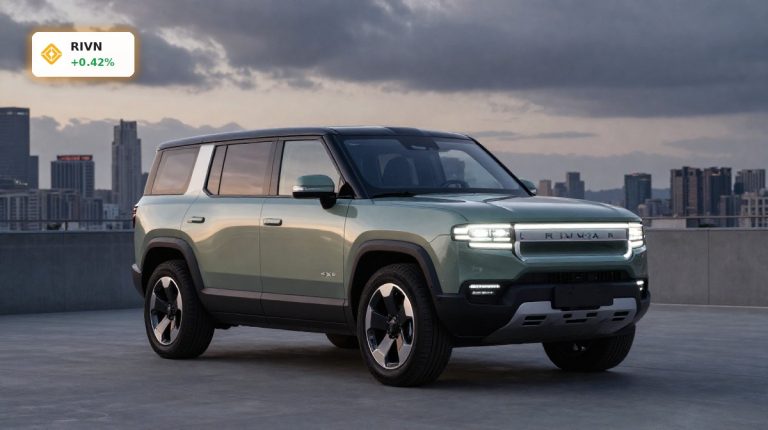
Rivian Automotive, Inc. cut hundreds of jobs — less than 2% of its ~17,000-person workforce — concentrated in service, sales, and marketing teams. The move follows the June 2026 debut of the R2, Rivian’s most important product yet. Unlike previous rounds tied to regulatory shocks (like the September 2025 expiration of the $7,500 federal EV tax credit), this restructuring is explicitly tied to ‘profitably scaling the business,’ per the company’s statement to The Wall Street Journal. That phrasing matters: it signals a shift from reactive trimming to strategic reallocation — pulling resources from customer-facing functions toward R2 manufacturing ramp and autonomous software development, where Uber (UBER) has committed up to $1.25 billion.
How Do Rivian Layoffs Compare to Tesla and Apple?
While Tesla ramps Optimus robot production and Apple advances AI-integrated hardware, Rivian’s approach diverges sharply. Tesla maintains aggressive hiring even amid margin pressure; Apple invests heavily in services infrastructure alongside silicon R&D. Rivian’s decision to thin support teams *as* R2 owners begin calling for help raises red flags for mainstream adoption. Analysts at Citigroup note that ‘service scalability is non-negotiable for mass-market EV brands’ — a benchmark Rivian now risks missing. Contrast that with NVIDIA’s disciplined OpEx management during AI chip rollout: Rivian’s layoff pattern since 2024 (at least four rounds) suggests structural inefficiency rather than tactical optimization.
What Do the Numbers Say About Rivian Layoffs?
The math behind the Rivian Layoffs is stark. In Q1 2026, Rivian’s automotive segment lost approximately $6,000 per vehicle delivered — a dramatic swing from gross profit a year earlier, driven largely by shrinking clean-vehicle credit revenue. Consolidated gross profit totaled just $119 million, with nearly all coming from Volkswagen joint venture software, not vehicles. CFO Claire McDonough warned on the earnings call that R2 launch complexity would ‘negatively impact Automotive gross profit in Q2 and Q3’ before turning positive in Q4. That timeline forces tough choices: cutting payroll — the largest fixed cost — is faster than reengineering supply chains or renegotiating battery contracts. RBC Capital Markets recently downgraded RIVN to ‘Underperform’, citing ‘persistent negative unit economics and rising R&D burn’ amid the Uber partnership.
Is This Just a Blip — or a Pattern?
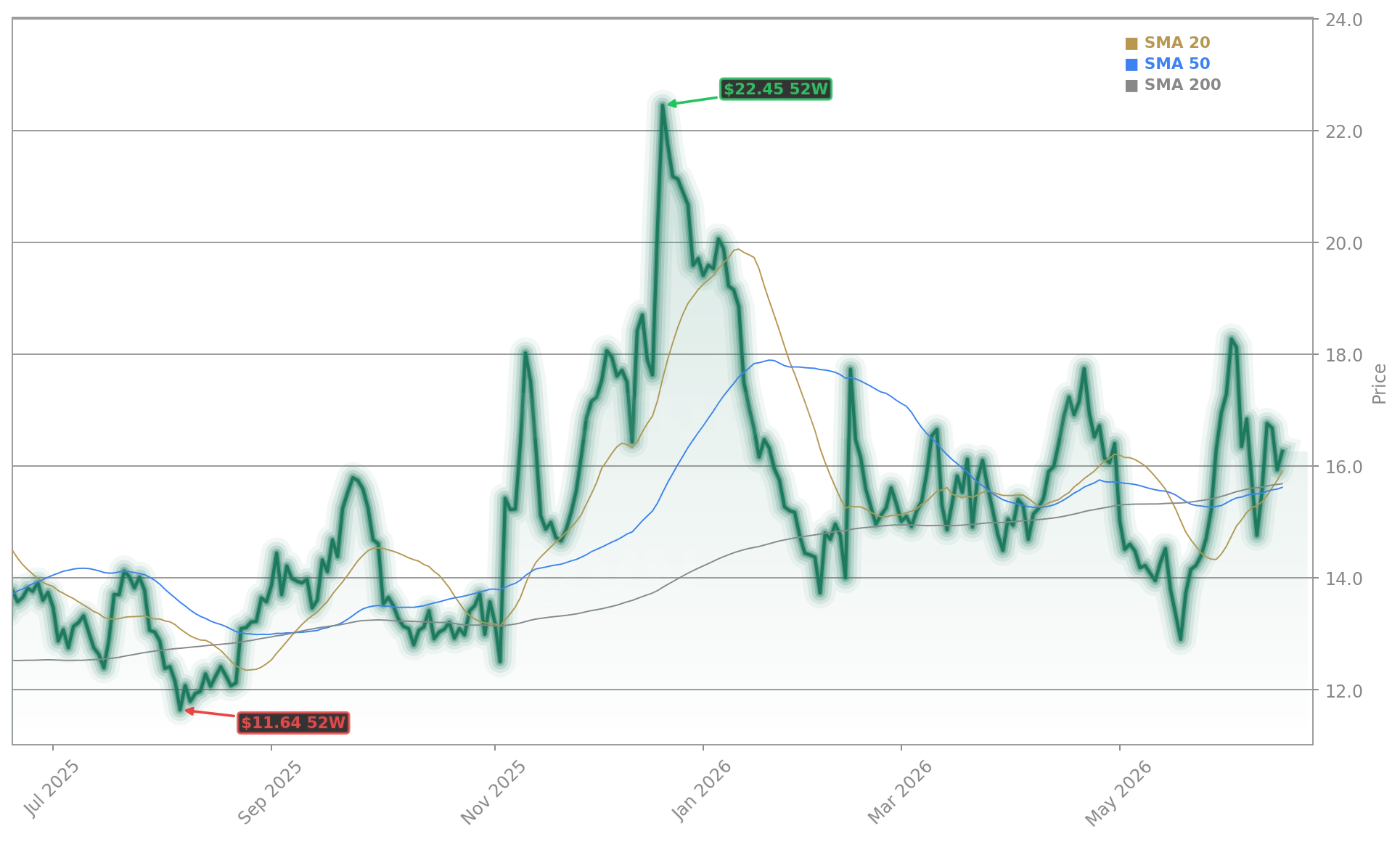
This is at least the fourth round of Rivian Layoffs since early 2024 — including a 4.5% cut in October 2025 after tax credit removal and the March 2026 spin-off of its micromobility unit ‘Also’. Each round coincides with a pivot: from van production to consumer SUVs, from hardware to autonomy, from subsidies to self-funding. Yet profitability remains elusive: Rivian pushed its adjusted EBITDA target out of 2027 entirely in March. Goldman Sachs maintains a $18.50 price target but stresses ‘delivery execution and service reliability will dominate near-term sentiment.’ Meanwhile, the stock trades 3.8% above its 20-day SMA but remains under a death cross — reflecting Wall Street’s skepticism about sustained momentum without concrete margin improvement.
Rivian Layoffs and the Broader EV Sector
Rivian’s moves echo sector-wide recalibration. While legacy automakers like Ford and GM cut jobs amid EV transition costs, Rivian’s layoffs stand out for their timing — concurrent with a flagship launch. That divergence matters for S&P 500 investors holding broad EV ETFs or tech-heavy portfolios. The R2’s $45,000 base price targets direct competition with Tesla’s Model Y — yet Rivian’s service cuts risk alienating buyers who expect premium support. As Wedbush’s Dan Ives argues, ‘Autonomy is the long-term catalyst, but R2 execution is the near-term litmus test.’ With Q2 deliveries expected to hit 18,000–20,000 units, the next quarterly report will reveal whether Rivian Layoffs helped narrow losses — or merely delayed the reckoning.
We recently restructured a handful of teams within Rivian as we work to profitably scale our business.— Rivian Automotive, Inc. spokesperson
Related coverage: Can Rivian Layoffs really move the EV maker closer to profit, or do they signal deeper trouble ahead for the R2 launch? Rivian Layoffs Warning as 2027 Profitability Plan Faces Test. Meanwhile, global AI infrastructure expansion continues to reshape competitive dynamics — as seen in Alibaba Cloud France Launch Fuels Alibaba’s AI Expansion.