
Can Robinhood’s WonderFi takeover turn a 3.2% stock drop into a bigger international growth story?

Why does Robinhood Acquisition matter now?
Robinhood Markets, Inc. closed its acquisition of WonderFi on June 1, completing one of its most important international expansion moves to date. The deal gives Robinhood control of Bitbuy and Coinsquare, two established regulated crypto platforms in Canada, and brings roughly 300,000 funded customers into its ecosystem. Robinhood said WonderFi employees, including the leadership team, will remain with the business, limiting disruption as integration begins.
The strategic logic is clear. Instead of building licenses, compliance systems, and market relationships from scratch, Robinhood bought operating infrastructure in a country where crypto adoption and market revenue are both growing. Management is also using the transaction to rebrand the acquired platforms under the Robinhood name and to offer Canadian users access to the Robinhood app with a flat 0.5% fee per CAD trade.
That makes the Robinhood Acquisition more than a simple customer add-on. It is a faster route to market share in a neighboring jurisdiction with regulatory credibility, and it complements Robinhood’s earlier international buildout through Bitstamp. In crypto brokerage, scale, local compliance, and user trust increasingly matter as much as product breadth.
How does Robinhood compare with rivals?
The move also sharpens Robinhood’s competitive position against digital finance platforms trying to blend trading, payments, and crypto services. While firms such as Coinbase remain more crypto-native and companies like PayPal push digital asset features through broader payment ecosystems, Robinhood is trying to combine lower-cost retail trading with a multi-product financial app. That same app strategy is familiar to investors watching Apple in payments or Tesla in consumer ecosystem design, even if the business models differ.
Robinhood entered US crypto trading in 2018, but its business remains highly sensitive to digital asset activity. In Q1 2026, total revenue rose 15% year over year, while crypto revenue fell 47%, a sharp slowdown from the outsized gains seen in late 2025. That backdrop helps explain why investors may welcome a deal that adds regulated customers and institutional ties instead of relying only on volatile trading cycles.
Recent product launches point in the same direction. Robinhood has introduced AI agents for trading and shopping, expanded bank-like services, and is building an Ethereum layer-2 network that management said processed 4 million transactions in its first week of public testnet activity. The Canada entry broadens the distribution base for that wider platform ambition.
What is Wall Street watching at Robinhood?
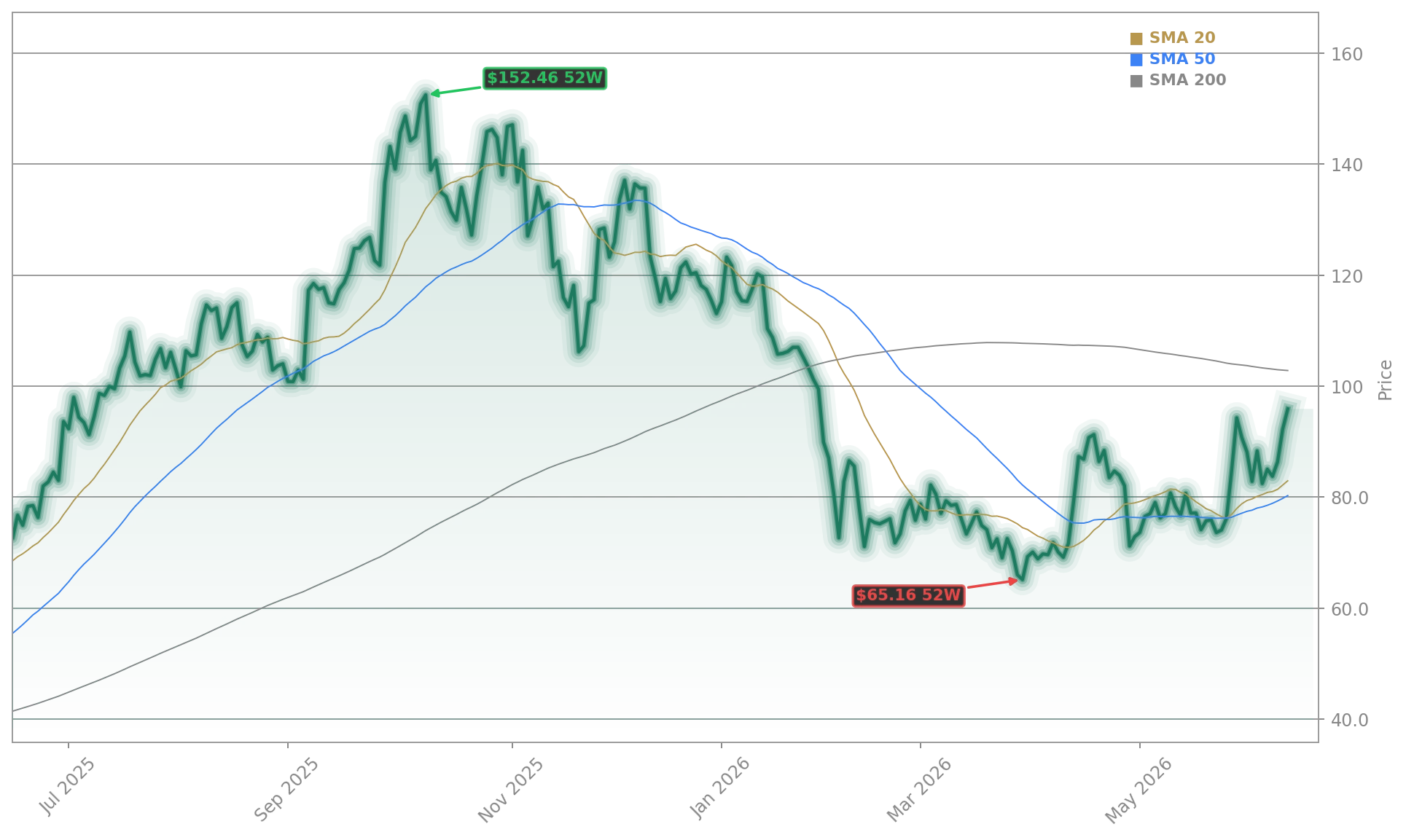
Even with the deal closed, HOOD is under pressure intraday, trading at $87.83 versus a previous close of $90.24. That price action suggests the market is balancing strategic expansion against legal and operating risks. XTB highlighted investor attention around a class-action case tied to Robinhood’s 2021 IPO, while recent SEC filings tracked by Stock Titan showed both a 249,000-share open-market buy linked to director Meyer Malka and previously disclosed hedging activity around the stock. Investing.com also noted a planned sale by director Baiju Bhatt under a Rule 10b5-1 plan.
Notably, the available reporting reviewed here does not include fresh analyst calls from firms such as Citigroup, RBC Capital Markets, Goldman Sachs, or Morgan Stanley on this transaction. That leaves investors focused more on execution than on headline rating changes. If Robinhood can convert WonderFi users smoothly, retain institutional relationships, and show better revenue durability, sentiment could improve.
Related Coverage: Investors following HOOD’s recent momentum may also want to read our analysis of whether Robinhood Event Contracts are fueling a sustainable rally or masking deeper crypto weakness. That earlier piece examines how speculative products can boost engagement in the short run, but also why dependence on risk-on activity can quickly reverse when market conditions change.
WonderFi’s extensive experience operating regulated crypto platforms made it an ideal partner to accelerate Robinhood’s mission in Canada.— Johann Kerbrat
The Robinhood Acquisition gives the company real infrastructure, new customers, and a stronger cross-border crypto position at a time when North American platforms are consolidating. For investors, the next key test is whether this Robinhood Acquisition translates into steadier growth beyond crypto trading swings. If integration goes well, Robinhood’s Canada push could become one of the more important building blocks in its broader financial-services expansion.