Can Robinhood Advisor Network turn traders into long-term wealth clients, or is Wall Street already pricing in too much optimism?

Can Robinhood Advisor Network change the story?
Robinhood is trying to extend its franchise beyond self-directed trading by building out services for registered investment advisors. The centerpiece is the Robinhood Advisor Network, a referral marketplace inside the Robinhood app that will start rolling out next week to a limited group of customers. Users answer questions about goals and finances, then receive a curated list of advisors that use TradePMR, Robinhood’s custody and technology platform for RIAs.
The strategic logic is straightforward. Robinhood had 27.4 million funded customers at the end of Q1 2026, giving it a broad funnel of potential advisory leads. Average platform assets per funded customer were $11,200, which shows many accounts are still relatively small, but also highlights a long runway if customers age, accumulate assets, and seek broader planning help. The company says clients who choose an advisor through the network will be able to view self-directed and advised assets together in one place.
How is Robinhood using TradePMR?
TradePMR has become central to Robinhood’s institutional ambitions. The unit, acquired a little more than a year ago, has grown total assets under administration by 15% to $50 billion since the deal closed. That growth matters because referrals are a powerful lever in an industry where organic client acquisition is expensive and slow.
Robinhood’s asset-management arm will receive an ongoing referral fee from participating advisors, typically 25% of the revenue earned from referred clients. That mirrors a model already used by larger wealth platforms such as Charles Schwab and Fidelity. For Wall Street, this is the bigger message: Robinhood is not just chasing more trading volume, it is trying to capture recurring revenue streams that can look more durable than transaction-driven activity.
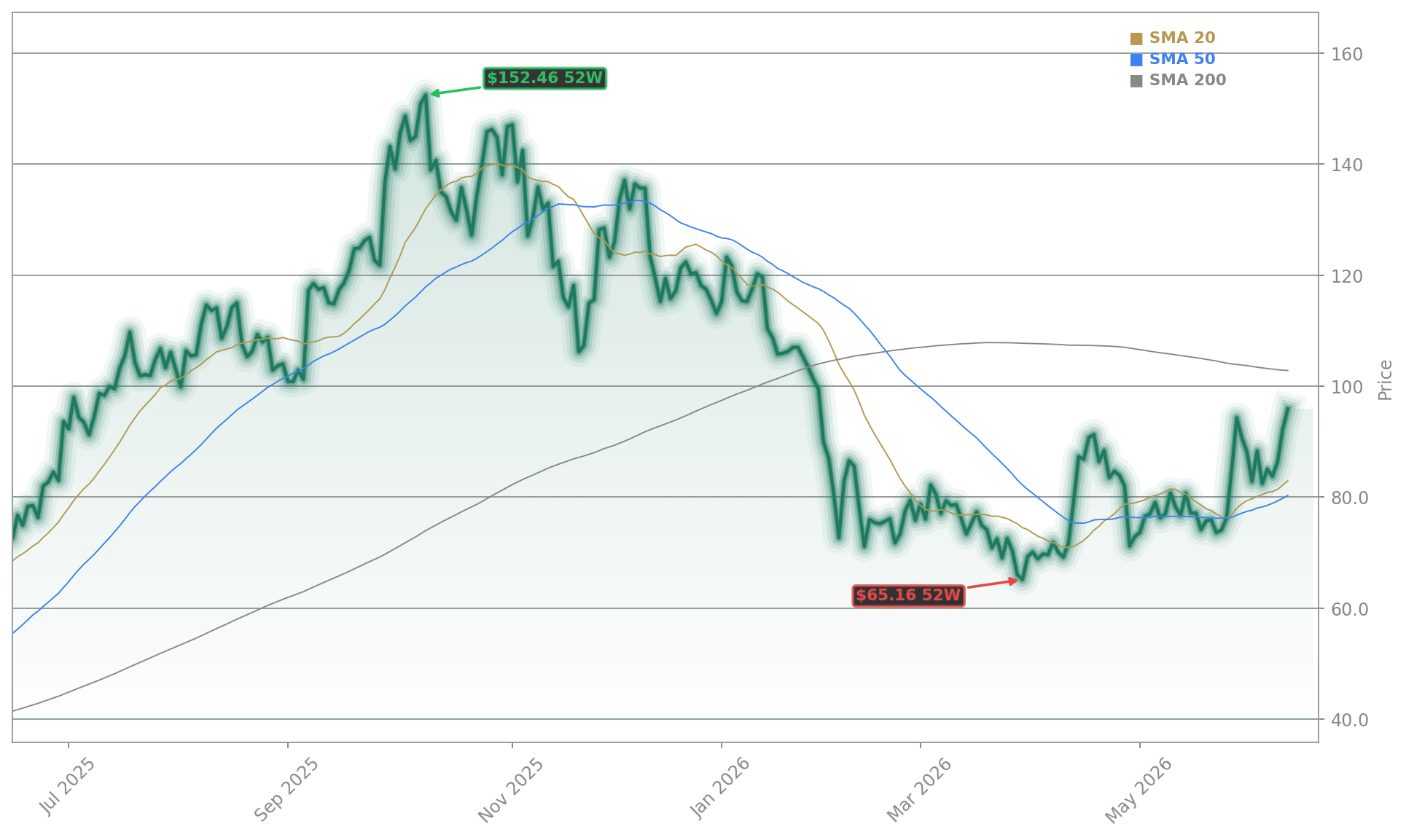
That broader story may help explain why some investors still see pullbacks as interesting, even after the stock’s strong run from around $70 to nearly $90 before the latest retreat. No fresh analyst rating was disclosed in the available material from firms such as Citigroup or RBC Capital Markets today, but the market is clearly reassessing how much of Robinhood’s expansion is already reflected in the share price.
What does AI add for Robinhood?
Robinhood is also extending Robinhood Cortex into TradePMR’s Fusion platform at no additional cost to advisors. In practice, the AI assistant is designed to automate administrative tasks including meeting preparation, performance highlights, follow-up items, and portfolio summaries with possible tax insights at household and account level.
That matters because productivity tools can help smaller advisory firms scale without adding as much overhead. It also gives Robinhood a technology talking point against established rivals while reinforcing its brand as a product-led financial platform. In an industry where Apple-style user experience often shapes adoption, AI-enabled workflow tools could become a differentiator if execution is strong.
Robinhood is also offering lower rates on margin and securities-backed loans for advisors’ clients and is working to bring IPO access to TradePMR advisors, similar to what it already provides on the retail side. If public listings accelerate this year, potential offerings tied to names like SpaceX, OpenAI, or Anthropic could increase the appeal of the platform.
Is Robinhood building a broader moat?
The latest moves fit Robinhood’s effort to become a more complete financial hub, adding advisory referrals, banking products, credit cards, lending, and access to new issue markets. The Robinhood Advisor Network is especially important because it gives the company a way to retain customers as their needs become more complex instead of losing them to traditional wealth managers.
Related Coverage: Investors tracking Robinhood’s expansion strategy may also want to read how international growth is developing after the WonderFi deal. StockNewsroom recently examined whether the Canada push can offset recent weakness in the shares in Robinhood Acquisition -3.2% as Canada Expansion Starts, highlighting how regulated crypto infrastructure could complement the company’s broader platform ambitions.
We believe Robinhood’s cutting-edge technology and resources coupled with TradePMR’s trust and expertise can give advisors and their clients an edge as they work to meet their financial goals.— Steve Quirk
For investors, the key question is whether the Robinhood Advisor Network can convert a massive retail audience into sticky advisory and custody revenue. If TradePMR keeps growing and AI plus IPO access attract more advisors, Robinhood could strengthen its case as a diversified fintech platform rather than just a trading app.