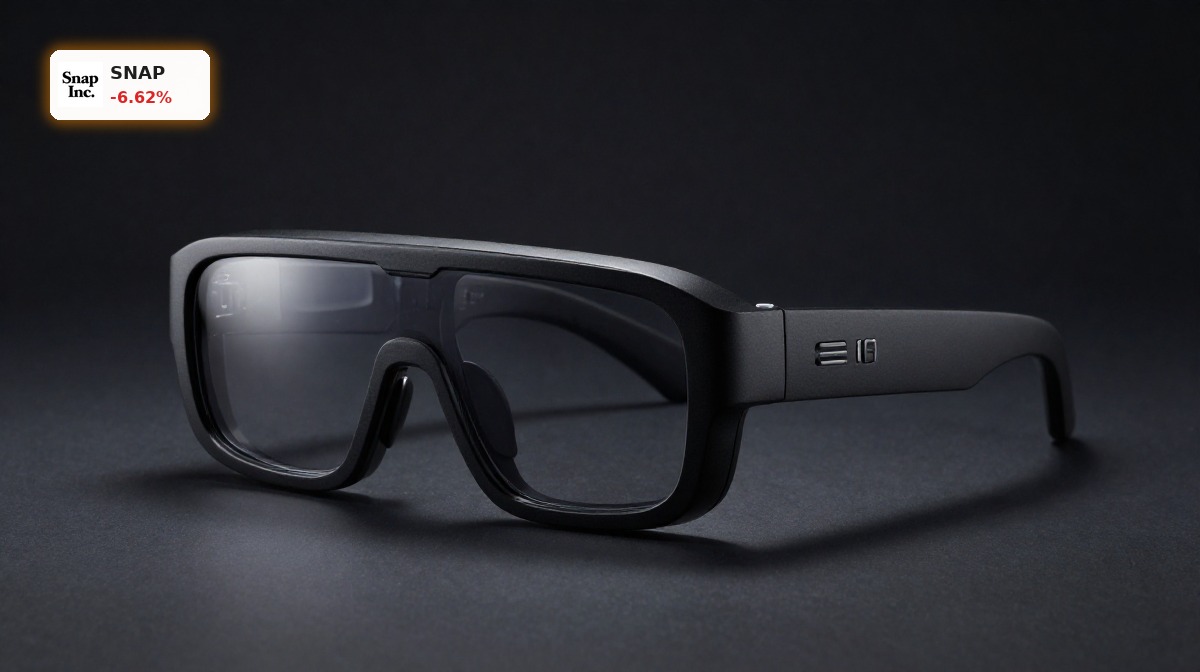
Can Snap AR Glasses ever become a real growth engine, or did this launch just confirm Wall Street’s worst fears?

Why Did Snap AR Glasses Disappoint?
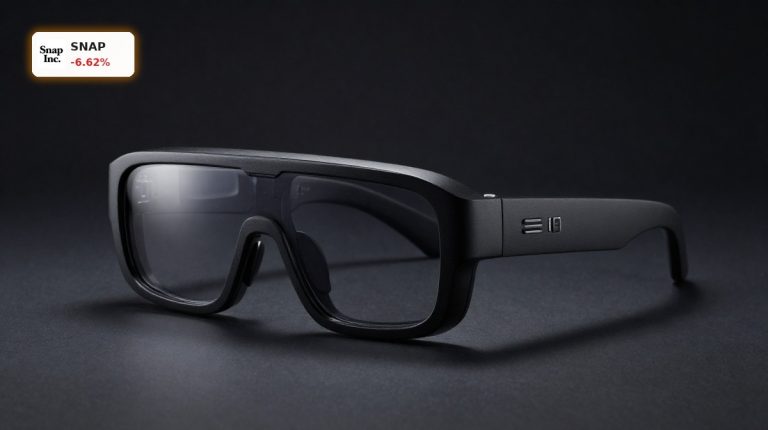
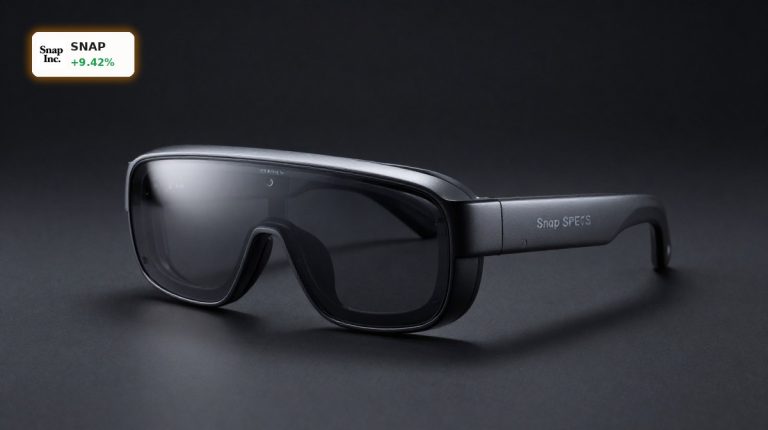
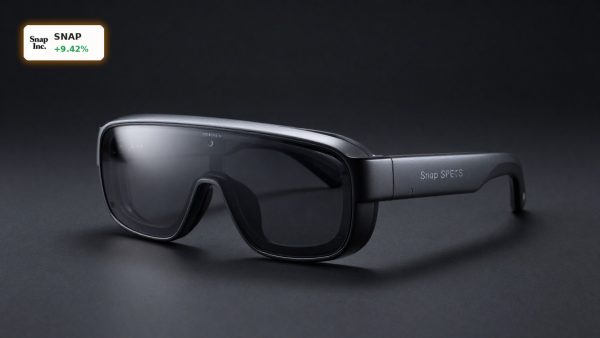
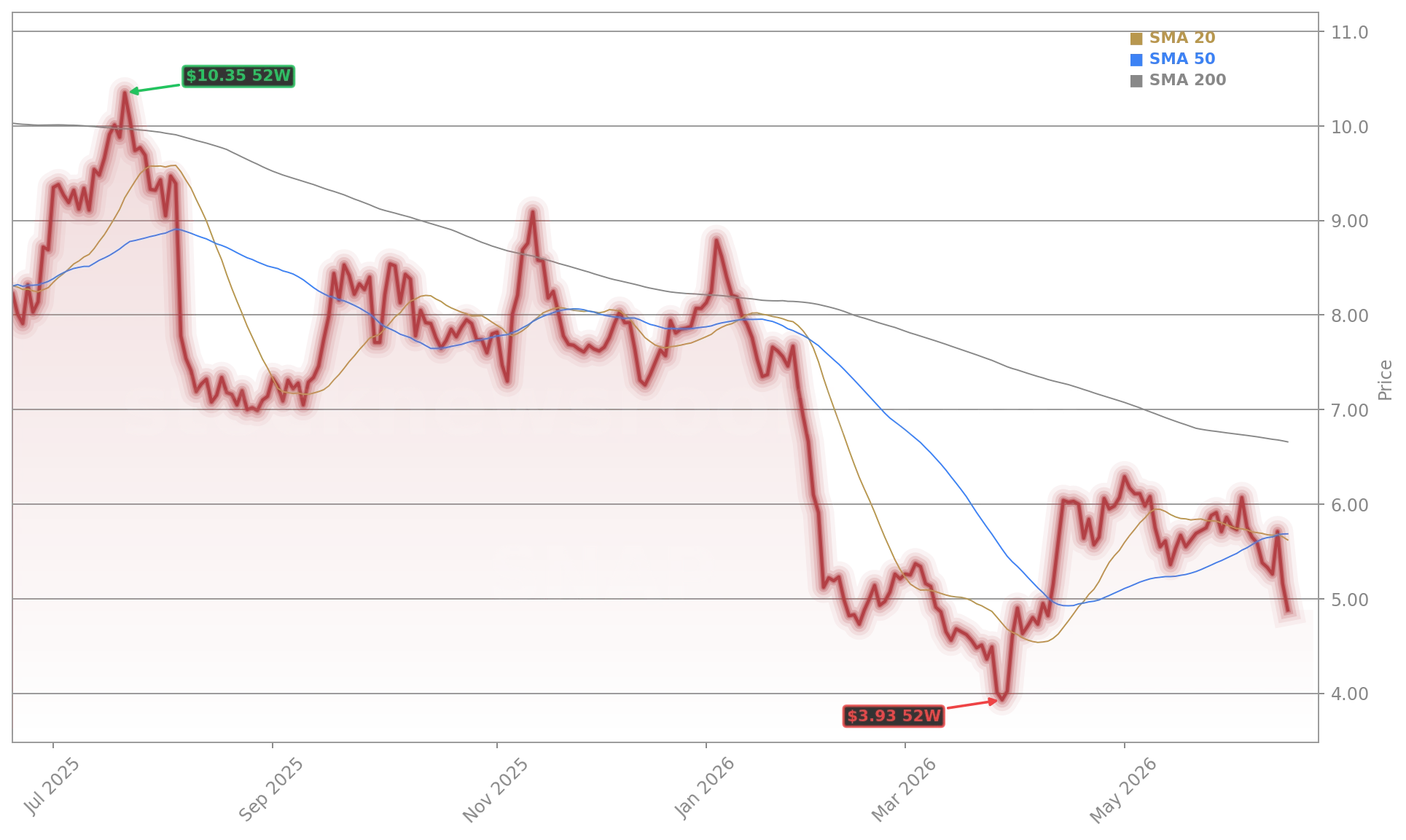
Wall Street’s reaction was swift and unambiguous: Snap Inc. shares plunged 6.62% to $4.87 on Wednesday — the steepest single-day drop since March — as analysts dismissed the $2,195 Specs as a developer kit, not a consumer product. Citigroup’s Andrew Boone noted the glasses ‘appear bulky and more akin to Apple’s Vision Pro than Meta’s Ray-Ban Display from a fashion perspective,’ reinforcing concerns about mass-market appeal. Benchmark analysts Mark Zgutowicz and Alex Lavigne emphasized that Specs are ‘twice as heavy, three times more expensive, and have shorter battery life’ than competing smart glasses — a triad of disadvantages that undermines Snap’s claim of ‘leapfrog advancement.’ With the stock already trading 26% below its 200-day moving average and within 27% of its 52-week low ($3.81), the launch failed to catalyze a technical or sentiment turnaround.
How Do Specs Compare to Meta and Apple?
Direct hardware comparisons cut deep. Meta’s Ray-Ban Display glasses — priced under $1,000 — have already shipped over 1.2 million units in 2026, according to Bloomberg Intelligence, and benefit from seamless integration with Meta’s Llama-based voice and image generation tools. In contrast, Snap’s Specs require third-party developers to build utility-focused experiences — cooking, auto repair, sports training — with no native large language model. Wells Fargo’s Alec Brondolo observed that while Specs avoid the ‘puck’ tether required by Microsoft’s HoloLens 2 and Apple’s Vision Pro, its 51-degree field of view trails Meta’s Orion prototype (70 degrees) and its four-hour battery life lags behind industry benchmarks. Crucially, Snap AR Glasses lack the fashion-forward design that helped Meta and Apple overcome early skepticism — a gap analysts say will constrain adoption beyond niche developers and AR enthusiasts.
What’s the Revenue Impact for Snap Inc.?
Financial realism dominated analyst commentary. Wells Fargo projected a ‘stretch goal’ of 100,000 units sold in the first year — implying roughly $220 million in revenue, or just 1% accretion to Snap’s 2026 consensus revenue. B. Riley Securities’ Naved Khan acknowledged the high price point will ‘limit demand’ and expects successive generations to become more affordable. Bloomberg Intelligence’s Mandeep Singh concluded Specs are ‘unlikely to match adoption of Meta’s Ray-Ban AR glasses’ due to weaker ecosystem leverage and limited monetization pathways. Notably, Snap AR Glasses are not expected to drive meaningful advertising or subscription revenue in the near term — a critical shortfall for a company whose Q2 2026 ad revenue growth remains flat year-over-year. With Snap trading at a forward P/E of just 12x and a PEG ratio of 0.17, valuation is historically cheap — but only if growth reemerges.
Can Snap AR Glasses Shift the Long-Term Narrative?
SPECS are the beginning of a new era in computing. The smartphone put our lives in our pockets. SPECS put computing into the world, where life actually happens.— Evan Spiegel, CEO of Snap Inc.
Investor patience is wearing thin. Snap Inc. has fallen from $18 in 2023 to under $5 today — a 73% decline — while the S&P 500 rose 32% over the same period. The company’s decade-long hardware push has delivered no material revenue stream, and Specs’ $2,195 price point confirms Wall Street’s long-held view: Snap remains a social platform with advertising exposure, not a diversified tech innovator. RBC Capital Markets maintains its ‘Underperform’ rating, citing ‘structural challenges in scaling hardware and monetizing spatial computing.’ Meanwhile, Morgan Stanley notes that ‘without a clear path to 500k+ units or $1B in annual hardware revenue by 2028, Specs won’t alter Snap’s risk profile.’ The launch may accelerate developer interest in Lens Studio’s new agentic coding tools — but for portfolios tracking the NASDAQ, Snap AR Glasses represent a tactical experiment, not a strategic inflection.