Can a one-day semiconductor rout turn the SOXL Plunge into a deeper warning for leveraged ETF investors?

What triggered the SOXL Plunge?
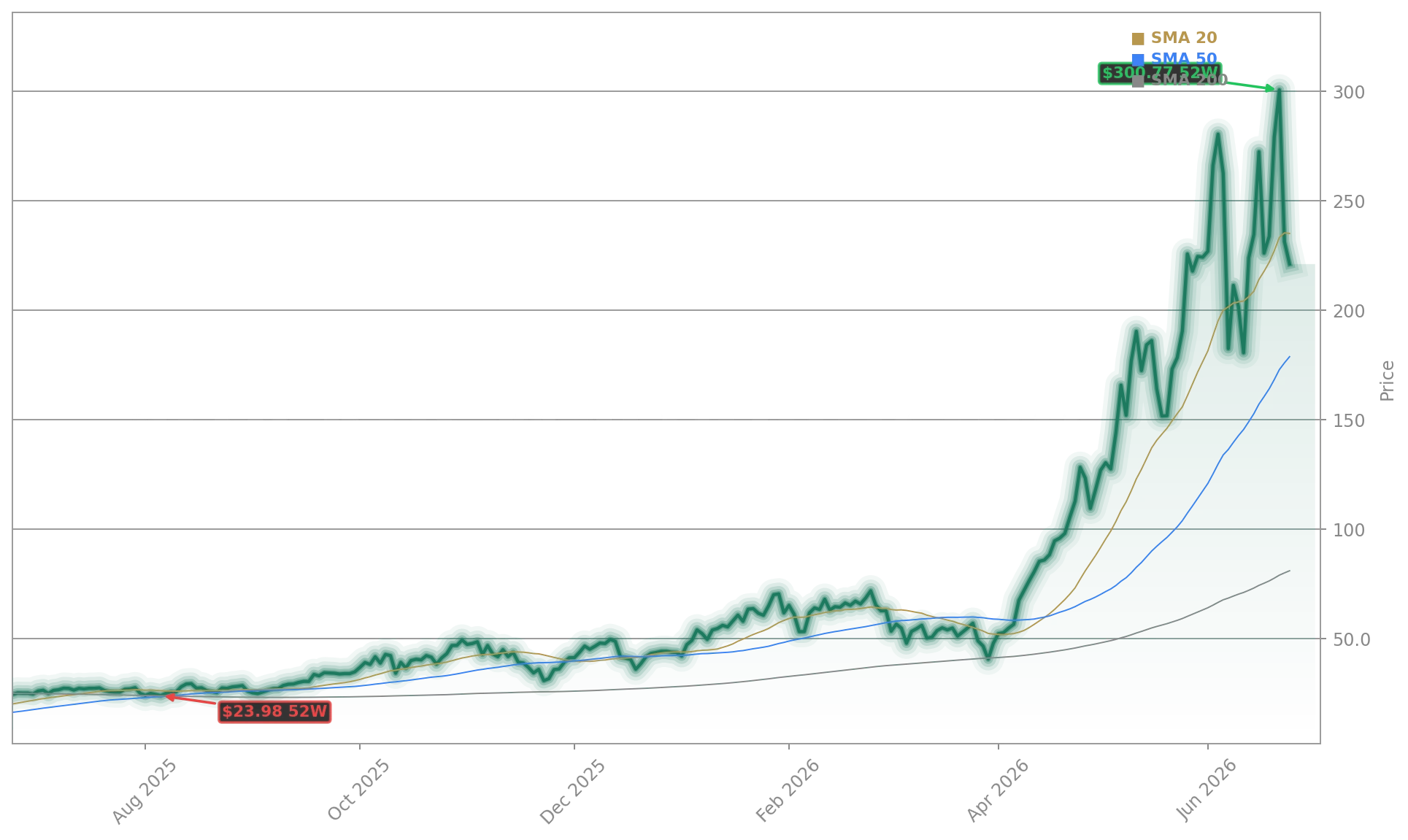
Yesterday’s sharp technology sell-off hit semiconductor stocks disproportionately hard. While the S&P 500 fell just 1.4% and the Nasdaq-100 declined only 2.2%, the PHLX Semiconductor Index cratered 7.9% — its worst single-day performance since March 2025. That collapse triggered an immediate 23.1% intraday drop in the Direxion Daily Semiconductor Bull 3X ETF, sending shares to $228.30 — down from $231.42 at the prior close. Unlike broad-market ETFs, SOXL resets daily exposure using swaps and futures, amplifying moves in real time. A 7.9% index decline translates to ~23.7% loss before fees — precisely what investors witnessed. Notably, the Dow Jones Industrial Average remained flat, highlighting the sector-specific nature of the rout — and the outsized risk embedded in SOXL.
Why is SOXL so vulnerable to volatility?
Leveraged ETFs like SOXL are engineered for traders, not long-term holders. They rebalance daily to maintain 3x exposure — a process that compounds losses during volatile swings. In sideways or choppy markets, even modest index fluctuations erode value faster than intuition suggests. According to Morgan Stanley’s latest ETF strategy report, SOXL’s volatility drag has averaged 1.8% per month over the past six months — a figure that surged to 4.3% during last week’s tech correction. That drag means SOXL has underperformed triple the PHLX index return by over 12% year-to-date despite the underlying sector rising 21%. For investors holding SOXL as a proxy for NVIDIA or Apple exposure, the mismatch is now glaring — and costly.
How does SOXL compare to other leveraged tech ETFs?
SOXL is not alone — but its sector concentration makes it uniquely volatile. While ProShares UltraPro QQQ 3x Shares (TQQQ) lost 6.7% during the same session and ProShares Ultra QQQ 2x Shares (QLD) dipped 4.4%, SOXL’s 23% collapse was more than triple TQQQ’s decline. That divergence reflects the semiconductor index’s outsized sensitivity to AI capex revisions and geopolitical supply-chain tensions. RBC Capital Markets recently downgraded the semiconductor sector to ‘Underperform’, citing ‘unrealistic near-term earnings expectations’ and ‘inventory normalization pressures’ — a warning that directly impacts SOXL’s underlying basket. Meanwhile, Citigroup maintained its ‘Neutral’ rating on SOXL but slashed its 12-month price target from $295 to $240, citing ‘elevated beta risk in a tightening macro environment’.
What does the SOXL Plunge mean for U.S. portfolios?
SOXL’s $34 billion in assets now represent the second-largest leveraged ETF behind TQQQ — and its rapid growth has drawn increasing attention from regulators and risk officers. According to a Bloomberg analysis released Tuesday, nearly 18% of U.S. leveraged ETF inflows in Q2 2026 flowed into SOXL, making it the fastest-growing leveraged product this quarter. That surge coincides with record margin debt and elevated S&P 500 valuation multiples — a combination that heightens systemic vulnerability. For retail investors holding SOXL in 401(k)-adjacent accounts or IRAs, the SOXL Plunge serves as a stark reminder: leveraged products are incompatible with long-term wealth building. Goldman Sachs’ latest asset allocation note explicitly advises clients to cap leveraged ETF exposure at 2% of total equity allocations — a threshold many portfolios have now breached.
Is the SOXL Plunge a buying opportunity — or a warning sign?
SOXL’s structure makes it a volatility amplifier, not a semiconductor proxy.— BlackRock iShares ETF portfolio manager
Not all analysts see the SOXL Plunge as a signal to buy. While some short-term traders are reloading positions ahead of the upcoming Tesla AI Day and NVIDIA’s Q2 earnings preview, institutional strategists are urging caution. ‘This isn’t a valuation reset — it’s a leverage reset,’ said one portfolio manager at BlackRock’s iShares ETF team in a private briefing. ‘SOXL’s structure makes it a volatility amplifier, not a semiconductor proxy.’ With the PHLX Index trading near its 52-week high but SOXL down 11% from its April peak, the disconnect is widening. Investors betting on semiconductor resilience must now weigh whether SOXL’s structural decay outweighs its upside potential — especially as the Federal Reserve signals potential rate hikes this summer.