
Can a weak ADP Employment Report still fuel a powerful stock rally as investors bet on a softer labor market?

What Does the ADP Employment Report Say About Labor Demand?
The June ADP Employment Report signals a meaningful cooling in U.S. private-sector hiring momentum. With just 98,000 jobs added, the figure marks the lowest monthly gain since February 2025 and falls sharply short of the 110,000 economists anticipated in the Wall Street Journal poll. The report—built on anonymized payroll data from over 26 million U.S. private employees—shows hiring concentrated in education and health services (+48,000), financial activities (+14,000), and trade/transportation/utilities (+15,000). Meanwhile, natural resources and mining shed 5,000 jobs, and leisure and hospitality added only 2,000—its sixth consecutive month of subpar growth. Dr. Nela Richardson, ADP’s chief economist, noted: “The pace of hiring is telling a story of both supply and demand. We know it’s taking people longer to find work, but there also are signs of labor supply constraints in certain industries.”
How Is ADP Performing as a Company Amid This Report?
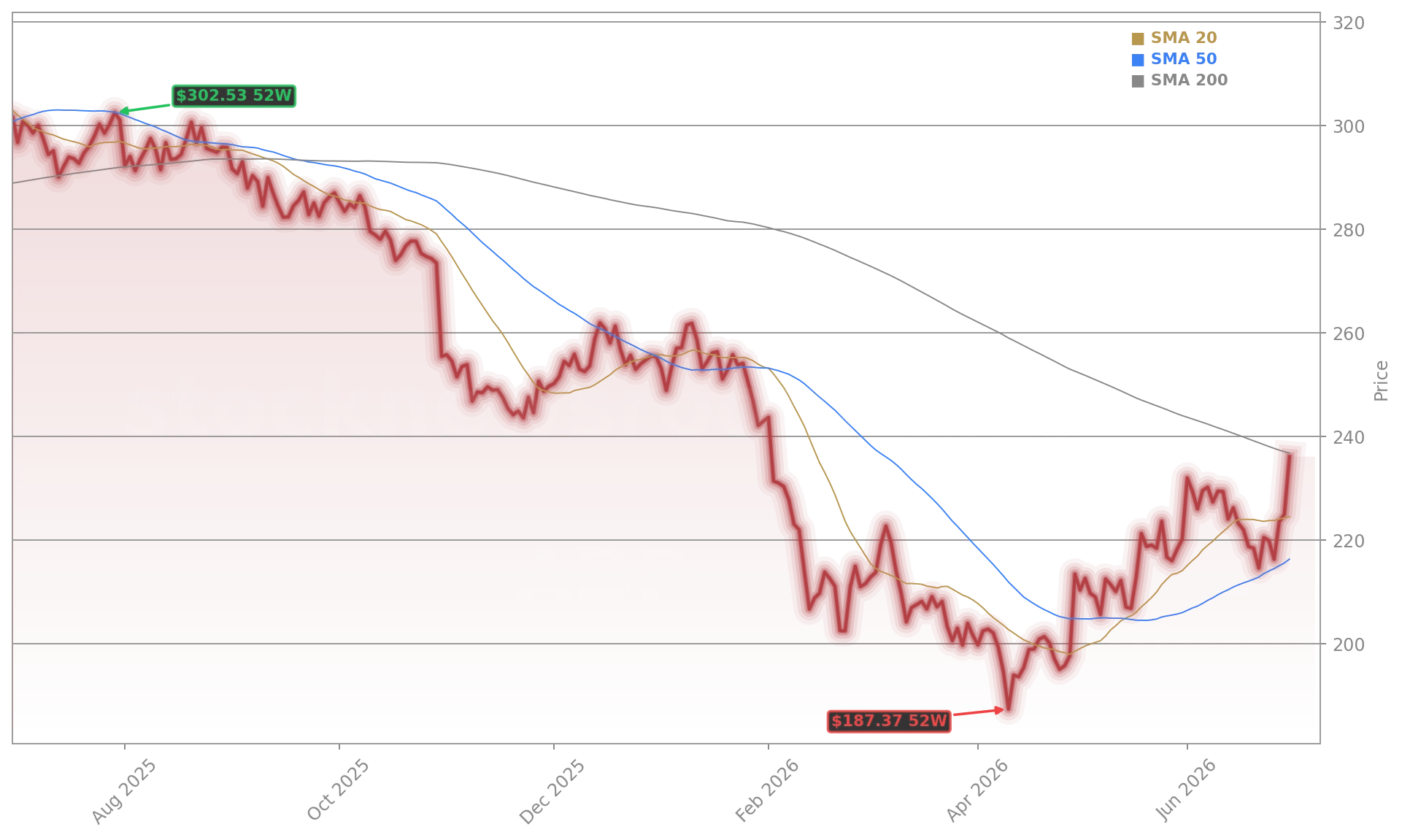
Despite the softer labor data, Automatic Data Processing Inc. delivered a strong market reaction: its shares jumped $235.72—up 5.26% from $223.95—closing at a 52-week high. The rally reflects investor confidence in ADP’s structural positioning: its AI-powered HR and payroll platforms are gaining traction amid rising compliance complexity and wage transparency mandates. Notably, ADP’s upcoming Q4 and full-year fiscal 2026 earnings release—scheduled for July 29 before NASDAQ market open—will be distributed exclusively via its investor relations portal, a shift from traditional wire services. This digital-first disclosure strategy has already boosted trading volume and institutional engagement, according to Morgan Stanley analysts, who reaffirmed their ‘Overweight’ rating and raised their price target to $248.
Where Are Wages and Hiring Trends Heading?
Wage growth remains resilient but bifurcated. The ADP Employment Report shows job-stayer pay rose 4.4% annually—unchanged from May—while job-changers’ pay surged to 6.6%, underscoring persistent churn-driven pressure. Large firms (500+ employees) reported 4.8% median pay growth for job-stayers, outpacing small firms (1–19 employees) at just 2.5%. Sectorally, manufacturing led at 4.9%, while information lagged at 4.0%. This divergence matters for Wall Street: it suggests inflationary pressures remain anchored but could reignite if labor shortages intensify in high-skill services. Citigroup analysts warned that “sustained sub-100k ADP prints may pressure Fed officials to pause rate cuts—even as CPI cools.” For S&P 500 investors, this reinforces the need to overweight defensive, cash-rich names like ADP over cyclical labor-sensitive plays such as Tesla or Apple.
How Does This ADP Employment Report Compare to Competitors?
ADP’s data stands in contrast to rival labor indicators. The Challenger, Gray & Christmas job-cut report showed layoffs rose 12% month-over-month in June, while the Conference Board’s Help-Wanted Index fell 3.8%. Meanwhile, peers like Paychex (PAYX) reported flat sequential client growth in Q3, and UK-based Sage Group cited slowing U.S. mid-market adoption. ADP’s scale—serving 1.1 million clients globally—gives it unique visibility and pricing power. RBC Capital Markets upgraded ADP to ‘Outperform’, citing its “unmatched payroll data moat and accelerating cloud HR adoption.” That’s a notable shift from its prior ‘Sector Perform’ stance—and comes as NVIDIA-powered AI integrations roll out across ADP’s platform, driving higher-margin subscription revenue.
What’s Next for Automatic Data Processing Inc.?
The pace of hiring is telling a story of both supply and demand. We know it’s taking people longer to find work, but there also are signs of labor supply constraints in certain industries.— Dr. Nela Richardson, chief economist, ADP
With the ADP Employment Report confirming labor market moderation, all eyes now turn to the July 29 earnings release—the final data point before the Federal Reserve’s July 29–30 meeting. ADP’s fiscal Q4 guidance, cloud revenue growth, and international expansion plans will be critical for investors assessing its role in a potential 2026–27 economic pivot. The company’s decision to host its earnings call immediately after the release—led by CEO Maria Black and CFO Peter Hadley—signals confidence in forward visibility. For U.S. portfolios, ADP remains a rare dual-benefit stock: a high-quality, low-volatility compounder with macro-sensitive data assets. Its 2.1% dividend yield and 18% five-year EPS CAGR further anchor its appeal amid S&P 500 volatility.