Can AMC Box Office momentum finally outweigh dilution, debt, and another round of meme-stock skepticism?

What drove AMC’s record weekend?
AMC Entertainment Holdings, Inc. reported its strongest U.S. weekend of 2026 from Thursday to Sunday — driven overwhelmingly by Disney and Pixar’s Toy Story 5, which delivered a media-reported $160 million domestic opening, the year’s biggest box office launch. That single title accounted for nearly 40% of AMC’s weekend admissions revenue, but critically, holdovers like OBSESSION, DISCLOSURE DAY, and STAR WARS: THE MANDALORIAN AND GROGU contributed meaningfully to a broad-based surge. AMC’s U.S. food & beverage revenue hit its highest weekend level in over a year — a key profitability lever given its 85% gross margin on concessions. The company welcomed more than 4.8 million guests globally, with U.S. attendance alone up 32% year-over-year — the strongest May since 2019, per internal data.
How does AMC Box Office compare to peers?
While AMC led the U.S. theatrical recovery, its performance stands in contrast to streaming-first players like Netflix, whose recent $22 billion merger speculation has yet to translate into box office traction. Competing exhibitors — including Cinemark and Regal — reported solid but unspectacular June weekends, with no rival matching AMC’s $160 million Toy Story 5 lift. Notably, AMC’s 7th $75M+ opening weekend in three months — including PROJECT HAIL MARY and THE SUPER MARIO GALAXY MOVIE — outpaces the industry average. That breadth matters: unlike 2023–2025, when one film often carried the quarter, 2026’s AMC Box Office strength is diversified across genres and studios — a positive signal for Wall Street’s valuation of theatrical resilience.
What’s the financial reality behind the box office surge?
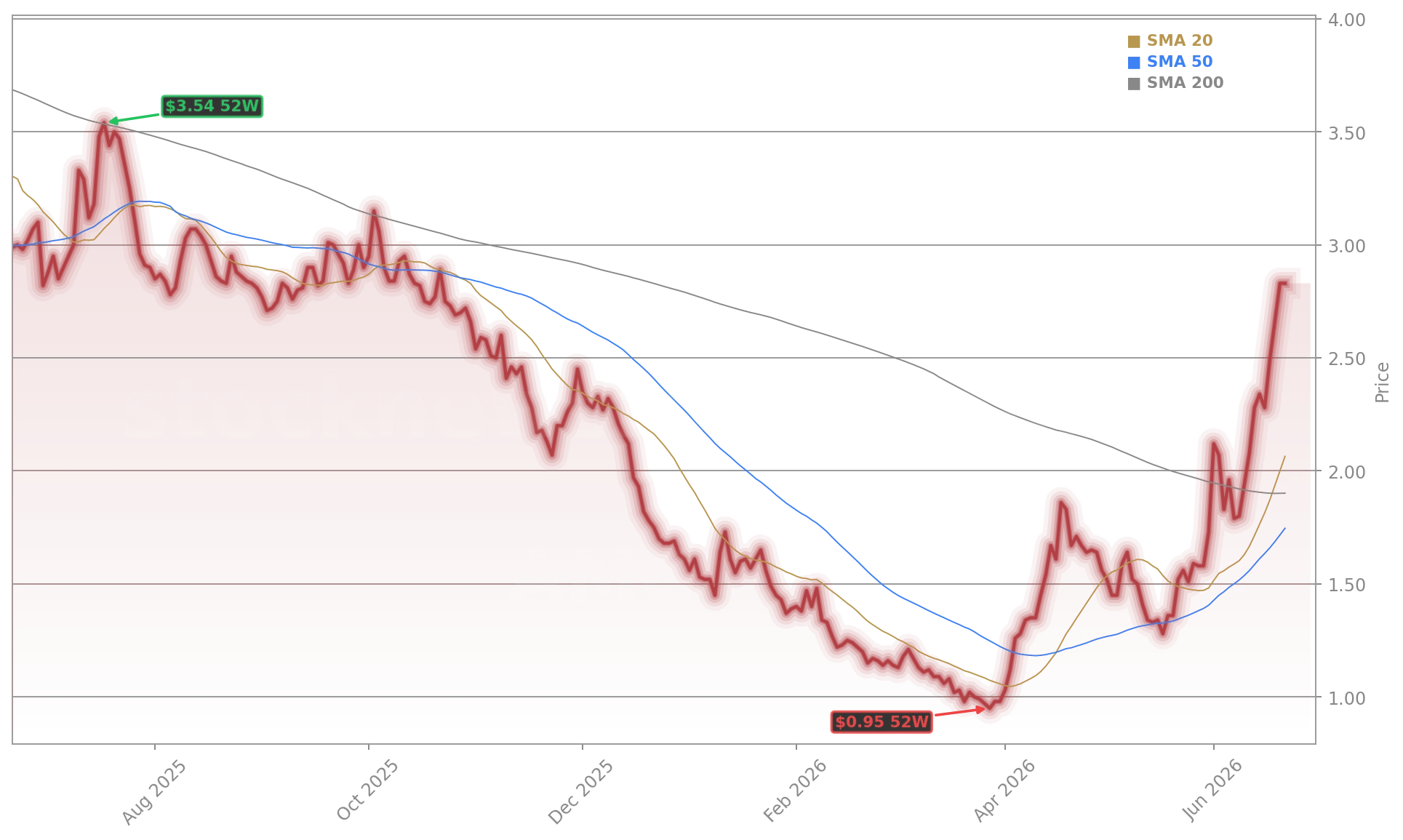
Despite the momentum, AMC Entertainment Holdings, Inc. remains unprofitable: Q1 2026 revenue rose to $1.04 billion (+21% YoY), yet net loss widened to $117 million. The company completed a $150 million at-the-market equity offering — issuing 105.3 million new shares at $1.03–$1.50 each — diluting existing holders by ~12%. That capital is earmarked to reduce leverage on its $4 billion long-term debt, but B. Riley recently raised its price target to $2.25 while maintaining a “Neutral” rating, citing persistent negative free cash flow. Roth Capital also holds a “Neutral” stance, warning that premium format rollouts — though promising — won’t offset structural cost pressures until late 2026. Meanwhile, CEO Adam Aron’s recent 250,000-share purchase at $1.38 signals management confidence — though the stock remains 42% below its 52-week high of $4.88.
Is AMC’s rally sustainable — or just another meme-driven blip?
We congratulate our friends at Disney and Pixar… on delivering a theatrical event that clearly connected with audiences and helped drive AMC’s busiest weekend in the United States so far this year.— Adam Aron, Chairman and CEO of AMC Entertainment
AMC stock rose 25% in one week, closing Friday at $2.54 — now trading above its 50-day and 100-day moving averages. But technical caution flags are flashing: the Relative Strength Index (RSI) hit 79.7, well into overbought territory. That volatility echoes past retail-driven surges, yet this rally is uniquely backed by hard data — 25.5 million May attendees, record F&B revenue, and 11 weeks of consecutive $75M+ openings. For S&P 500 and NASDAQ investors, AMC’s recovery is a microcosm of the broader entertainment rebound — one that benefits not just AMC, but also hardware suppliers like NVIDIA (via AI-enhanced cinema tech) and content partners like Apple (via theatrical-window licensing deals). Still, without a path to positive operating cash flow, the rally remains fragile.