Can AMC’s latest equity raise buy enough time to fix its balance sheet, or is dilution becoming the bigger story?

Why did AMC Entertainment need $200 million now?
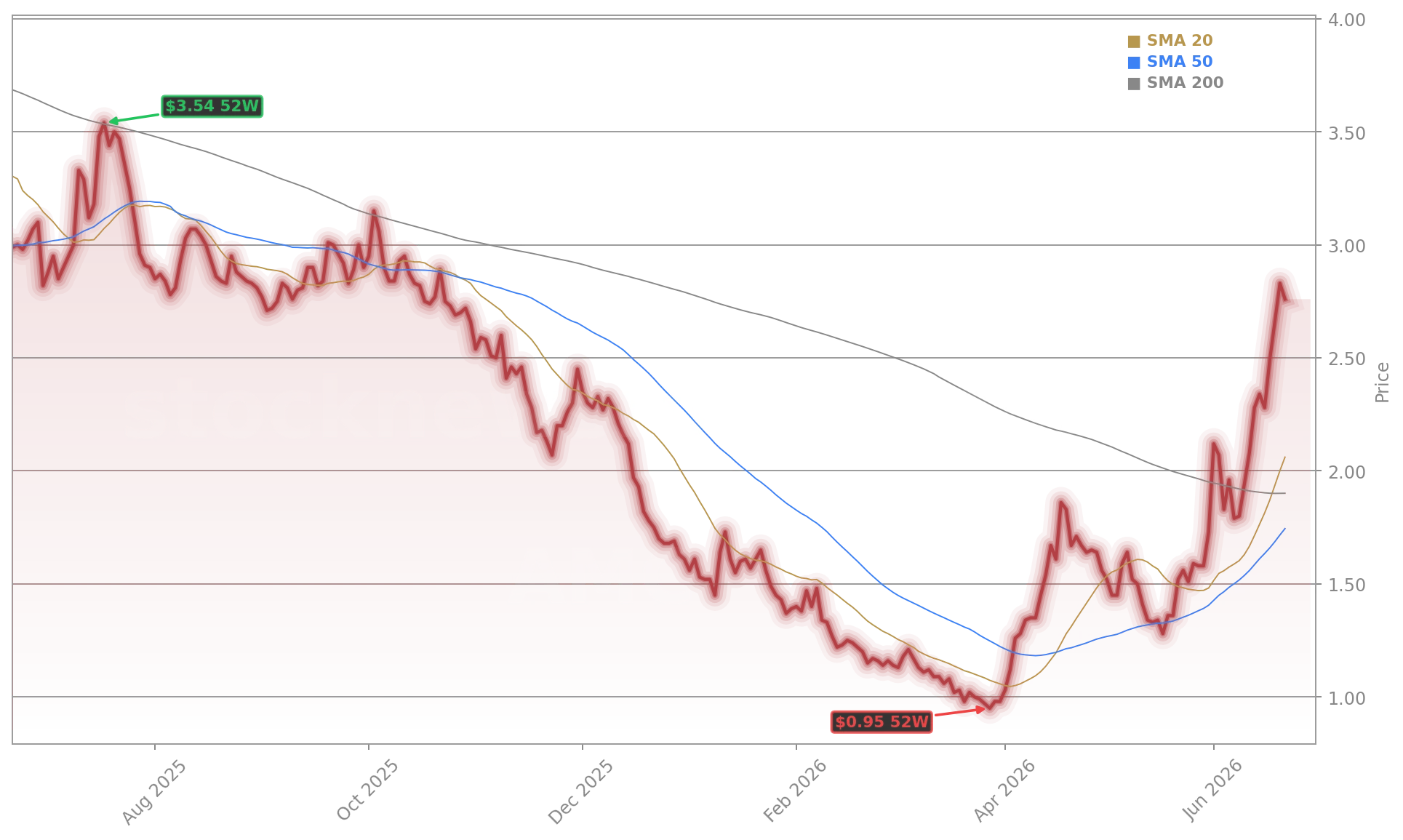
AMC Entertainment Holdings, Inc. announced the pricing of a $200 million AMC Stock Offering on June 23, 2026, selling 95.25 million shares at $2.10 per share to institutional investors. Net proceeds are expected to total approximately $189 million after fees, with $125.5 million earmarked to fully redeem its 6.125% Senior Subordinated Notes due 2027. The balance will fund general corporate purposes, including strengthening cash reserves and upgrading premium large-format screens. This follows a prior $150 million at-the-market offering in early June — signaling persistent pressure to reduce leverage amid a $4 billion long-term debt burden. The offering closes June 24, subject to customary conditions, and triggers a 45-day lock-up on future equity issuance.
How does the AMC Stock Offering impact shareholders?
The offering dilutes existing equity by roughly 13% — a trade-off investors accepted in Q2 2026 as AMC’s liquidity position remained fragile despite strong operating momentum. While the May 2026 global attendance of 25.5 million marked the highest for that month since 2019, AMC reported a $117 million net loss for Q1 2026 on $1.04 billion in revenue. Analysts remain divided: Roth Capital maintains a ‘Neutral’ rating citing negative free cash flow, while B. Riley recently raised its price target to $2.25. The $2.10 offering price sits just below Monday’s $2.26 premarket close — triggering an 18% intraday decline and highlighting market skepticism around timing and valuation discipline.
Is AMC’s box office rebound sustainable?
Yes — and it’s accelerating. AMC delivered its busiest U.S. weekend of 2026 with over 4.8 million attendees across its U.S. and ODEON locations from Thursday to Sunday, propelled by TOY STORY 5’s $160 million domestic opening — the year’s largest. That film is the seventh title in three months to open above $75 million, joining PROJECT HAIL MARY, THE SUPER MARIO GALAXY MOVIE, and STAR WARS: THE MANDALORIAN AND GROGU. Food & beverage revenue hit its highest weekend level in over a year, underscoring pricing power and consumer willingness to spend beyond tickets. With SUPERGIRL, MINIONS & MONSTERS, and SPIDER-MAN: BRAND NEW DAY arriving through July, AMC’s Q2 2026 admissions and revenue metrics are on pace to outperform Q1 — though profitability remains elusive amid high fixed costs.
What do Wall Street and the S&P 500 context tell us?
We congratulate our friends at Disney and Pixar, as well as the TOY STORY 5 filmmakers, on delivering a theatrical event that clearly connected with audiences and helped drive AMC’s busiest weekend in the United States so far this year.— Adam Aron, Chairman and CEO of AMC Entertainment
AMC’s volatility stands in stark contrast to broader market stability: the S&P 500 rose 1.2% in June, while the NASDAQ gained 2.4% amid strength in NVIDIA, Apple, and Tesla. Entertainment stocks remain underweight in most institutional portfolios, with AMC trading at just 0.3x trailing sales versus the S&P 500’s 2.7x median. The company’s debt-to-equity ratio remains elevated at 4.1x, far above peers like Cinemark (CNK) at 1.8x. Yet its retail-driven trading volume — up 40% month-over-month — suggests continued speculative interest. As Roth Capital Partners served as placement agent for this AMC Stock Offering, the firm’s dual role as underwriter and analyst underscores the complex incentives shaping AMC’s capital structure decisions.