Can the Bank of Japan Rate Hike finally steady the yen, or is Japan only getting started with tighter policy?

Why Did the Bank of Japan Rate Hike Happen Now?
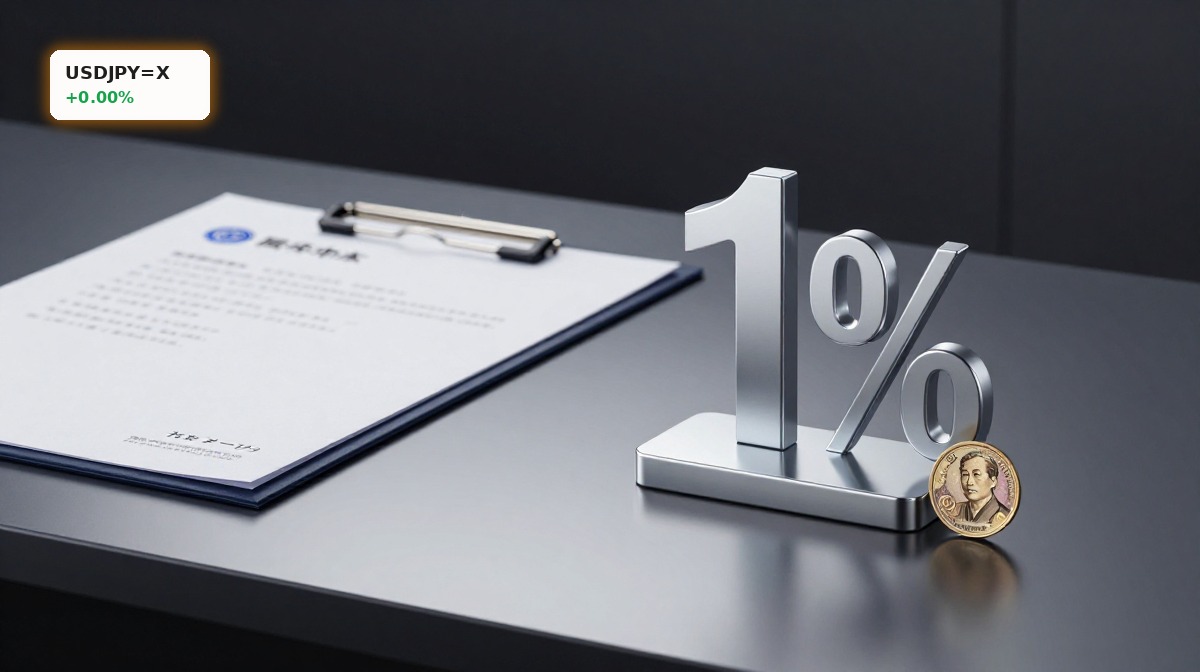
The Bank of Japan Rate Hike reflects mounting pressure from three converging forces: surging energy costs linked to the Iran conflict, accelerating pass-through of oil prices into domestic goods (evidenced by May’s 6.3% year-on-year wholesale inflation — the highest in three years), and sustained yen weakness hovering at USD/JPY 160.32. Though headline and core inflation stood at 1.4% in April — below the 2% target — the BOJ emphasized that underlying inflation is running at 2.2–2.8%, supported by strong corporate profits and wage growth. With the yen near its 52-week low and Japan’s nominal GDP up 23% since 2021, the BOJ judged the timing for a decisive Bank of Japan Rate Hike unavoidable. The decision was taken in the absence of Governor Kazuo Ueda, who remains hospitalized; Deputy Governor Shinichi Uchida led the vote and will deliver the pivotal post-decision press conference at 14:30 Singapore time.
What Does This Mean for Rates, Bonds, and Equities?
The Bank of Japan Rate Hike is paired with a dovish twist on quantitative policy: the BOJ will pause its bond taper and fix monthly Japanese Government Bond (JGB) purchases at around 2 trillion yen starting April 2027. This move aims to cap long-term yields and ease financial conditions — a counterbalance to tighter short-term policy. As a result, 10-year JGB yields rose only 6–7 basis points post-decision, while the Nikkei 225 surged to 70,000 — an all-time intraday high — reflecting investor relief that the BOJ is tightening without triggering bond market stress. Equity strength extended to global tech leaders: NVIDIA, Tesla, and Apple all benefited from the BOJ’s calibrated approach, as global liquidity concerns eased. Bitcoin rose from $65,600 to $66,000 — a rare positive reaction to a BOJ rate hike — underscoring markets’ focus on the bond purchase pause over the headline Bank of Japan Rate Hike.
How Are Analysts and Central Bankers Reacting?
Dr. Sayuri Shirai, former BOJ board member, stressed the necessity of a hawkish signal: ‘BOJ needs to say they are quite determined to cope with expected inflation and yen’s depreciation, suggesting a future interest rate hike.’ Jesper Koll of Monex Group likened yen intervention without monetary tightening to ‘tapping the brake while keeping your right foot firmly on the accelerator.’ Citigroup analysts note the 7–1 vote — with board member Toichiro Asada dissenting — signals growing internal hawkish consensus, while RBC Capital Markets highlights that the BOJ’s explicit reference to ‘significantly low’ real interest rates reaffirms its commitment to further Bank of Japan Rate Hike steps. HSBC’s Frederic Neumann pointed to Governor Ueda’s June 3 speech — where he warned a ‘behind-the-curve’ response could force larger hikes later — as key groundwork for today’s move. Commerzbank’s Volkmar Baur observed the Bank of Japan Rate Hike was fully priced in, with market-implied odds of another hike by year-end holding steady at 85%.
What’s Next on the Calendar?
Deputy Governor Uchida’s press conference at 14:30 Singapore time (08:30 CET) is the immediate focal point — markets will parse tone, forward guidance, and any shift in language around JGB purchases or inflation forecasts. The next BOJ policy meeting is scheduled for July 29–30, 2026. Meanwhile, investors are watching U.S. Federal Reserve signals — particularly after the U.S.-Iran peace deal — for implications on global oil prices and inflation trajectories. The BOJ has explicitly flagged the Middle East situation and AI-driven global demand as key variables in its next rate decisions. Japan’s June core CPI print (due July 25) and the July 15 labor market report will also feed directly into BOJ deliberations. With the Bank of Japan Rate Hike now locked in, the narrative shifts from ‘if’ to ‘how many more’ — and whether the yen can stabilize above 158 without further intervention.
Bank of Japan Rate Hike: What’s the Bottom Line?
BOJ needs to send a hawkish signal today. Otherwise, there’s accumulating yen short selling.— Dr. Sayuri Shirai
The Bank of Japan Rate Hike is not an endpoint but a pivot — confirming Japan’s structural exit from decades of ultra-loose policy. It strengthens the yen’s medium-term outlook, supports equity valuations in Japan and globally, and adds ballast to global fixed-income markets. For retail investors, this Bank of Japan Rate Hike reinforces the opportunity in Japanese equities — particularly exporters benefiting from a stable yen and domestic consumption plays — while signaling caution in yen-funded carry trades. With the BOJ now aligned with the ECB and moving toward policy parity with the Fed, the Bank of Japan Rate Hike marks Japan’s full re-entry into the global monetary mainstream — and a meaningful tailwind for diversified portfolios.