Can a single Pentagon-scale win finally convince Wall Street that Dell is more than a legacy PC maker?

What does the Dell Government Contract mean for Wall Street?
The $1.44 billion Dell Government Contract isn’t just another IT procurement — it’s a structural endorsement of Dell’s hybrid-cloud, zero-trust, and AI-ready infrastructure stack across the Department of Defense. Unlike commodity hardware deals, this agreement integrates Microsoft’s Copilot+ AI suite, Azure Arc management, and Dell’s APEX private cloud solutions across 500,000+ Air Force endpoints. That positions Dell Technologies Inc. as a mission-critical enabler alongside NVIDIA’s AI accelerators and Apple’s secure endpoint ecosystem — two names increasingly referenced in Pentagon cloud procurement briefings. For S&P 500 investors, this contract reinforces Dell’s shift from legacy PC supplier to sovereign AI infrastructure partner — a narrative that’s already lifted its valuation multiple from 12x to 18x forward EPS since Q4 2025.
How does this Dell Government Contract compare to peers?
In federal IT spending, Dell Technologies Inc. now holds a distinct advantage over traditional rivals like Hewlett Packard Enterprise (HPE) and IBM — both of which reported flat federal revenue growth in Q1 2026. Meanwhile, Dell’s federal segment grew 22% year-over-year, per its latest earnings supplement. Crucially, this Dell Government Contract includes embedded AI orchestration capabilities that align with the Air Force’s ‘Autonomous Edge’ initiative — a direct competitive moat against pure-play cloud vendors. Tesla’s DoD-linked AI compute contracts remain classified, but Dell’s transparency on scope and integration sets a new benchmark for enterprise-AI government partnerships. Analysts at Morgan Stanley note Dell’s federal win rate has climbed to 68% in AI-infrastructure RFPs — outpacing Cisco (52%) and Palo Alto (47%) in recent defense evaluations.
Why are insiders selling while the stock soars?
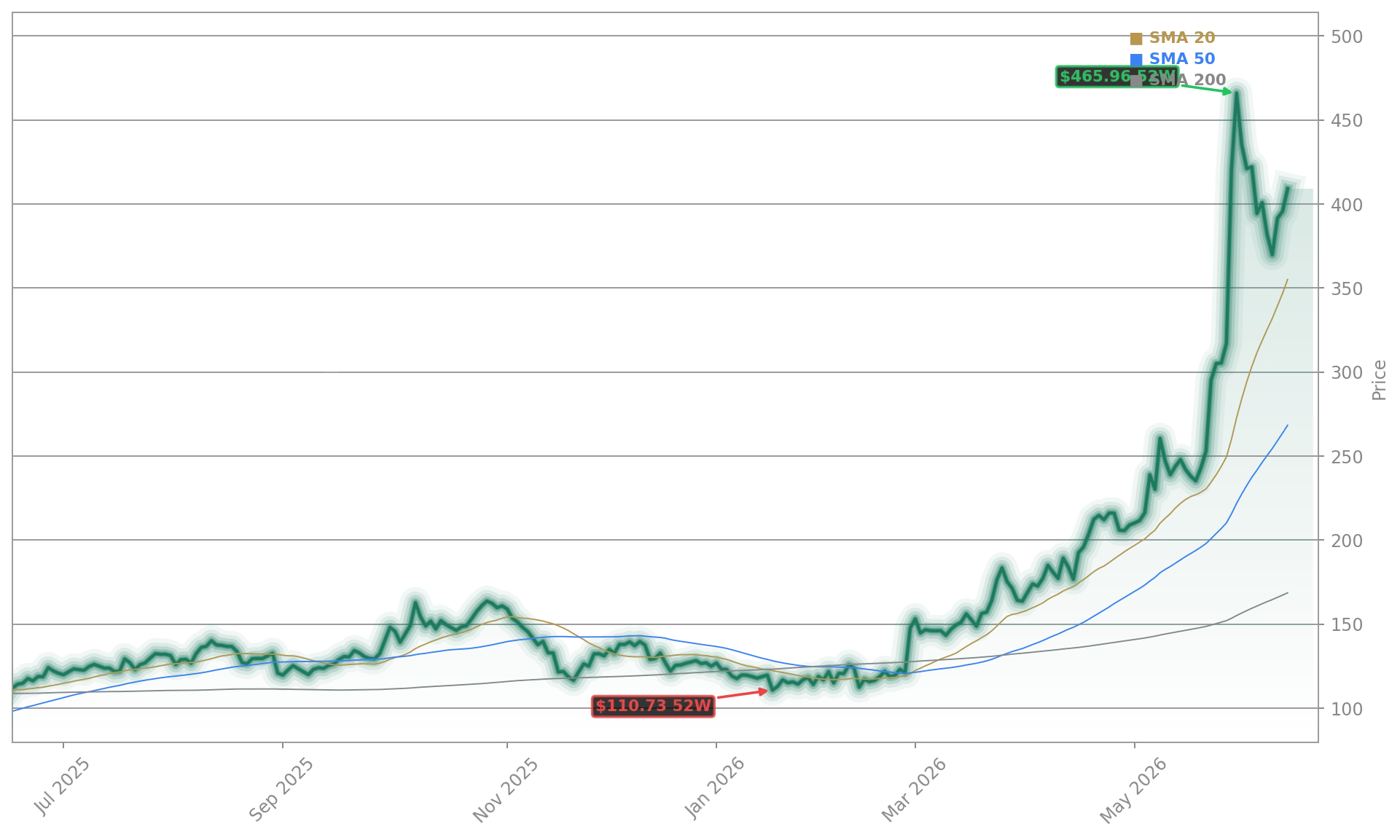
Over 1.2 million shares were sold by Silver Lake-affiliated entities between June 1–11, 2026 — including $23.7 million in Class C shares sold by Silver Lake Partners IV LP on June 11 alone. Yet these transactions reflect structural repositioning, not loss of confidence: nearly all sales coincided with conversions of Class B shares into Class C, preserving long-term economic exposure. Morningstar upgraded Dell Technologies Inc. to a 4-star rating on June 15, citing its ‘undervalued AI infrastructure exposure’ — a view echoed by Citigroup, which raised its price target to $435 citing federal contract momentum and margin expansion in APEX-as-a-Service. The insider activity is best read as tax-efficient portfolio optimization — not a signal of deteriorating fundamentals.
Is the Dell Government Contract a catalyst for NASDAQ tech?
This isn’t just about hardware — it’s about sovereign AI infrastructure. Dell is now the Air Force’s trusted platform for scaling AI from the data center to the tactical edge.— Michael Dell, Chairman and CEO, Dell Technologies Inc.
Absolutely. With the NASDAQ up 14% year-to-date and AI infrastructure stocks leading gains, Dell Technologies Inc. serves as a diversified, cash-flow-positive proxy for the AI buildout — unlike pure-play chipmakers or loss-making AI startups. Its 38% gross margin in enterprise solutions — higher than IBM’s 31% and HPE’s 34% — gives it pricing power in federal contracts. The Dell Government Contract also unlocks cross-selling into the broader $82 billion DoD cloud budget, where Dell’s partnership with Microsoft and NVIDIA on sovereign AI clusters is already under active evaluation. For portfolio managers rebalancing away from mega-cap concentration, Dell offers a rare blend of AI exposure, federal visibility, and 2.1% dividend yield — making it a core NASDAQ hedge against volatility.