Can two German court wins turn the Infineon Patent Dispute into a bigger advantage in the global GaN chip race?

What Does This Mean for Infineon’s IP Moat?
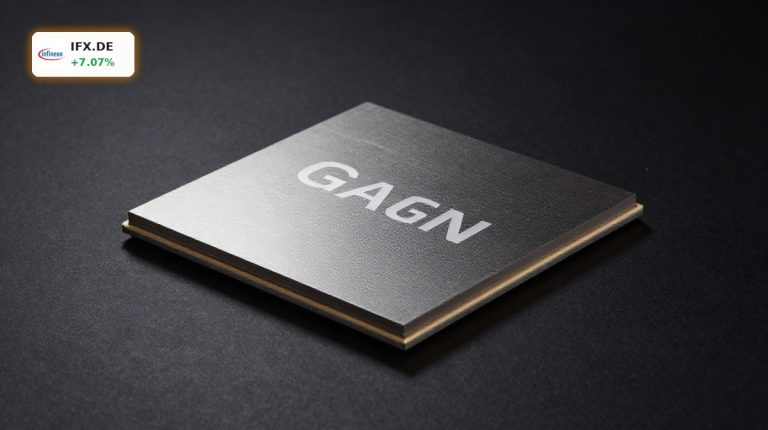
Infineon Technologies AG secured two binding judgments from the Landgericht München I — one concerning a core Gallium Nitride (GaN) patent and another covering a utility model — both aimed at halting Innoscience’s unauthorized use of Infineon’s proprietary GaN technology in Germany. The court ordered Innoscience to cease manufacturing, selling, and marketing infringing products within German jurisdiction and mandated payment of undisclosed damages. This outcome strengthens Infineon’s already formidable GaN patent portfolio, which spans approximately 450 patent families — the broadest in the industry. For U.S. investors, the ruling validates Infineon’s role as a critical enabler of energy-efficient infrastructure powering data centers, electric vehicles, and renewable energy systems — sectors where NVIDIA, Tesla, and Apple are major end customers.
How Does the Infineon Patent Dispute Fit Into Global Chip Geopolitics?
The Munich decisions aren’t isolated: they follow a May 7, 2026, ruling by the U.S. International Trade Commission’s Full Commission, which found Innoscience in violation of an Infineon GaN patent and issued a limited exclusion order. That ITC action — coupled with today’s German rulings — confirms a consistent transatlantic judicial alignment on Infineon’s IP claims. Meanwhile, Innoscience’s recent claim of victory at China’s Supreme People’s Court remains contested by Infineon, which calls the Chinese ruling narrow in scope and non-precedential for European or U.S. enforcement. With additional GaN infringement cases pending in both jurisdictions, the Infineon Patent Dispute is evolving into a high-stakes test of cross-border IP enforcement in the semiconductor supply chain — a key concern for U.S. portfolio managers assessing exposure to global chip leaders.
What’s the Market Impact on Wall Street?
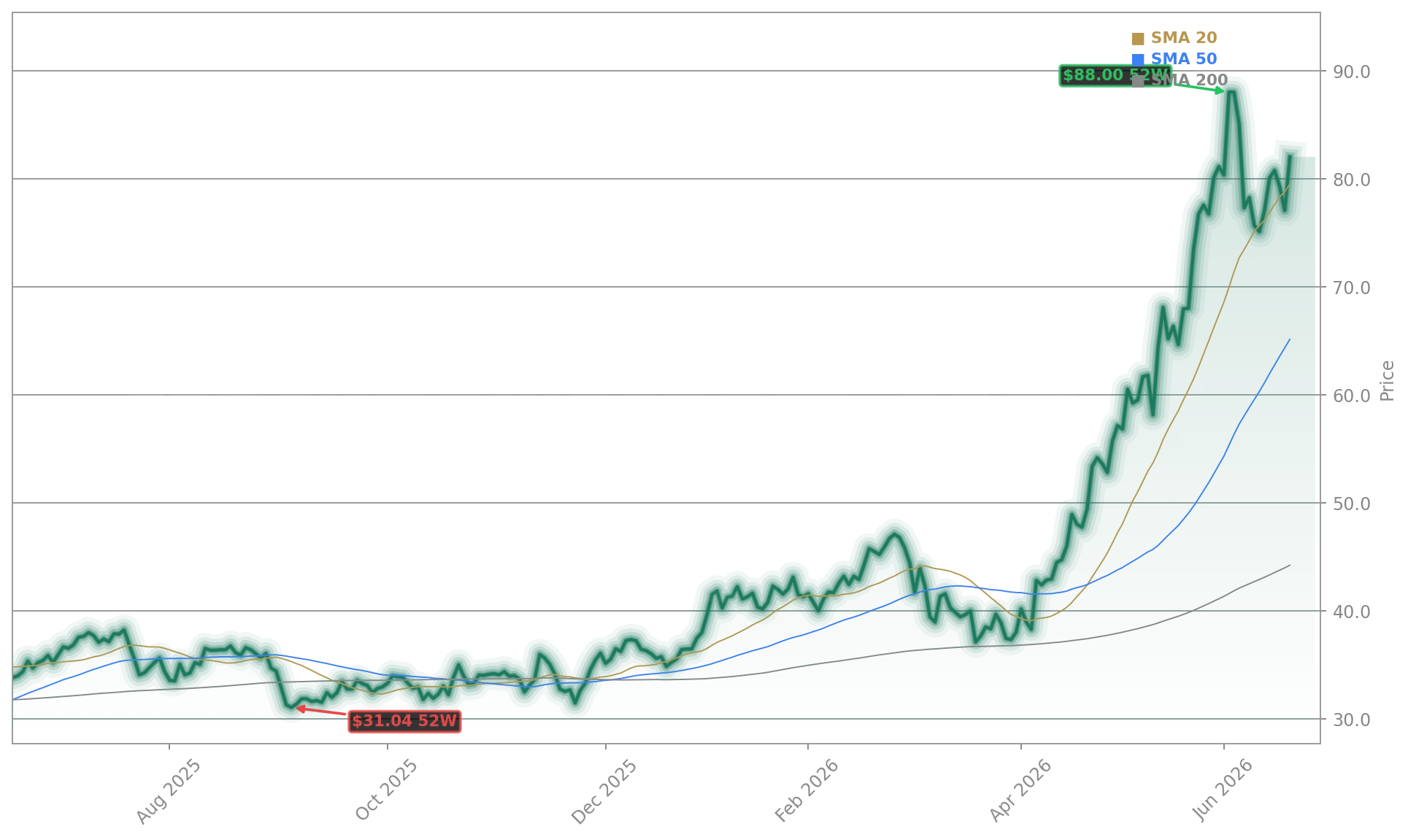
Infineon’s 7.07% after-hours jump — making it the top performer in the DAX — reflects investor confidence in its ability to monetize and defend its GaN IP. That momentum aligns with broader semiconductor strength: BE Semiconductor upgraded its long-term revenue and margin targets amid AI-driven demand, while U.S. policy tailwinds intensified after former President Donald Trump’s Truth Social post spotlighting Apple’s reported agreement with Intel to manufacture chips domestically. For U.S. investors, Infineon’s success strengthens the investment case for power semiconductors — a segment underrepresented in the S&P 500 but essential to decarbonization and digital infrastructure. RBC Capital Markets recently reaffirmed its ‘Outperform’ rating on Infineon, citing ‘increasingly defensible GaN licensing leverage’ and ‘strong traction in EV and server power markets.’ Morgan Stanley analysts raised their 12-month price target to $88, noting ‘the Munich rulings materially reduce IP overhang risk.’
How Does This Affect Competitors and Customers?
The today’s ruling shows the value of our GaN portfolio and underscores our commitment to defending intellectual property and ensuring fair competition.— Johannes Schoiswohl, Senior Vice President and Head of GaN Systems Business Line, Infineon Technologies AG
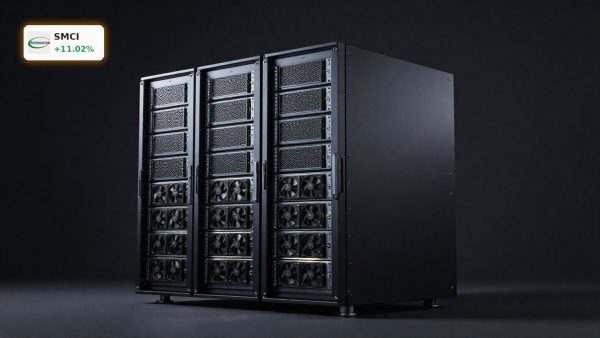
Infineon’s aggressive IP enforcement sets a new benchmark for GaN market discipline — raising barriers for low-cost entrants like Innoscience and potentially accelerating consolidation. Competitors including ON Semiconductor and Wolfspeed face mounting pressure to either license Infineon’s technology or invest heavily in non-infringing alternatives. Meanwhile, customers in the data center and auto sectors — including firms supplying Tesla and Apple — gain greater assurance of supply chain continuity and IP compliance. The ruling also reinforces Infineon’s strategic alignment with U.S. industrial policy goals, as Washington seeks to reduce reliance on Chinese semiconductor manufacturing. With GaN critical to next-gen 48V server power, onboard EV chargers, and fast-charging infrastructure, Infineon’s IP victories translate directly into margin resilience and pricing power — a key differentiator versus broader semiconductor peers trading at lower multiples.