
Can ending the Lululemon Proxy Fight finally give management room to fix slowing growth and win back investor confidence?

Why does the Lululemon Proxy Fight matter?
The settlement removes one of the biggest governance overhangs facing Lululemon Athletica Inc. in 2026. Wilson, the company’s billionaire founder and largest shareholder with roughly 8.7% of stock outstanding, had pushed for significant board changes after criticizing strategy, brand execution, and market-share losses. Under the agreement, two of his nominees, Laura Gentile and Marc Maurer, will join the board, while a third new director with product expertise is expected to be selected by Oct. 1.
In exchange, Wilson agreed to standstill and non-disparagement provisions for about 18 months. That matters because the Lululemon Proxy Fight had become a public distraction at a time when the company is already wrestling with slowing North American demand, fashion risk, and sharper competition from upstarts such as Alo and Vuori.
Can Lululemon refocus on growth now?
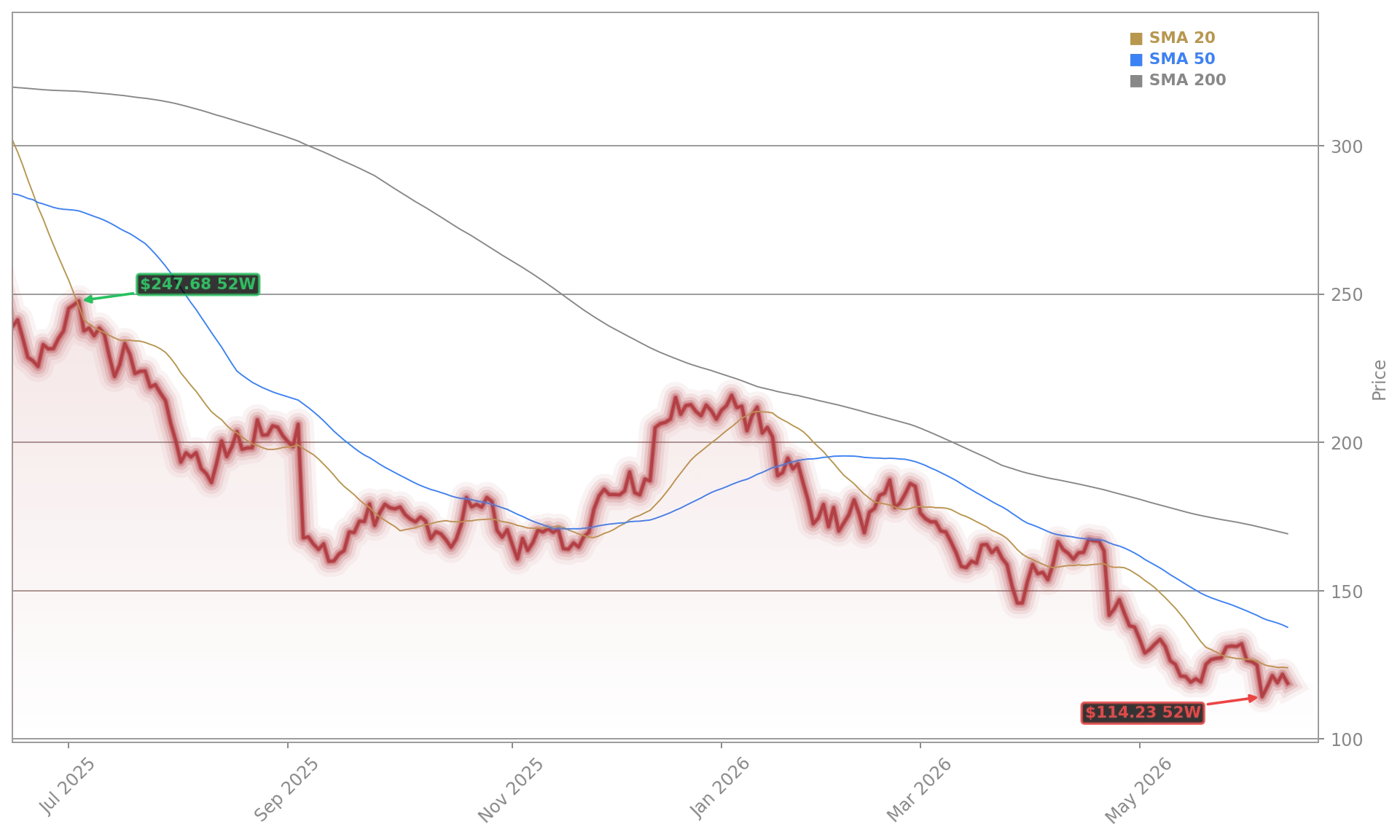
Wall Street’s first reaction was positive. LULU rose to $133.60, up from a previous close of $127.85, as investors bet the truce gives management more room to execute. The stock’s move is notable, but perspective is important: shares remain far below levels seen in 2024, underscoring that the settlement solves a governance issue, not the broader operating challenge.
Executive chair Marti Morfitt said the agreement gives Lululemon a clearer path for O’Neill and the leadership team to reaccelerate growth and strengthen brand health. That message is critical because O’Neill, a longtime Nike executive, was at the center of the dispute. Wilson had openly questioned the board’s direction, including leadership choices, after sales momentum weakened and the company lost some of its once-dominant position in women’s leggings.
The company still faces a difficult turnaround. Recent commentary around the business has highlighted softer traffic in the Americas, modest comparable-sales growth, and pressure on earnings expectations. For investors, the end of the Lululemon Proxy Fight lowers uncertainty, but it does not yet restore confidence in product innovation or demand trends.
How does Lululemon compare on Wall Street?
Lululemon’s pullback has been severe enough to attract value arguments, especially compared with premium consumer brands that still command higher momentum multiples. Yet apparel turnarounds are notoriously hard, particularly when brand heat cools and shoppers rotate quickly. Unlike platform giants such as Apple or category leaders such as NVIDIA, Lululemon must win back relevance season after season through product and merchandising execution.
Analyst sentiment has remained broadly cautious. The available market coverage referenced by Bloomberg points to a mostly neutral stance on the stock. No fresh analyst rating changes from firms such as Citigroup, RBC Capital Markets, Goldman Sachs, or Morgan Stanley were tied to Wednesday’s board settlement, which suggests Wall Street is waiting for operational proof under O’Neill rather than rewarding governance progress alone.
What should investors watch at Lululemon?
The next key milestone is the annual shareholder meeting in June, where the settlement should remove the threat of an escalated vote fight. After that, attention will shift quickly to O’Neill’s onboarding and any signs of a product reset, faster innovation, or improved North American traffic. Investors should also monitor whether the new board mix creates more urgency around merchandising and international execution.
Related Coverage: Investors tracking the management transition can also read our earlier report on Heidi O’Neill’s appointment and the stock’s sharp reaction. That piece explained why Wall Street initially treated the CEO change cautiously and why North American momentum remains the central issue for the brand.
Lululemon now has a clear path forward for our incoming CEO, Heidi O’Neill, and our leadership team, as we continue to advance our strategies to foster strong brand health, reaccelerate growth, and deliver enhanced value for our shareholders.— Marti Morfitt
The bottom line is that the Lululemon Proxy Fight is ending on terms that give both the board and Wilson partial wins. For shareholders, that reduces noise and improves governance visibility, but the real test is still ahead: whether Lululemon can translate a calmer boardroom into stronger products, steadier sales, and a more convincing comeback against rivals including Nike and other premium activewear brands.